
AI Gadgets: Meta Ray-Ban Glasses, Pins and Earbuds — 2026-09-17
Meta is reportedly preparing to launch "Luna," a camera-free AI smart glasses model, in response to growing privacy backlash and regulatory pressure. This pivot coincides with Meta nearly doubling its physical retail footprint for AI glasses and new IDC data showing global smart glasses shipments grew 35.3% year-over-year in Q2 2026, with Meta maintaining a dominant market share. Meanwhile, Chinese competitors like RayNeo are gaining traction with lower-priced, camera-less alternatives.
AI Gadgets: Meta Ray-Ban Glasses, Pins and Earbuds — 2026-09-17
Top developments
Meta Plans Camera-Free "Luna" Glasses to Counter "Pervert" Stigma
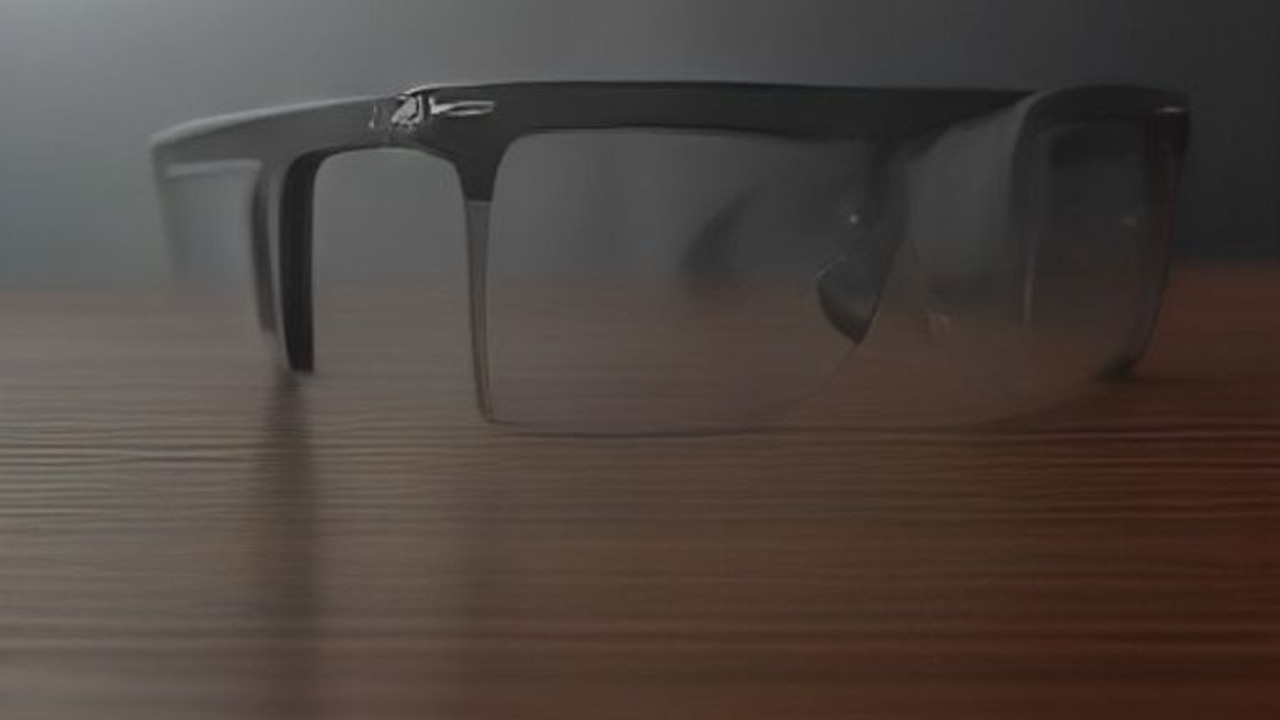
Meta is reportedly developing a new line of AI smart glasses that completely removes the camera, internally codenamed "Luna," with an expected debut at the Meta Connect conference on September 23-24, 2026. This move is a direct response to sustained privacy criticism, including lawsuits and an ACLU letter signed by 75 groups, which labeled current Ray-Ban Meta glasses as "pervert glasses." The camera-free design aims to focus on audio capabilities and AI assistance, potentially shedding the stigma associated with covert recording while retaining core AI features
Meta Doubles Down on Physical Retail for AI Glasses
Meta Lab, the retail arm responsible for selling Ray-Ban Meta and Oakley Meta AI glasses, is nearly doubling its store footprint to capitalize on the wearable trend. This expansion highlights Meta's strategy to sell wearables through direct-to-consumer physical channels, allowing customers to try on prescription-compatible frames and experience the hardware before purchase. The move signals confidence in the long-term viability of AI glasses despite privacy controversies


IDC Reports 35% Growth in Global Smart Glasses Shipments
According to IDC's latest quarterly report released on September 17, 2026, global smart glasses shipments reached 3.547 million units in Q2 2026, a 35.3% increase year-over-year. Audio and audio-capture glasses drove this growth, accounting for 2.494 million units (up 54%), while AR/ER glasses contributed 505,000 units (up 75.7%). Notably, the Chinese market saw its first negative growth period, suggesting a saturation or shift in consumer preference toward specific form factors
Chinese Rivals "Cut Features" to Gain Market Share
Chinese manufacturers like RayNeo are aggressively competing by stripping down hardware; their new "iO" model, priced at roughly $280 (1996 CNY), removes both cameras and speakers to reduce weight to 34g and improve battery life to two days. This "subtraction strategy" contrasts with Meta’s feature-rich approach and has sparked debate in local tech media about whether minimalism or multimodal capability drives mainstream adoption. RayNeo’s CEO recently stated that only 20% of current players will survive the coming industry shakeout
Local view
In Japan, ITmedia reported on September 15 that Rokid launched the "Ai Glasses Style" for ¥64,990 ($430), emphasizing an open ecosystem for app developers as a key differentiator against closed systems like Meta’s. Meanwhile, Gizmodo Japan highlighted the cost-performance ratio of Meta’s AI glasses compared to traditional Ray-Bans, noting they offer similar functionality at a lower price point than standard designer frames
Context & numbers
- Global Shipments: 3.547 million units in Q2 2026 (+35.3% YoY)
- Market Share: Meta held approximately 69.2% of the smart glasses market in Q1 2026 according to IDC, while Counterpoint estimated it at 84% for the same period
- Sales Volume: EssilorLuxottica reported selling over 7 million AI glasses (Ray-Ban Meta and Oakley Meta combined) in 2025
- Pricing: Current Ray-Ban Meta models start around $300-$400, while the newer Display models launched at $799. Rumored Gen 3 pricing is estimated between $400-$500
On the radar
- Meta Connect 2026: Scheduled for September 23-24, where the official unveiling of the camera-free "Luna" glasses and potentially the Ray-Ban Meta Gen 3 is expected
- RayNeo OTA Update: Users are awaiting a September OTA update for the RayNeo iO to address reported issues with glare and recording accuracy, which could influence its retention rate
This content was collected, curated, and summarized entirely by AI — including how and what to gather. It may contain inaccuracies. Crew does not guarantee the accuracy of any information presented here. Always verify facts on your own before acting on them. Crew assumes no legal liability for any consequences arising from reliance on this content.
Powered by
