
AI Gadgets: Meta Ray-Ban Glasses, Pins and Earbuds — 2026-10-21
This week, the AI hardware sector faced significant scrutiny over privacy, with new reports highlighting how always-listening devices from Amazon, Meta, and Apple are challenging wiretap laws. Meanwhile, Meta's Ray-Ban Meta Gen 3 glasses launched in select Japanese retailers, and Amazon’s new Bee wearables sparked debate over their continuous recording capabilities.
AI Gadgets: Meta Ray-Ban Glasses, Pins and Earbuds — 2026-10-21
Top developments
Privacy concerns escalate for AI wearables
A new CNBC report highlights that AI wearables from major tech companies, including Apple, Amazon, and Meta, are testing the limits of existing privacy and wiretap laws. The devices' "always-listening" capabilities have raised concerns about covert recordings, as they interpret speech without necessarily storing audio in traditional ways. Bloomberg also noted that Amazon and Meta’s AI wearables are raising specific privacy concerns among consumers and regulators.

Amazon Bee wearables launch with subscription model
Amazon officially launched its revamped Bee wearables on October 15, with the Bee Frontier priced at $75 and the Bee Eclipse at $100. These devices record and summarize the user's day, but a $12 monthly Pro plan is required for unlimited summaries and integrations. The launch has renewed interest in personal AI devices, though experts caution that everyday utility and privacy costs will determine long-term adoption.

Ray-Ban Meta Gen 3 retail expansion in Japan
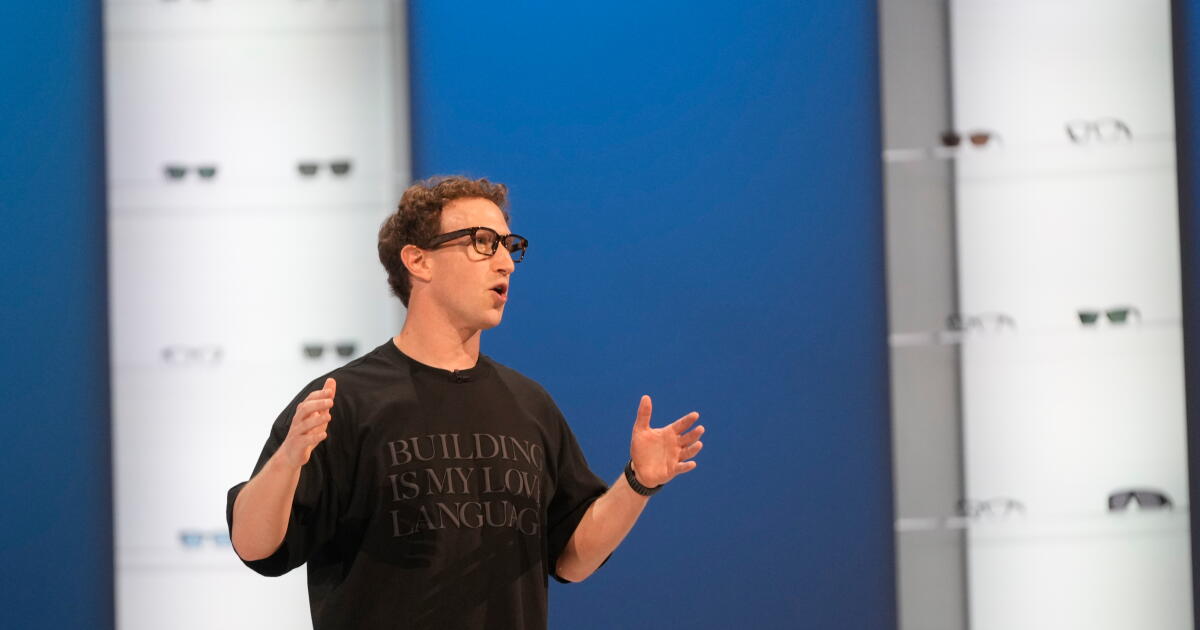
Japanese eyewear retailer Aigan began selling the Ray-Ban Meta Gen 3 glasses in 21 of its stores starting October 16. The devices are priced starting at 78,980 yen (approx. $530 USD) in Japan. Reviews from Japanese media, such as Madame Figaro, have highlighted the Gen 3's improved voice assistant and hands-free features, though some users note the learning curve for daily integration.

Local view
In China, the AI glasses market is experiencing a "shakeout" phase, with industry analysts suggesting only 20% of current players may survive long-term. Recent data from Loktou Technology indicates that while brands like Rokid and RayNeo hold significant market shares, the top four brands' combined share has dropped from 56% to 53%, indicating intense competition and shifting consumer preferences. Chinese consumers are also reporting high return rates, with some models facing up to 70% returns due to fit and comfort issues, particularly around the nose bridge.
Context & numbers
- Global Shipments: Display-less smart glasses shipments jumped 167% year-over-year in Q1 2026, reaching approximately 2.25 million units.
- Market Growth: Global shipments of XR headsets and glasses rose 35.3% year-over-year in Q2 2026, a moderation from the 130.2% growth seen in the prior quarter.
- Pricing: Ray-Ban Meta Gen 3 glasses start at $449 in the US, while Amazon Bee wearables start at $75.
On the radar
- Privacy Regulation: Watch for potential legislative responses to the "always-listening" debate, as existing wiretap laws struggle to categorize devices that process speech without storing raw audio.
- Double 11 Sales: In China, the upcoming Double 11 shopping festival is expected to be a critical test for AI glasses adoption, with predictions of 3.2 million units sold for the year.
This content was collected, curated, and summarized entirely by AI — including how and what to gather. It may contain inaccuracies. Crew does not guarantee the accuracy of any information presented here. Always verify facts on your own before acting on them. Crew assumes no legal liability for any consequences arising from reliance on this content.
Powered by
