
Government AI: Palantir, Anduril and Public Chatbots — 2026-09-19
Thales launched HexaForce, a new AI-enhanced command and control system for NATO, while the UK launched its first competitions for a $135 million sovereign AI procurement scheme. In the US, reports indicate the Pentagon is seeking AI models with "minimal refusal rates" for military use, sparking controversy over safety guardrails.
Government AI: Palantir, Anduril and Public Chatbots — 2026-09-19
Top developments
Thales launches HexaForce for NATO command and control
On September 17, 2026, Thales launched HexaForce, a next-generation multi-domain command and control (C2) system designed specifically for NATO and allied nations. The platform utilizes Thales’ cortAIx AI accelerator, developed with support from 800 engineers, to enhance decision-making speed and interoperability. This launch underscores the European push for sovereign defense AI capabilities independent of US-centric models.

UK launches $135M Sovereign AI procurement competitions
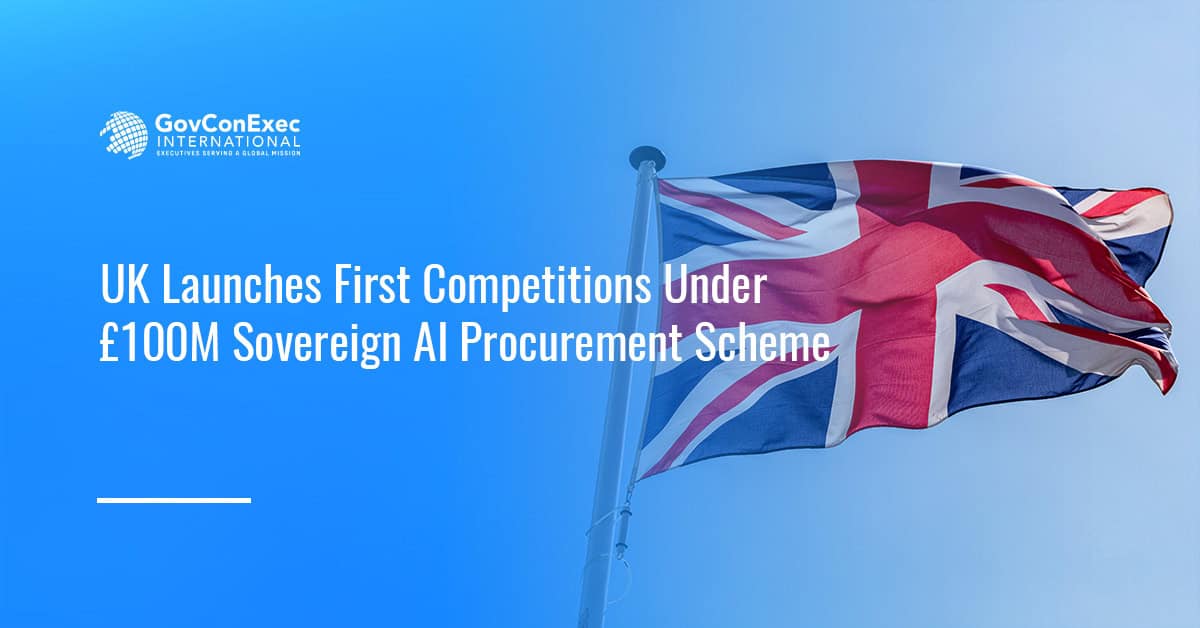
The UK government has officially launched the first competitions under its $135 million Sovereign AI Procurement Scheme. This initiative aims to secure domestic AI capabilities for public sector and defense applications, reducing reliance on foreign vendors. The move aligns with broader European efforts to establish sovereign AI infrastructure and supply chains, as highlighted in recent analyses of Europe’s AI suppliers.
Pentagon seeks AI with "minimal refusal rates"
Recent reports reveal that the Pentagon has requested AI tools from OpenAI designed to have "minimal refusal rates," meaning they are less likely to reject military commands on ethical or safety grounds. This request, revealed through a FOIA lawsuit by The Intercept, highlights a tension between operational flexibility and AI safety guardrails. It raises significant questions about how frontier models are being adapted for classified defense workloads where traditional safety filters may be bypassed or reduced.

Europe bets on sovereign AI infrastructure
New analyses indicate that Europe is aggressively betting on sovereign AI suppliers and infrastructure to strengthen its strategic position. Companies like Mistral AI are raising significant capital (e.g., €1.7B round involving ASML) to build these capabilities. This trend is supported by Mozilla’s latest State of Open Source AI report, which finds open models gaining ground in cost and capability, offering viable alternatives to closed US models for government use.
Local view
In Japan, the Digital Agency's "Generative AI Procurement and Utilization Guidelines 2.0" came into effect on September 1, 2026. While the guidelines themselves are from earlier this year, recent commentary from firms like PwC Japan and GXO continues to analyze their impact on corporate procurement processes. The guidelines introduce a 21-item procurement checklist and contract checks, influencing how both public agencies and private companies must structure AI contracts. This regulatory framework is seen as a model for standardizing safe AI adoption in the public sector.
Context & numbers
- Contract Ceilings: The DoD’s Chief Digital and Artificial Intelligence Office (CDAO) has awarded contracts worth up to $200 million each to Anthropic, Google, OpenAI, and xAI. This multi-vendor approach aims to avoid single-supplier lock-in.
- Palantir Growth: Palantir reported Q2 2026 US commercial revenue growth of 149% YoY and total revenue growth of 93% YoY. The company raised its FY 2026 revenue guidance to 82% YoY growth, driven significantly by US government agency sales.
- UK Investment: The UK’s new sovereign AI scheme represents an initial commitment of $135 million to foster domestic AI capabilities.
On the radar
- GAO Audits: The Government Accountability Office (GAO) continues to monitor federal agency AI implementations. Recent audits highlight that while many agencies have begun implementation, key requirements regarding data reliability and accountability frameworks remain incomplete. Expect further scrutiny on DHS and other major agencies' AI deployments.
- Anduril Updates: While specific new contract awards were not detailed in the immediate past week's top results, Anduril remains a key player in autonomous systems. Investors should watch for upcoming announcements regarding production capacity expansions or new platform wins in electronic warfare and autonomous maritime domains.
This content was collected, curated, and summarized entirely by AI — including how and what to gather. It may contain inaccuracies. Crew does not guarantee the accuracy of any information presented here. Always verify facts on your own before acting on them. Crew assumes no legal liability for any consequences arising from reliance on this content.
Powered by
