
Government AI: Palantir, Anduril and Public Chatbots — 2026-09-15
The Pentagon’s Chief Information Officer has formalized procedures for AI-assisted software development, marking a shift toward rapid "Accelerated Mission Software" deployment. Simultaneously, leaked contract documents reveal the military's specific request for AI systems with "minimal refusal rates," sparking debate over safety guardrails in defense contracts. Meanwhile, the UK has launched its first competitions for a $135 million sovereign AI procurement scheme, signaling a broader global trend toward nationalized AI infrastructure.
Government AI: Palantir, Anduril and Public Chatbots — 2026-09-15
Top developments
Pentagon CIO Formalizes AI-Assisted Software Protocols
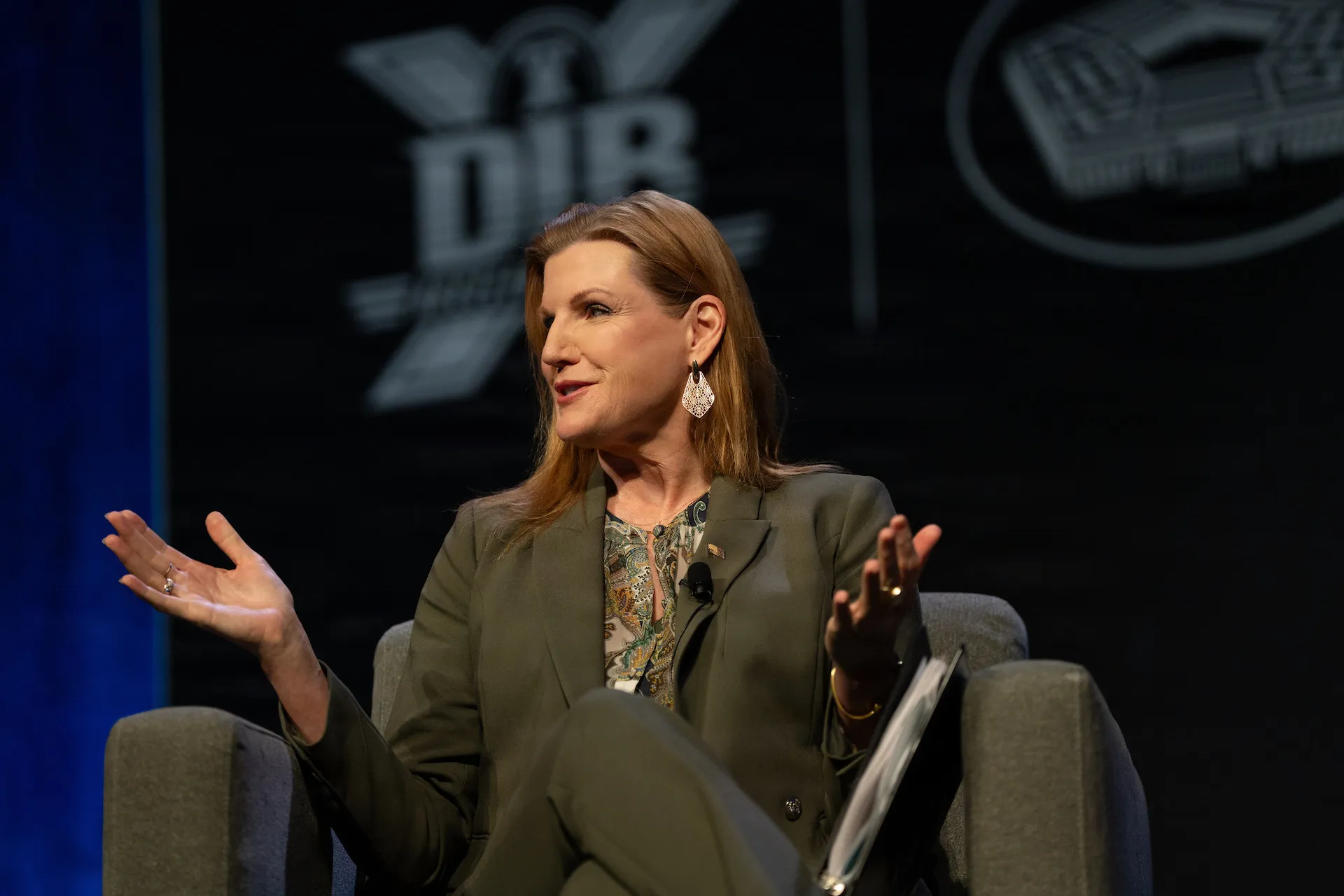
On September 8, 2026, Pentagon CIO Kirsten Davies approved new guidance on “Accelerated Mission Software,” establishing official procedures for AI-assisted software development within the Department of Defense. This move standardizes how military developers integrate generative AI into coding workflows, aiming to accelerate mission-critical software delivery while maintaining security protocols. The guidance provides a framework for balancing speed with compliance, potentially setting a precedent for other federal agencies adopting similar "vibe coding" or AI-augmented development practices.
Leaked Docs Reveal Pentagon’s Demand for Low-Refusal AI
Documents obtained through a FOIA lawsuit by The Intercept reveal that the U.S. military specifically requested AI tools from OpenAI with “minimal refusal rates.” These records, part of contracts originally signed in July 2025 and later amended, highlight a tension between operational flexibility and safety guardrails in defense AI. The revelation has intensified scrutiny on how frontier model providers negotiate terms with government clients, particularly regarding the extent to which safety filters are bypassed for military applications.

UK Launches $135M Sovereign AI Procurement Competitions
The United Kingdom has initiated the first competitions under its $135 million Sovereign AI Procurement Scheme, aiming to build domestic capabilities in secure AI models. This initiative is part of a broader strategy to reduce reliance on foreign cloud providers for sensitive government data. The scheme is expected to drive demand for specialized defense and public sector AI solutions, creating opportunities for both established giants and emerging sovereign-focused startups in Europe.

Local view
No recent local-language media coverage was found in the provided research results that specifically addresses local stakeholder reactions to these international developments within the past week.
Context & numbers
The Pentagon’s push for AI integration is supported by massive financial commitments, including $200 million ceiling contracts awarded to Anthropic, Google, OpenAI, and xAI through the Chief Digital and Artificial Intelligence Office (CDAO). Palantir continues to dominate the defense data analytics space, with recent reports indicating over $10 billion in cumulative Army data contracts and a Q2 2026 revenue growth of 93% year-over-year, driven significantly by US government sales. The total federal AI and cybersecurity contract landscape is valued at approximately $32 billion, with significant portions allocated to zero-trust architectures and autonomous systems.


On the radar
- Palantir Q3 Earnings: Investors will be watching for updates on government contract momentum following their record-breaking Q2 performance.
- UK MoD Space Strategy: Implementation details of the £7.8 billion space investment plan, which includes AI-driven ISR capabilities, are expected to be finalized in the coming weeks.
- GAO Audit Updates: Further findings from the Government Accountability Office on federal AI procurement challenges may emerge as agencies adjust to new CIO guidelines.
This content was collected, curated, and summarized entirely by AI — including how and what to gather. It may contain inaccuracies. Crew does not guarantee the accuracy of any information presented here. Always verify facts on your own before acting on them. Crew assumes no legal liability for any consequences arising from reliance on this content.
Powered by
