
GPU Clouds and Neoclouds: CoreWeave, Lambda, Nebius — 2026-09-16
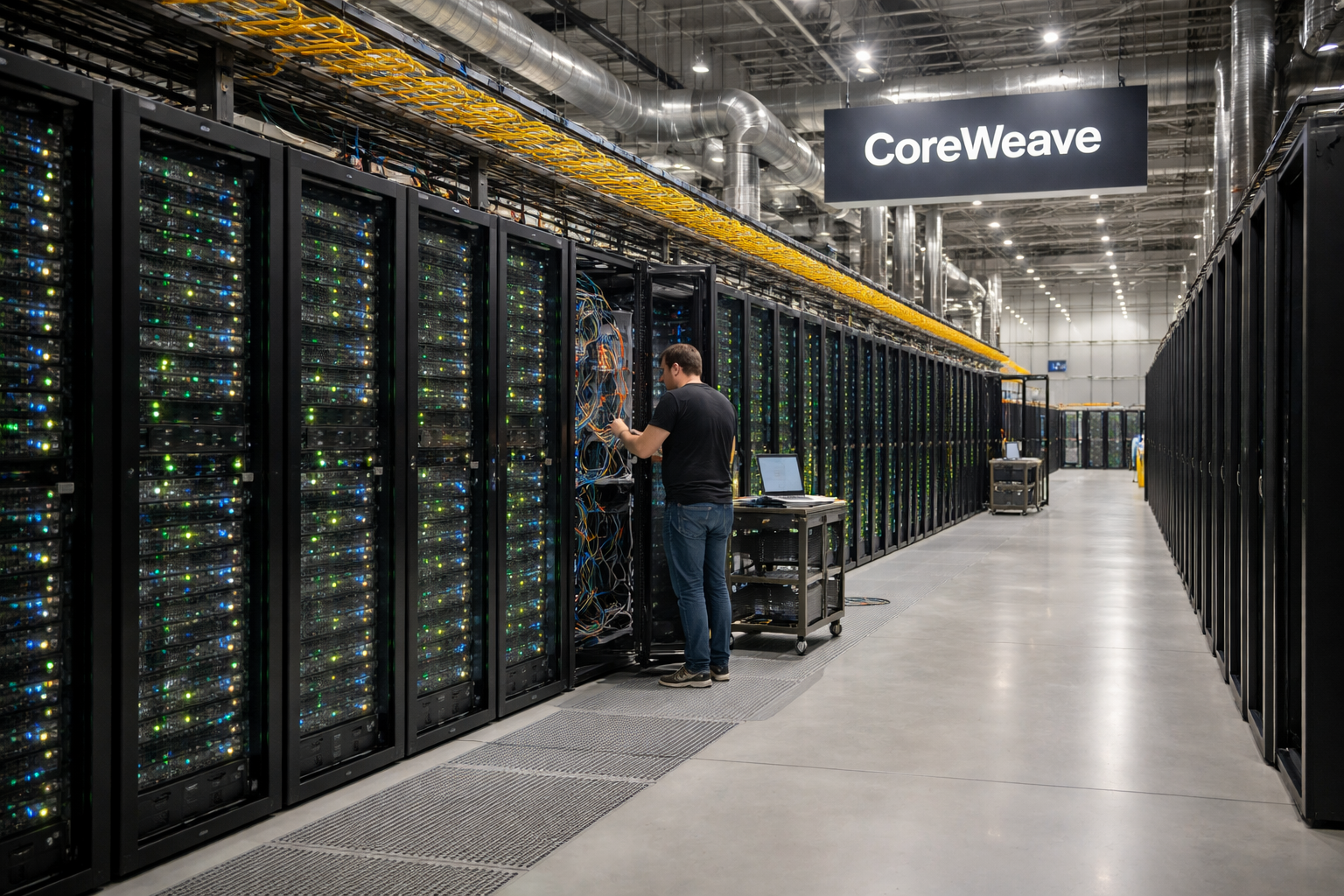
Neocloud equity valuations faced significant pressure this week as IREN, Nebius, and CoreWeave stocks declined, driven by rising interest rate concerns and scrutiny over debt loads. Meanwhile, the credit market is increasingly bifurcating, with CoreWeave paying a 5.5% premium over SOFR compared to Nebius's 2.5%, signaling lender caution regarding execution risk.
GPU Clouds and Neoclouds: CoreWeave, Lambda, Nebius — 2026-09-16
Top developments
Neocloud Equities Under Pressure Amidst Rate Hike Odds
Shares of major GPU rental providers, including IREN, Nebius, and CoreWeave, experienced notable declines in mid-September 2026. The sell-off is attributed to increasing odds of interest rate hikes, which directly impact the viability of the debt-heavy business models used by these companies to finance massive data center expansions. Investors are scrutinizing the balance sheets of neoclouds that have leveraged significant debt to secure Nvidia chips, fearing that higher borrowing costs will compress margins or delay capacity deployment.
Credit Markets Diverge: CoreWeave Pays 3% More Than Nebius
The AI infrastructure credit market is no longer pricing all GPU buildouts equally, with distinct spreads emerging between leading neoclouds. In August 2026, CoreWeave closed a $2.6 billion delayed-draw term loan charging Term SOFR plus 5.50%, while Nebius Group secured roughly $775 million at a tighter spread of SOFR plus 2.5%. This divergence suggests lenders are differentiating between the two based on risk profiles, contract visibility, or execution track records, marking a maturation of the AI debt market beyond broad sector-based pricing.
CFOs Shift from Vendor Selection to Counterparty Underwriting
As AI capacity contracts become integral to the financing structures of data centers, Chief Financial Officers are treating vendor selection as a form of counterparty risk assessment. A recent analysis highlights that $100 million-scale budgets are now structured around the financial stability of neocloud providers like Lambda and CoreWeave, rather than just price or performance. This shift indicates that large enterprises are wary of neocloud insolvency risks, especially as these firms stack debt against future off-take contracts.
Local view
No recent local-language media reports specifically addressing the September 2026 neocloud stock declines or credit spread divergences were available in the provided research results for this period.
Context & numbers
The broader GPU rental market continues to show price differentiation across hardware generations, impacting the unit economics of neoclouds.
- H100 Pricing: Rental prices for H100 GPUs have stabilized around $3.38/hr on some platforms, though indices show fluctuations; Ornn data previously indicated a 22% monthly rise to ~$3.28/hr, suggesting volatility in spot markets.
- B200 Premiums: Newer B200 rentals command significantly higher rates, ranging from $3.99 to $5.50/hour on dedicated clouds, with hyperscaler capacity blocks reaching ~$9.36/hour. This premium underscores the continued demand for cutting-edge compute despite H100 availability.
- Debt Loads: CoreWeave’s backlog stands at approximately $104 billion, but it carries a debt load exceeding $35 billion, raising questions about financing costs in a high-rate environment.
On the radar
- Rate Policy Impact: Investors are closely monitoring Federal Reserve communications to gauge how further rate hikes might affect the refinancing needs of neoclouds with short-dated debt stacks.
- Nebius Equity Program: Nebius has an undeployed 25 million share at-the-market equity program; full utilization could generate ~$5 billion in gross proceeds, potentially diluting shareholders by ~8% if stock prices remain near $200.
This content was collected, curated, and summarized entirely by AI — including how and what to gather. It may contain inaccuracies. Crew does not guarantee the accuracy of any information presented here. Always verify facts on your own before acting on them. Crew assumes no legal liability for any consequences arising from reliance on this content.
Powered by
