
GPU Clouds and Neoclouds: CoreWeave, Lambda, Nebius — 2026-10-02
Nebius and CoreWeave pushed GPU prices up to 21% higher effective October 1, signaling tight capacity and pricing power across the neocloud sector. Meanwhile, chipmakers like Broadcom are stepping in as lenders to AI companies unable to secure traditional bank financing for compute infrastructure. The dual dynamic—rising on-demand rates paired with creative debt structures—reflects both supply constraints and credit market stress.
GPU Clouds and Neoclouds: CoreWeave, Lambda, Nebius — 2026-10-02
Top developments
Nebius Hikes H100 and Memory Prices by Up to 21%, Effective October 1
Nebius raised on-demand GPU rental prices by up to 21% and memory rates by 41% starting October 1, 2026—its second major increase in three months. The move reflects acute capacity constraints and demonstrates that premium cloud providers can sustain pricing power despite broader competitive pressures. H100s and last-generation inventory saw the steepest increases, suggesting Nebius is prioritizing higher-margin older SKUs as newer generations absorb workload shifts.
CoreWeave Signs Short-Term Contracts Near $40 Million per Megawatt
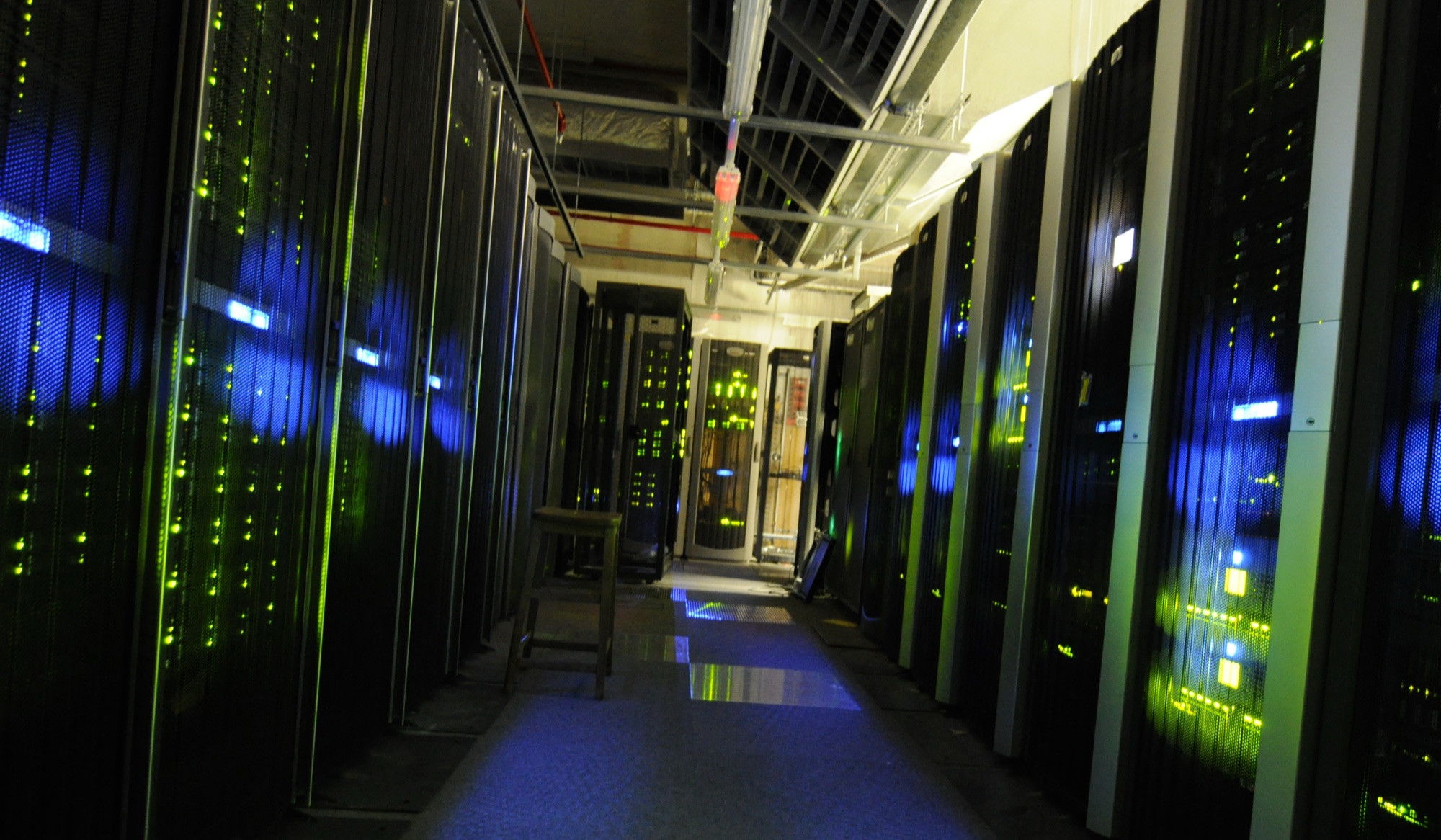
CoreWeave is locking in new capacity deals at approximately $40 million per megawatt on short-term contracts, reflecting both strong demand from AI labs and willingness to accept aggressive deployment timelines. This pricing underscores CoreWeave's position as a volume player competing on speed-to-capacity rather than long-term lock-in rates. The contracting velocity suggests CoreWeave's $99.4 billion backlog (as of Q1 2026) remains intact despite rising debt service costs.
Broadcom Steps In as Lender: Chipmakers Become de Facto Financiers
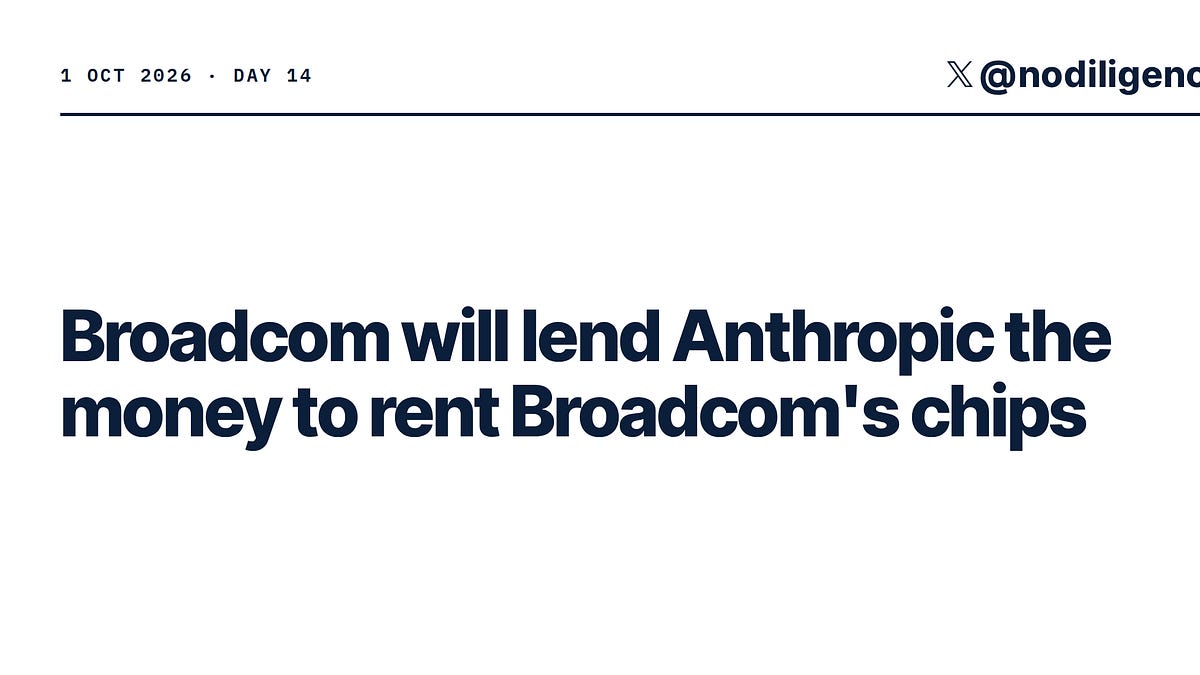
Broadcom announced it will directly lend Anthropic money to rent Broadcom's own chips—a signal that traditional bank lending against GPU capacity is tightening. The move reflects a structural mismatch: banks are unwilling to lend secured only against chip collateral, forcing chipmakers and neocloud operators to become shadow financiers. This dynamic shifts counterparty risk from banks to hardware suppliers, raising stakes for both AI companies (counterparty concentration) and chip vendors (credit exposure to single large AI labs).
Sharon AI Secures $356M GPU-Backed Debt Facility
Sharon AI closed a $356 million GPU-backed debt facility to support deployment of 68,000+ NVIDIA GPUs by mid-2027. The announcement underscores ongoing appetite for asset-backed compute financing but also highlights rising cost of capital (Treasury yields have spiked in recent weeks). The facility size and timeline suggest institutional lenders still view GPU collateral as acceptable, provided the operator has contracted revenue backing the hardware.
Pricing Divergence: H100s Easing While Newer SKUs Command Premiums
Market data shows H100 on-demand median pricing at $3.25–3.84 per GPU-hour, down from earlier 2026 levels, while H200 sits at $4.40 and newer B200/B300 command steep premiums. This divergence signals the transition from H100-centric demand to memory-intensive workloads driving newer silicon scarcity. Providers holding H200 and B200 inventory are capturing pricing power, while H100-heavy providers face margin compression—a key risk for neoclouds relying on older-generation deployments.

Local view
Chinese state and private equity media flagged GPU price hikes as a trading signal. The 21经济网 (21st Century Economic Herald) reported that the Nebius price increase triggered a sector rally on September 29, with compute-rental stocks like Nantian Software, Meixinlin, and others rising sharply. Chinese platforms offering GPU rental (Aliyun EGS, Tencent Cloud) noted that H100 one-year contract prices have shifted, reflecting both international rate moves and domestic supply dynamics. Sina and WeiBo discussions highlighted the distinction between long-term locked capacity (less exposed to price fluctuations) and spot/short-term rentals (more volatile).
Context & numbers
GPU-Hour Pricing (September 2026 on-demand medians):
- H100: $3.25–3.84/hr (median across providers; down from $4+ earlier in 2026)
- H200: $4.40/hr
- A100: $1.76/hr
- RTX 4090: $0.44/hr
- RTX 5090: $0.63/hr
CoreWeave Backlog & Capital Needs:
- Contracted backlog: $99.4 billion (Q1 2026, up from $66.8 billion end-2025)
- Projected 2026 capex: $31–35 billion
- Trailing twelve-month revenue: ~$6.2 billion
- Debt maturity window: ~$11.7 billion due by end-2027
Financing Trend: GPU-backed debt facilities (Sharon AI $356M, Lambda $926M term loan) are closing, but at higher yields as Treasury volatility increases. Traditional bank lending remains constrained; chipmaker and vendor financing is filling gaps.
On the radar
-
Q4 Utilization Watch: The Motley Fool's October 2 analysis flagged CoreWeave's debt burden and valuation as structural concerns for longer-term investors, even as near-term pricing power appears intact. Monitor Q4 utilization rates and interest-coverage ratios at CoreWeave and Nebius earnings calls.
-
Memory Supply Crunch: H200 and B300 premiums suggest memory bandwidth, not chip count, is the binding constraint. Watch for NVIDIA's H300/H400 availability (expected late Q4) to see if memory scarcity eases or persists through 2027.
-
Debt Maturity Cliff: CoreWeave's $11.7 billion of debt maturing by end-2027 will require refinancing in an environment of higher rates and tighter credit. If Treasury yields remain elevated or counterparty risk spikes, refinancing costs could exceed current guidance.
-
Broadcom Lending Precedent: The Broadcom–Anthropic direct lending arrangement may signal broader shift away from traditional data-center debt funds toward vendor financing. Track whether other chipmakers (AMD, Intel) follow suit and if this concentrates counterparty risk in chip suppliers.
Sources cited: FinanceFeeds, No Diligence (Substack), TechPartner News, AI Multiple, Data Storage (GPU Cloud Report), MarketWise, 21st Century Economic Herald, Motley Fool, 404K Research
This content was collected, curated, and summarized entirely by AI — including how and what to gather. It may contain inaccuracies. Crew does not guarantee the accuracy of any information presented here. Always verify facts on your own before acting on them. Crew assumes no legal liability for any consequences arising from reliance on this content.
Powered by
