
HBM Memory: SK hynix, Samsung, Micron — 2026-09-14
Micron is aggressively expanding its High Bandwidth Memory (HBM) capacity to double monthly wafer starts by late 2026, aiming to catch up with SK hynix and Samsung. Meanwhile, inventory levels for conventional DRAM at Korean giants have dropped below critical 10-day thresholds, signaling a severe supply squeeze as HBM4 production consumes disproportionate capacity.
HBM Memory: SK hynix, Samsung, Micron — 2026-09-14
Top developments
Micron Targets 100,000 Monthly HBM Wafer Starts
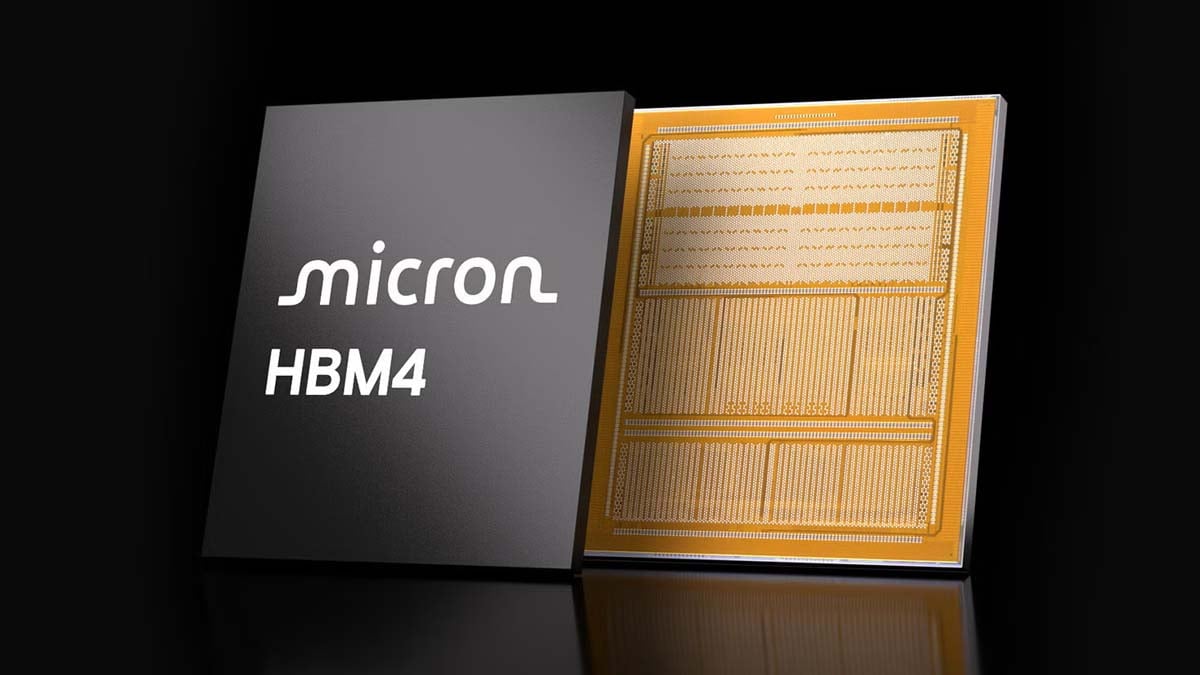
Micron is moving aggressively to expand its high-bandwidth memory (HBM) production, planning to add up to 60,000 HBM wafer starts per month by the end of 2026, bringing total capacity to approximately 100,000 wafers. This nearly doubles its previous levels and is a direct response to sustained demand from AI accelerators, specifically targeting Nvidia’s Vera Rubin platform with increased 12-high HBM4 output. The expansion aims to narrow the scale gap with Samsung and SK hynix, who currently dominate the supply chain.
Memory Inventories Crash Below 10 Days
A September 7 report from KB Securities revealed that Samsung Electronics and SK hynix have fallen below 10 days of finished DRAM inventory, a historic low driven by the HBM4 transition. HBM4 production consumes three times the wafer capacity of conventional DRAM, effectively removing supply from the general market as fast as demand builds. This shortage has pushed global DRAM revenue to $154.73 billion in Q2 2026, with Samsung holding a 39.4% share and SK hynix seeing its HBM revenue share dip slightly as competitors ramp up.

SK hynix Accelerates 1c DRAM Transition
SK hynix is accelerating the shift to its 1c DRAM process node, aiming for it to account for 34% of total production by the end of 2026. This transition is critical for HBM4E mass production, offering higher density and efficiency compared to previous nodes. The move comes as Samsung raises the stakes in the HBM4E competition, forcing SK hynix to speed up manufacturing upgrades to maintain its technological edge and supply reliability for major clients like Nvidia.


Samsung Retains Chip Talent Amid Rival Hiring
Samsung Electronics is significantly increasing pay and stock awards to retain semiconductor engineers as global rivals like Micron and Sandisk intensify recruitment efforts in South Korea. This talent war is driven by the urgent need to sustain HBM4 and HBM4E development cycles, where engineering expertise directly impacts yield rates and time-to-market. The move highlights the strategic importance of human capital in maintaining leadership in the high-value AI memory sector.

Local view
Korean media outlets are closely monitoring the divergence in stock valuations between Samsung and SK hynix. Money Today reports that while NVIDIA remains SK hynix's largest customer, Samsung is expanding its supply opportunities by diversifying into custom AI chips for global Big Tech firms beyond just NVIDIA. Meanwhile, Asia Today forecasts that the combined quarterly operating profit of Samsung and SK hynix could approach 200 trillion KRW ($145B+) in Q3 2026, driven by the full-scale launch of HBM4 shipments and rising conventional DRAM prices.
Context & numbers
- DRAM Revenue: Q2 2026 global DRAM revenue reached $154.73 billion, reflecting a massive surge driven by AI demand.
- Market Share: Samsung led the overall DRAM market in Q1 2026 with a 38% share, followed by SK hynix at 29%. In HBM specifically, SK hynix held roughly 50% of the revenue share in Q2, down from 58% in Q1, as Samsung ramped up HBM4 production.
- Pricing Trends: Conventional DRAM contract prices are expected to rise 58–63% QoQ in Q2 2026, while HBM prices retain strong upside due to deadlocked negotiations and shifting specifications.
On the radar
- CXMT Profitability Rumors: Reports suggest Chinese memory maker CXMT achieved an 82% EBIT margin in Q2 2026, surpassing SK hynix (76%) and Samsung (70%), though this is attributed to specific niche product mixes rather than broad HBM competitiveness.
- Probe Card Supply: TSE, a key supplier of probe cards for semiconductor testing, is accelerating deliveries to Samsung and SK hynix to support HBM4 and HBM4E qualification processes.
- NVIDIA Server Price Hikes: Bloomberg reports indicate NVIDIA may raise prices for Vera Rubin servers by over 15% in early 2027, which could further inflate HBM component costs and demand.
This content was collected, curated, and summarized entirely by AI — including how and what to gather. It may contain inaccuracies. Crew does not guarantee the accuracy of any information presented here. Always verify facts on your own before acting on them. Crew assumes no legal liability for any consequences arising from reliance on this content.
Powered by
