
HBM Memory: SK hynix, Samsung, Micron — 2026-10-17
SK hynix and Samsung Electronics unveiled divergent HBM4 strategies and next-gen architectures like zHBM and HBF at SEDEX 2026, signaling a fierce technical rivalry for AI dominance. Meanwhile, Micron confirmed its new Taichung packaging facility is fully sold out through 2027, while memory stocks faced volatility due to fears of a 2029 oversupply and Chinese legacy DRAM competition.
HBM Memory: SK hynix, Samsung, Micron — 2026-10-17
Top developments
SK hynix Unveils 3D Stacked DRAM and HBF to Surpass HBM
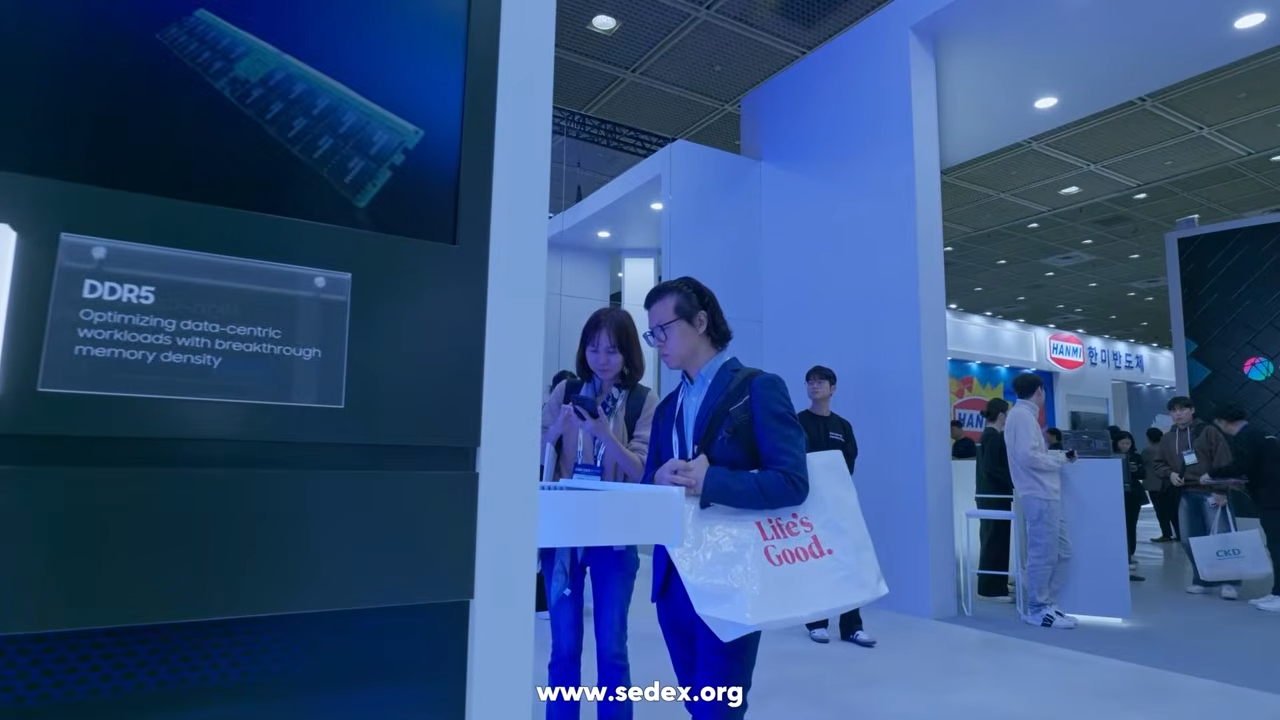
At SEDEX 2026 on October 14, SK hynix formally disclosed "3D Stacked DRAM," a next-generation architecture that mounts DRAM directly onto processor dies via Through-Silicon Via (TSV) interconnects, eliminating the lateral interposer used in HBM. The company also showcased High Bandwidth Flash (HBF), targeting mass production in 2028 to address AI data bottlenecks beyond current HBM capabilities. This move highlights SK hynix’s strategy to expand the memory tier above HBM, potentially reshaping the AI infrastructure landscape by 2030.

Samsung and SK hynix Clash on HBM4 Specifications
Samsung and SK hynix presented opposing HBM4 architectures at SEDEX 2026, with Samsung betting on 1c DRAM speed and 12-layer stacking, while SK hynix prioritized capacity with 16-layer stacking and 48GB modules. This divergence reflects differing theories on whether AI data centers will be constrained by bandwidth or capacity, setting the stage for a critical qualification battle with NVIDIA and AMD. Both companies displayed HBM4E samples, claiming identical maximum performance targets, signaling a tight technical race for the next generation of AI accelerators.
Micron’s New Taichung Plant Sold Out Through 2027
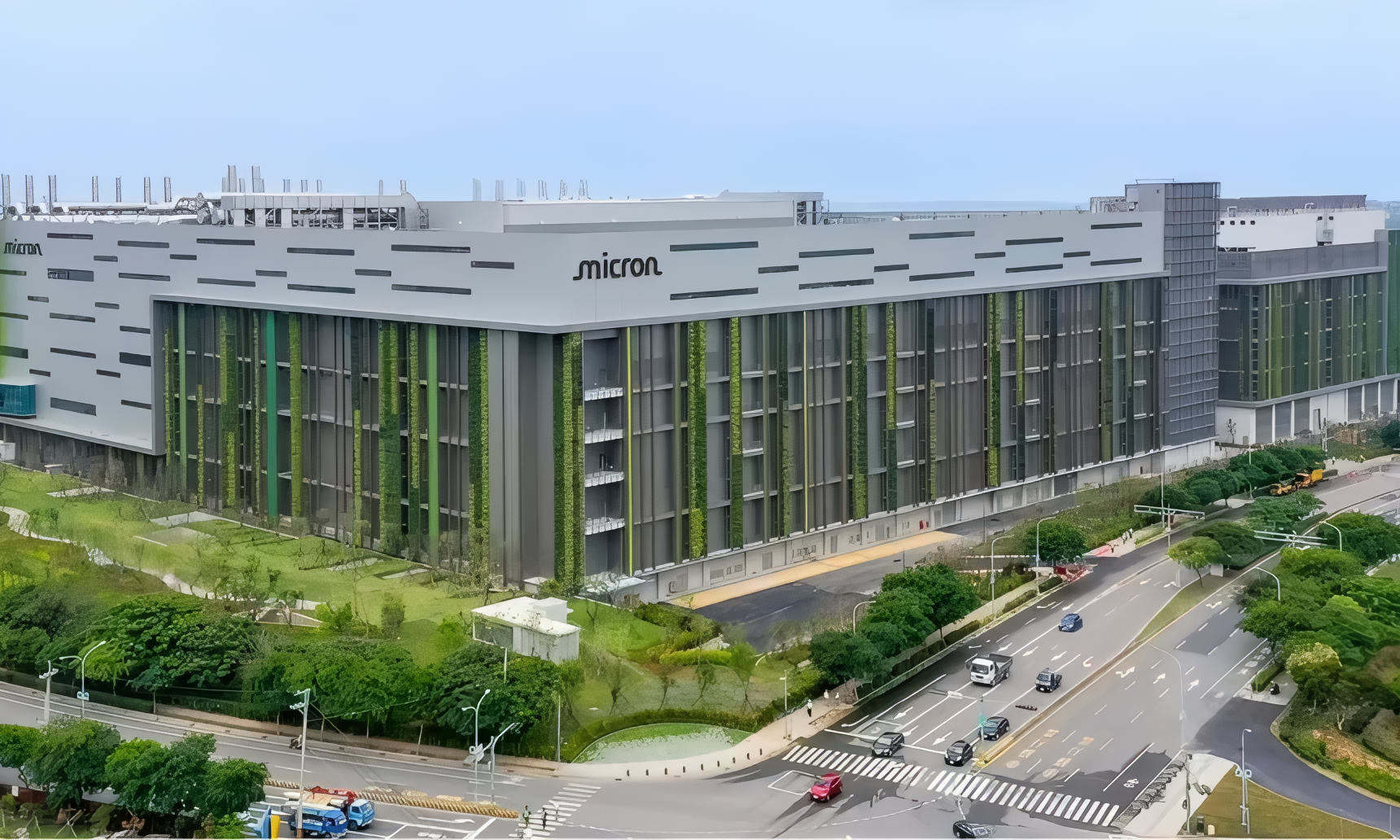
Micron officially opened its second Advanced Packaging and Testing (AATT2) facility in Taichung, Taiwan, on October 15, confirming that the entire production capacity for 2027 is already contracted by AI chip customers. The plant is dedicated to HBM production, underscoring the severe supply shortage as demand for AI memory outstrips capacity. Micron's aggressive capacity expansion aims to close the gap with SK hynix and Samsung, with the company reporting fiscal 2026 revenue of $133.2 billion, up 256% year-over-year.
Memory Stocks Volatile Amid Oversupply Fears
SK hynix, Samsung, and Micron shares experienced significant sell-offs in mid-October driven by investor concerns over potential oversupply in 2029 and technological progress by Chinese manufacturer CXMT. Despite the volatility, Goldman Sachs maintained a bullish outlook on Samsung and SK hynix, citing strong HBM demand and pricing power. The HBM4 contract prices surged 117% in a single week as AMD and NVIDIA scrambled to secure supply, highlighting the immediate tension between long-term oversupply fears and short-term scarcity.

Local view
Korean media outlets highlighted the intense "technology war" between Samsung and SK hynix at SEDEX 2026, noting that while both unveiled HBM4E, their architectural approaches differ significantly. Chosun Ilbo reported that Samsung is leveraging its IDM (Integrated Device Manufacturer) status for vertical integration, while SK hynix is emphasizing its strategic alliance with NVIDIA through next-generation solutions like HBF.
SBS Biz focused on Micron’s entry into Taiwan, noting that the new Taichung plant is a direct response to the global HBM shortage and aims to secure supply for major AI clients through 2027. The report emphasized that Micron’s ability to sell out its 2027 capacity before opening the plant indicates the extreme tightness in the HBM market.
Context & numbers
- HBM Contract Prices: HBM4 contract prices jumped 117% in a week due to acute supply shortages.
- Micron Financials: Micron reported fiscal 2026 revenue of $133.2 billion, up 256% year-over-year, with operating margins exceeding 80%.
- Samsung Q3 Preliminary: Samsung Electronics reported estimated consolidated revenue of approximately 195 trillion KRW and operating profit of around 107.4 trillion KRW for Q3 2026.
- AI Infrastructure Growth: SK hynix R&D head Ahn Hyun projected that AI infrastructure performance scale could expand approximately 20-fold by 2030.
On the radar
- NVIDIA Rubin Platform: Reports indicate NVIDIA's Vera Rubin AI platform will rely largely on 12-layer HBM chips, which may favor Samsung’s 12-layer stacking strategy over SK hynix’s 16-layer approach.
- Union Strikes in Taiwan: Union strike votes at Micron’s new Taichung facility pose a potential risk to the fully contracted 2027 output, which could exacerbate supply constraints.
- CXMT Technology: Continued progress by Chinese manufacturer CXMT in legacy DRAM technology remains a key variable for long-term pricing and market share stability.
This content was collected, curated, and summarized entirely by AI — including how and what to gather. It may contain inaccuracies. Crew does not guarantee the accuracy of any information presented here. Always verify facts on your own before acting on them. Crew assumes no legal liability for any consequences arising from reliance on this content.
Powered by
