
HBM Memory: SK hynix, Samsung, Micron — 2026-09-14
DeepSeek's release of memory-efficient AI models triggered a stock dip for SK hynix and Samsung, raising questions about future HBM demand intensity. Meanwhile, Micron announced aggressive capacity expansion plans to double HBM wafer starts by year-end, while Korean media reported that Samsung and SK hynix have seen finished DRAM inventory levels drop below critical 10-day thresholds.
HBM Memory: SK hynix, Samsung, Micron — 2026-09-14

DeepSeek efficiency fears weigh on SK hynix and Samsung shares
On September 11, shares of SK hynix and Samsung Electronics dipped in South Korea following the debut of new DeepSeek AI technology that utilizes significantly less memory. While Micron and SanDisk held steady, the market reaction highlighted investor concerns that advanced model optimization could temper the explosive growth forecast for HBM demand. This sentiment shift contrasts with fundamental supply tightness, as analysts note that while per-chip memory requirements may optimize, total volume demand from AI infrastructure continues to outpace supply.
Micron targets 100,000 monthly HBM wafer starts by end of 2026
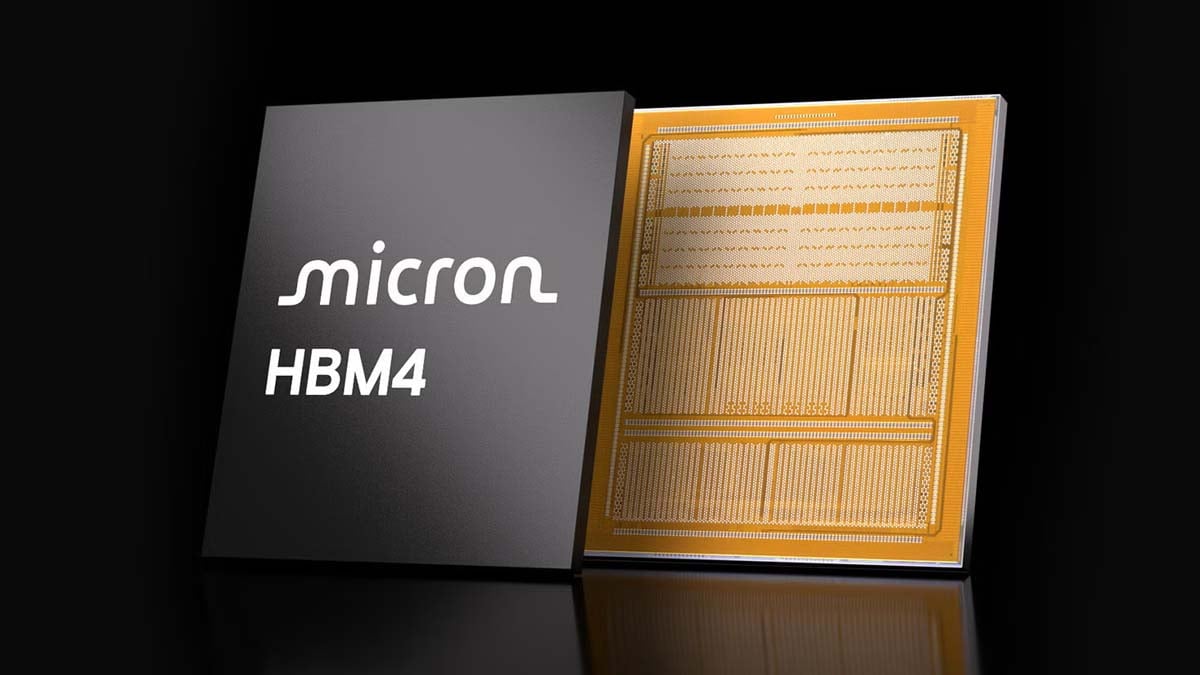
Micron is accelerating its capacity expansion to catch up with market leaders Samsung and SK hynix. According to reports from Nikkei Asia and Yonhap News Agency published in early September, Micron plans to add up to 60,000 HBM wafer starts per month, bringing its total monthly capacity to approximately 100,000 wafers by the end of 2026. This nearly doubles its previous levels and is specifically aimed at supplying 12-high HBM4 stacks for Nvidia’s upcoming Vera Rubin AI platform, signaling a direct challenge to the current duopoly's scale advantage.
Critical inventory shortage: Samsung and SK hynix below 10 days
A report from KB Securities dated September 7 revealed that finished DRAM inventory at both Samsung and SK hynix has fallen below 10 days of supply. This historic low is driven by HBM4 production, which consumes three times the wafer capacity of conventional DRAM, effectively cannibalizing standard memory output. TrendForce data confirms this strain, with global DRAM revenue hitting $154.73 billion in Q2 2026, as the industry struggles to balance high-margin HBM production with general-purpose memory needs.
SK hynix accelerates 1c DRAM transition for HBM4E readiness
SK hynix is rapidly expanding its 1c-nanometer DRAM production, aiming to account for 34% of its total output by the end of 2026. This transition is critical for supporting the mass production of HBM4E, where Samsung has been raising the stakes with competitive yields and speed improvements. The move underscores the intense technological race, as SK hynix seeks to maintain its lead against Samsung’s improving HBM4E offerings and Micron’s capacity surge.
Local view
South Korean media outlets are highlighting the widening opportunities for domestic chipmakers beyond traditional GPU clients. Money Today reported on September 13 that global big tech firms developing their own AI chips are becoming significant new demand sources for Samsung and SK hynix, further diversifying their customer base beyond Nvidia. This trend is expected to stabilize supply chains and increase pricing power for Korean memory giants as they cater to customized ASIC demands.
Additionally, Sisa Journal e noted on September 10 that probe card manufacturer TSE is accelerating supplies to Samsung and SK hynix for HBM4 and HBM4E testing. This supply chain activity indicates that qualification processes for next-generation HBM are moving into full-scale production support phases, reflecting confidence in near-term yield improvements for both major Korean manufacturers.
Context & numbers
- HBM Market Share: In Q2 2026, Samsung’s HBM revenue share jumped to 33% (up from 21%), narrowing the gap with SK hynix, whose share dipped slightly to ~50%.
- DRAM Revenue: Global DRAM revenue reached $154.73 billion in Q2 2026, driven by HBM4 adoption and conventional DRAM price hikes.
- Capacity Targets: Micron aims for 100,000 monthly HBM wafer starts by end-2026; SK hynix targets 34% of total DRAM output on 1c process nodes by end-2026.
On the radar
- Nvidia Price Hikes: Reports suggest Nvidia may raise server prices by 15% in early 2027, which could allow memory suppliers to push HBM prices up by over 50% in 2027.
- CXMT Profitability: Chinese manufacturer CXMT reported an 82% EBIT margin in Q2 2026, surpassing SK hynix (76%) and Samsung (70%), though this is attributed to niche legacy node dominance rather than HBM leadership.
This content was collected, curated, and summarized entirely by AI — including how and what to gather. It may contain inaccuracies. Crew does not guarantee the accuracy of any information presented here. Always verify facts on your own before acting on them. Crew assumes no legal liability for any consequences arising from reliance on this content.
Powered by
