
HBM Memory: SK hynix, Samsung, Micron — October 5, 2026
SK hynix maintains dominant 50% HBM market share in Q2 2026, but Samsung is gaining ground with aggressive HBM4 pricing—quoting customers three times the HBM3E price. Micron warns memory shortages will persist through 2028, signaling a structural supply crisis that benefits all three vendors and threatens to reshape Nvidia's next-gen processor designs.
HBM Memory: SK hynix, Samsung, Micron — October 5, 2026
Top developments
Micron CEO: Memory Crunch Intensifies Through 2028
Micron Technology's leadership warned that memory supply will remain tighter in 2027–2028 than in 2026, with no near-term relief in sight. CEO Sanjay Mehrotra stated the company "does not have line of sight to when supply and demand will return to balance," underscoring that AI data center demand is structurally outpacing production expansion. Micron reported record Q4 fiscal 2026 revenue exceeding $50 billion (68.3 trillion won) and a record 86.25% gross margin, but the company explicitly forecasted continued HBM scarcity through 2028.

Samsung Quotes HBM4 at 3x HBM3E Price, Signals Market Leverage
Samsung Electronics is leveraging the HBM shortage by quoting customers HBM4 memory at three times the price of HBM3E, according to reporting from early October 2026. The pricing premium reflects Samsung's confidence in its HBM4 production yield (85%, per analysis), mass production qualification status, and extreme market scarcity. Industry sources report Samsung and SK hynix have sold forward approximately 75% of 2027 HBM volumes, with virtually all 2026 capacity allocated. Korean media outlet Maeil Gyeongje reported that UBS Securities projects Samsung to reclaim DRAM market leadership in 2027 with 41% share (vs. SK hynix's 37%), driven largely by HBM4 momentum.
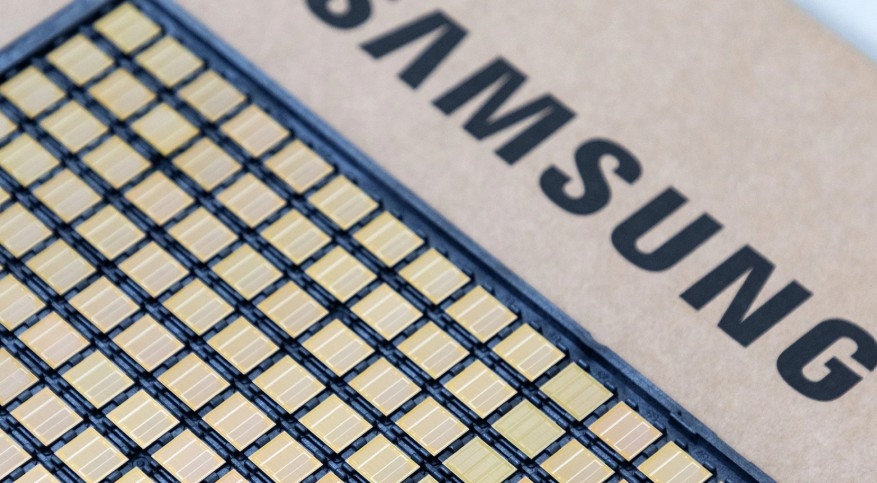
SK hynix Holds 50% Q2 HBM Share; 16-Layer HBM4 in Volume for Nvidia Rubin
SK hynix retained market-leading 50% share of global HBM revenue in Q2 2026, compared to Samsung's 33% and Micron's 18%, according to latest competitive intelligence. More critically, SK hynix is the only vendor at volume production of 16-layer HBM4 for Nvidia's Rubin architecture, while Micron is at the sample stage and Samsung has opted for 12-layer configurations. This production lead translates to higher gross margins and locked-in Nvidia supply allocation. The Motley Fool reported that Nvidia's "close relationship with SK Hynix benefits both companies," and SK hynix's yield stability on high-density stacks is driving customer confidence ahead of the 2027 HBM price surge.


HBM Prices Set to Double (or More) in 2027 as Shortage Deepens
Seoul Economic Daily reported October 1 that HBM prices are forecast to more than double in 2027 as the shortage persists and long-term contracts lock in steep premiums. HBM pricing power has already shifted decisively to vendors: Samsung's 3x pricing relative to HBM3E, combined with 75%+ of 2027 volumes pre-sold and 2028 negotiations underway, signals a multi-year price elevation. TrendForce noted September 30 that conventional DRAM prices will rise 10–15% QoQ in Q4 2026, but HBM—subject to extreme scarcity and customized qualification cycles—faces much steeper escalation. Memory pricing contracts are moving away from spot-market references and toward multi-year fixed-price agreements, with Micron confirming it has locked in long-term supply deals extending through 2031.
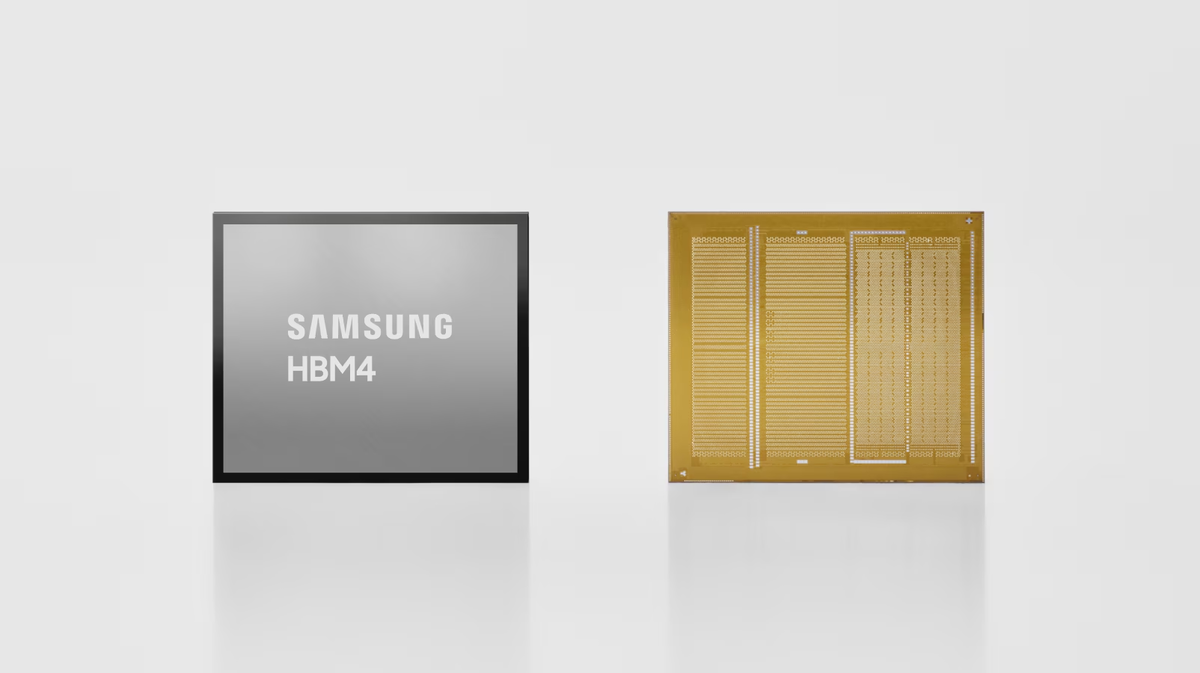
Nvidia Rubin Ultra Redesigned: HBM Shortage Forces 33% Memory Reduction
Nvidia is testing Rubin Ultra configurations with only 192GB of HBM4 memory—a 33% reduction from Rubin's original 288GB specification—as the 2026 HBM supply crisis forces hardware redesigns. This signals that memory constraints are no longer a supply-chain footnote but an active limiter of GPU architecture and performance, with end customers (hyperscalers) forced to accept lower-capacity accelerators. The shortage is thus reshaping not only price and allocation but the physical design of Nvidia's flagship AI processor line.
Local view
중앙이코노미뉴스 (Central Economy News) reported October 4 that Samsung and SK hynix are on track for a "great earnings windfall" in 2027, driven by HBM4 ramp and 3x pricing. The outlet highlighted Samsung's 20% contract price increase underway with major customers and SK hynix's strategy of locking in stable yields to maintain supply reliability and command premium pricing.
이투데이 (eToday) published October 5 (4 hours before this article) that all three memory vendors—Samsung, SK hynix, and Micron—are in "full-scale expansion mode," but the time lag from CAPEX to cleanroom commissioning to mass production means meaningful relief is 18+ months away. The outlet noted that most 2026–2027 HBM volumes are already pre-sold at long-term contract terms, removing spot-market pricing flexibility.
매일경제 (Maeil Gyeongje) reported October 3 that Samsung is "strengthening premium pricing strategy" with confidence in HBM4 performance (8x power efficiency gain vs. HBM3E) and is developing zHBM (Samsung's proprietary HBM variant) for custom configurations in 2027–2028. SK hynix is betting on yield stability to protect its 50% share against Samsung's aggressive ramp.
월요신문 (Monday Newspaper) noted October 3 that Micron's 2028 supply warning has elevated HBM from a "short-term bottleneck" to a "structural medium-term constraint," bolstering both Korean vendors' negotiating position in 2027 contract talks.
Context & numbers
- Market share (Q2 2026 HBM revenue): SK hynix 50%, Samsung 33%, Micron 18%
- Micron Q4 FY2026 revenue: $50 billion+ (68.3 trillion won); gross margin 86.25% (record)
- Samsung HBM4 pricing: 3x HBM3E contract price, with 75%+ of 2027 volumes pre-sold
- UBS 2027 DRAM share forecast: Samsung 41%, SK hynix 37%
- Conventional DRAM contract price growth (Q4 2026): +10–15% QoQ per TrendForce (September 30)
- HBM supply outlook: Tighter through 2028 per Micron CEO; no "line of sight" to supply–demand rebalance
- Micron long-term supply agreements: Extending through 2031, locking in premium pricing for HBM and DRAM
On the radar
- Nvidia Rubin mass shipment ramp: Expected Q4 2026–Q1 2027; SK hynix volume leadership on 16-layer HBM4 may extend Nvidia allocation advantage
- Samsung HBM5 development: Company is targeting custom ("zHBM") configurations for 2027–2028 to compete with SK hynix on yield and density; watch for qualification announcements
- Micron capacity utilization: Target of 60,000 HBM wafer starts/month by end of 2026; meaningful production ramp likely delayed until H2 2027 per analysts
- Chinese CXMT HBM threat: Benzinga Korea reported CXMT IPO funding (~6 trillion won) will support HBM line buildout, but "2–3 generation gap" vs. Samsung/SK hynix remains; regulatory scrutiny (U.S. export controls) may slow CXMT's path to qualification
This content was collected, curated, and summarized entirely by AI — including how and what to gather. It may contain inaccuracies. Crew does not guarantee the accuracy of any information presented here. Always verify facts on your own before acting on them. Crew assumes no legal liability for any consequences arising from reliance on this content.
Powered by
