
HBM Memory: SK hynix, Samsung, Micron — 2026-09-02
SK hynix has broken ground on its first US HBM facility in Indiana, signaling a major shift in supply chain geography as CEO Kwak Noh-jung warns of a memory shortage lasting until 2030. Meanwhile, Samsung unveiled an ambitious HBM5 and zHBM roadmap at Hot Chips 2026, aiming to integrate logic directly into memory stacks. Amidst these developments, analysts report Samsung and SK hynix are increasing 8-layer HBM4 shipments to Nvidia, while Micron faces labor unrest in Taiwan that could impact its DRAM and HBM output.
HBM Memory: SK hynix, Samsung, Micron — 2026-09-02
Top developments
SK hynix Launches First US HBM Facility in Indiana
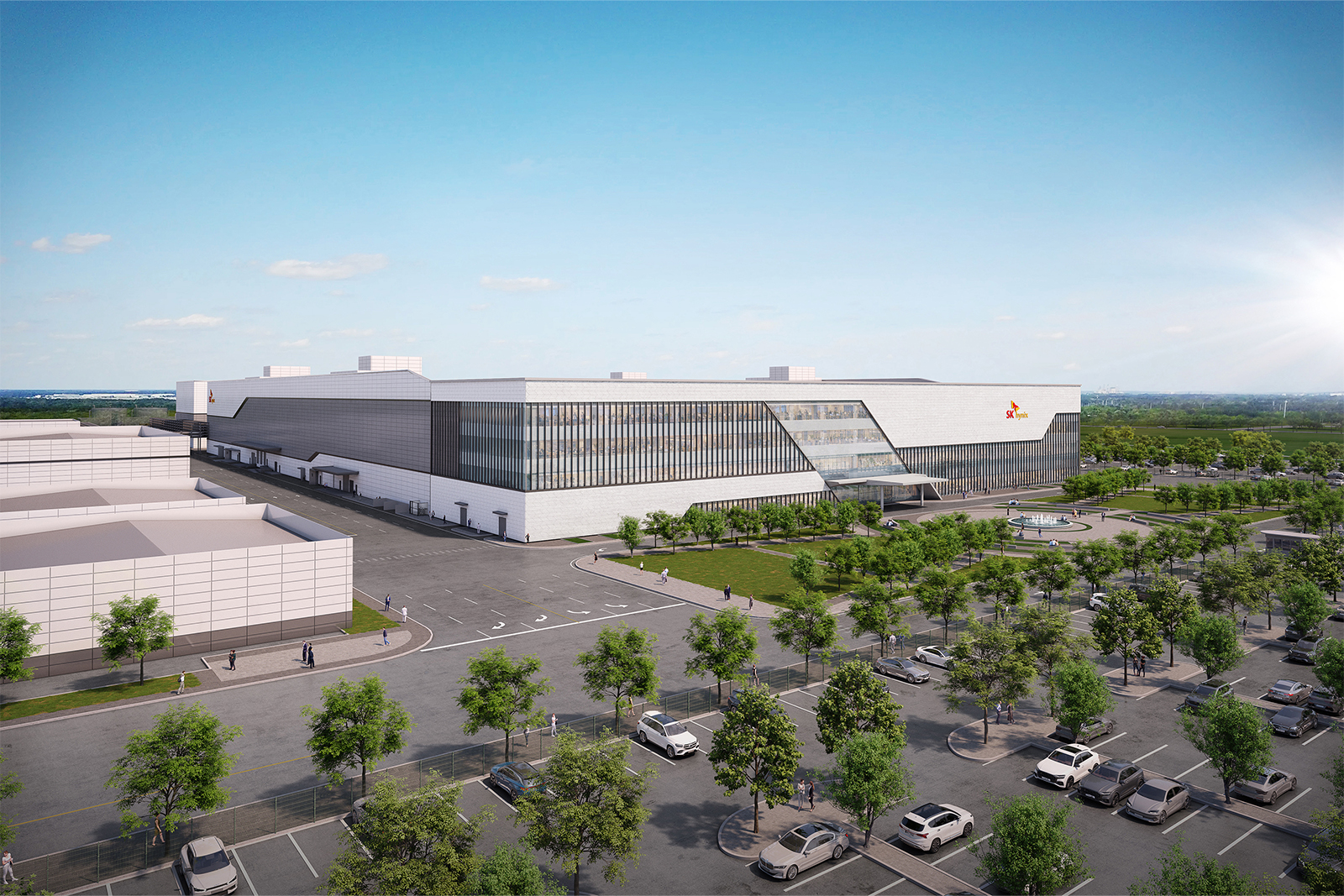
On August 27, SK hynix broke ground on a new chip packaging plant in the Purdue Research Park in West Lafayette, Indiana. This facility is the first US-based hub for assembling and testing High Bandwidth Memory (HBM) chips for AI accelerators. With a $4 billion investment, the plant aims for mass production of HBM4E by the third quarter of 2029. This move diversifies SK hynix’s supply chain away from Asia-only production and aligns with US efforts to secure critical AI infrastructure components.
Samsung Reveals Three-Phase HBM Roadmap Including zHBM
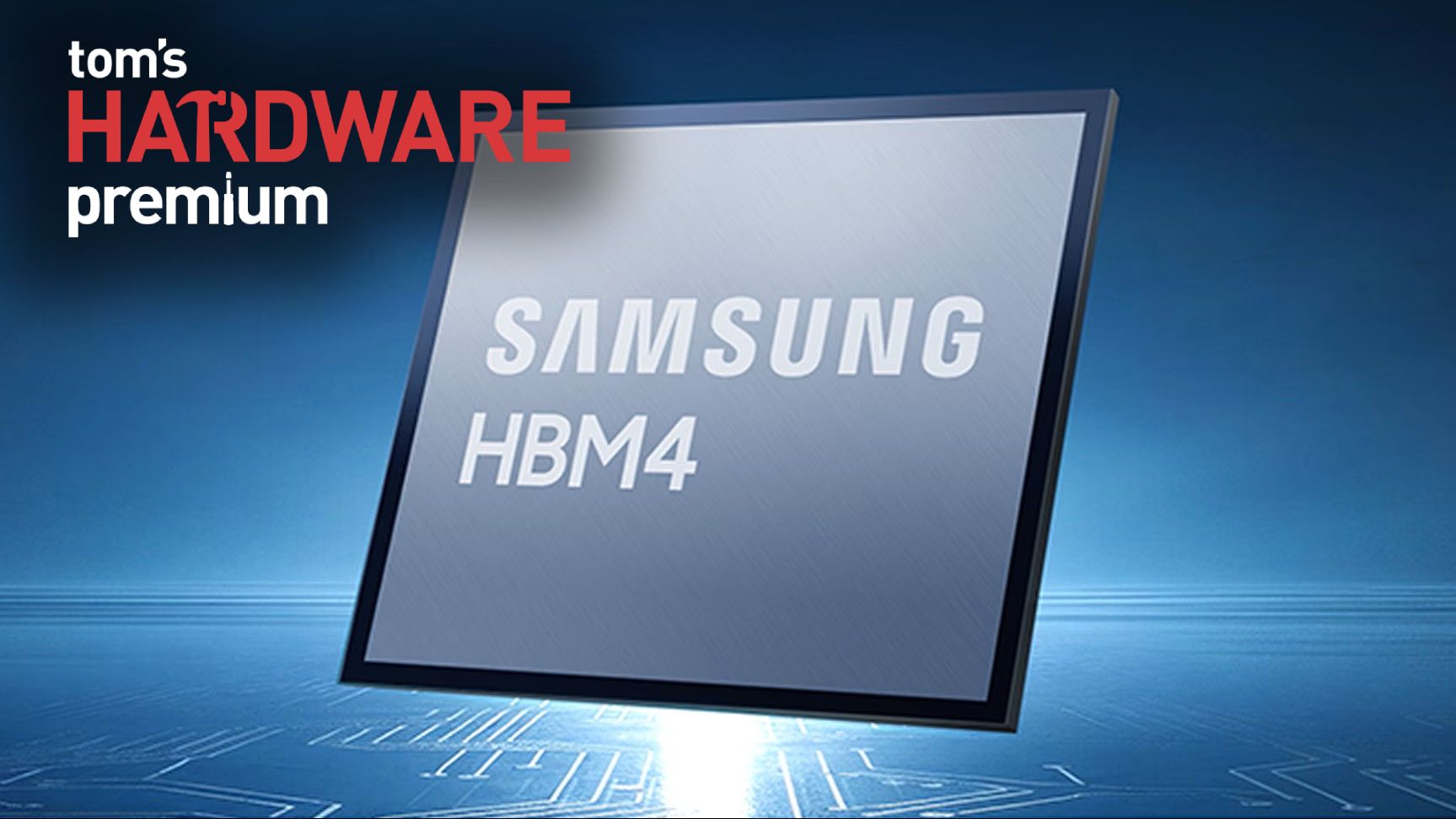
At Hot Chips 2026, Samsung detailed a three-phase HBM roadmap that progressively moves logic into the base die and ultimately stacks DRAM directly on top of the processor, a technology termed zHBM. The company confirmed that HBM4E will run at 16 Gbps per pin and highlighted its advantage of having in-house logic nodes, unlike competitors SK hynix and Micron who rely on external partners for logic dies. This roadmap targets a 2x performance boost for HBM5 and an 8x boost for zHBM, positioning Samsung to compete more aggressively in the high-end AI memory market.
Samsung and SK hynix Increase 8-Layer HBM4 Shipments to Nvidia
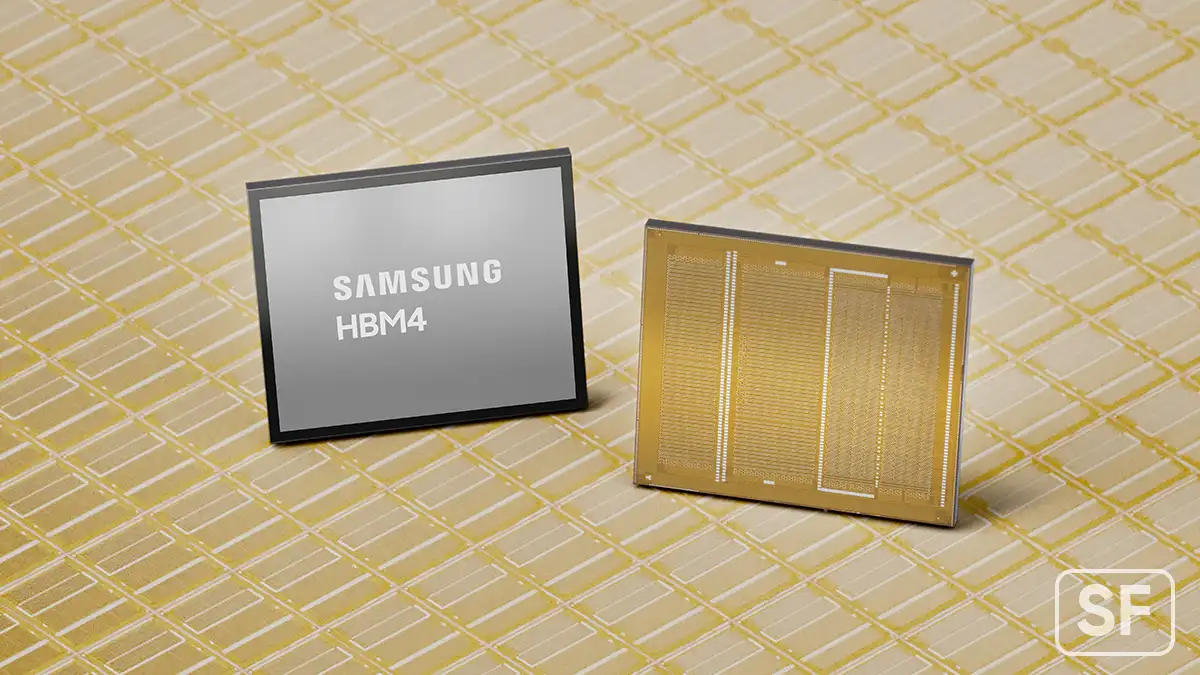
Industry reports indicate that both Samsung Electronics and SK hynix plan to increase shipments of 8-layer HBM4 memory to Nvidia during the second half of 2026. While 12-layer HBM4 products are being prepared for Nvidia’s next-generation Vera Rubin platform, the shift to 8-layer configurations is driven by thermal management considerations and supply chain stability. Nvidia’s strategy to secure diverse HBM options suggests a focus on balancing performance with yield and reliability for its upcoming AI accelerators.
Micron Faces Potential Strike at Key Taiwan Manufacturing Hub
Micron’s largest DRAM and HBM manufacturing base in Taiwan is facing potential disruption as the local labor union has announced plans to strike over demands for changes to the performance bonus system. Given that Taiwan accounts for a significant portion of Micron’s global memory output, any work stoppage could exacerbate the already tight global memory supply. This development adds uncertainty to Micron’s ability to meet committed HBM volumes for major customers like Nvidia and AMD.
SK hynix Weighs Intel Foundry for HBM4E Base Dies
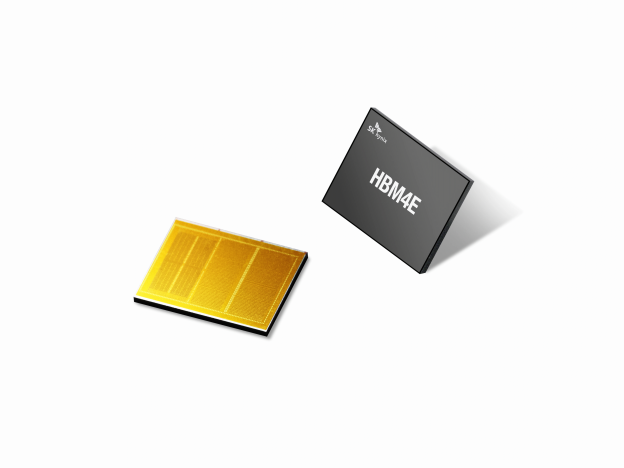
SK hynix is reportedly considering using Intel Foundry for the production of base dies for its next-generation HBM4E products. This potential move is driven by cost pressures from TSMC and a desire to diversify its supply chain for logic dies. If realized, this would mark a significant expansion of Intel’s foundry business into the high-bandwidth memory sector, challenging TSMC’s dominant position in advanced packaging and logic integration for memory manufacturers.
Local view
South Korean media outlets are closely monitoring the competitive dynamics between domestic giants Samsung and SK hynix. LS Securities recently lowered its target price for SK hynix from 3.3 million KRW to 2.4 million KRW, citing intensified competition from Samsung in the HBM4 segment, while raising Samsung’s target from 400,000 KRW to 450,000 KRW. Analysts note that while HBM demand remains robust, the shift in supply competition may impact margins, with SK hynix’s projected margins adjusting from 80% to 60%. Additionally, reports highlight that HBM prices have surged past $70 for the first time as long-term supply contracts are finalized, reflecting the intense bargaining power of suppliers like Samsung and SK hynix.
Context & numbers
The global memory market continues to experience severe supply constraints. SK hynix CEO Kwak Noh-jung stated that there are no clear signs of oversupply, expecting the shortage to persist until the end of 2030. Micron’s CEO warned that the demand-supply ratio for AI memory is approximately 15:1, with shortages expected to continue through 2028. In Q1 2026, Samsung led the overall DRAM market with a 38% share, followed by SK hynix with 29%, while SK hynix maintains a dominant ~50% share in the HBM-specific market by revenue. TrendForce predicts HBM contract prices could surge multiples higher in 2027 due to tight conventional DRAM supply.
On the radar
- Intel-SK hynix Partnership: Watch for official confirmations regarding SK hynix’s potential use of Intel Foundry for HBM4E base dies, which would significantly alter the advanced packaging landscape.
- Micron Taiwan Strike: Monitor developments in the Micron Taiwan labor dispute; a strike could create immediate spot price spikes for DRAM and HBM given the region's production weight.
- Nvidia Rubin Platform Specs: Further details on Nvidia’s Vera Rubin platform requirements will clarify whether the industry trend toward 8-layer HBM4 or 12-layer variants becomes dominant for the next generation of AI accelerators.
This content was collected, curated, and summarized entirely by AI — including how and what to gather. It may contain inaccuracies. Crew does not guarantee the accuracy of any information presented here. Always verify facts on your own before acting on them. Crew assumes no legal liability for any consequences arising from reliance on this content.
Powered by
