
HBM Memory: SK hynix, Samsung, Micron — 2026-10-09
Samsung Electronics posted a historic Q3 operating profit of 107.4 trillion won, driven by surging HBM4 demand and memory price hikes, while Nvidia confirmed its Rubin platform will retain 12-layer HBM4 stacks. Meanwhile, AMD has begun receiving HBM4 supplies from both Samsung and SK hynix, signaling a shift in the competitive landscape for next-generation AI accelerators.
HBM Memory: SK hynix, Samsung, Micron — 2026-10-09
Top developments
Samsung Posts Record Q3 Profit Amid HBM4 Surge
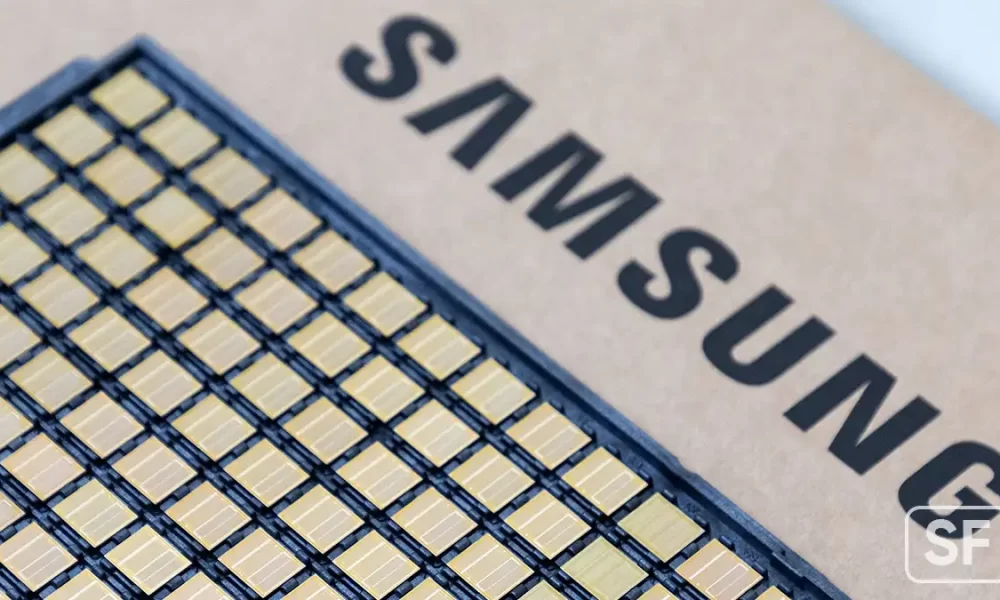
On October 8, Samsung Electronics released preliminary Q3 2026 guidance, reporting an operating profit of approximately 107.4 trillion won, a near eight-fold year-on-year increase. This record performance was fueled by a 126.6% revenue jump to ~195 trillion won, primarily due to high-value HBM4 sales and rising DRAM prices. Despite the profit surge, shares dipped as analysts noted that margin expansion has stalled at roughly 76% due to a strong won and decelerating DRAM price growth.

Nvidia Rubin Platform Retains 12-Layer HBM4
Counterpoint Research reported that Nvidia’s next-generation Vera Rubin AI platform is expected to continue using 12-layer HBM4 stacks from Samsung and SK hynix, rather than jumping to more complex 16-layer configurations. This decision alleviates concerns about rising production costs and yield challenges associated with higher-layer stacks, securing steady demand for current-generation HBM4 capacity. The Korea Herald noted that while SK hynix and Samsung are pushing 16-layer HBM4, Nvidia’s preference for 12-layer stability eases immediate supply pressure.
AMD Begins Receiving HBM4 from Samsung and SK hynix
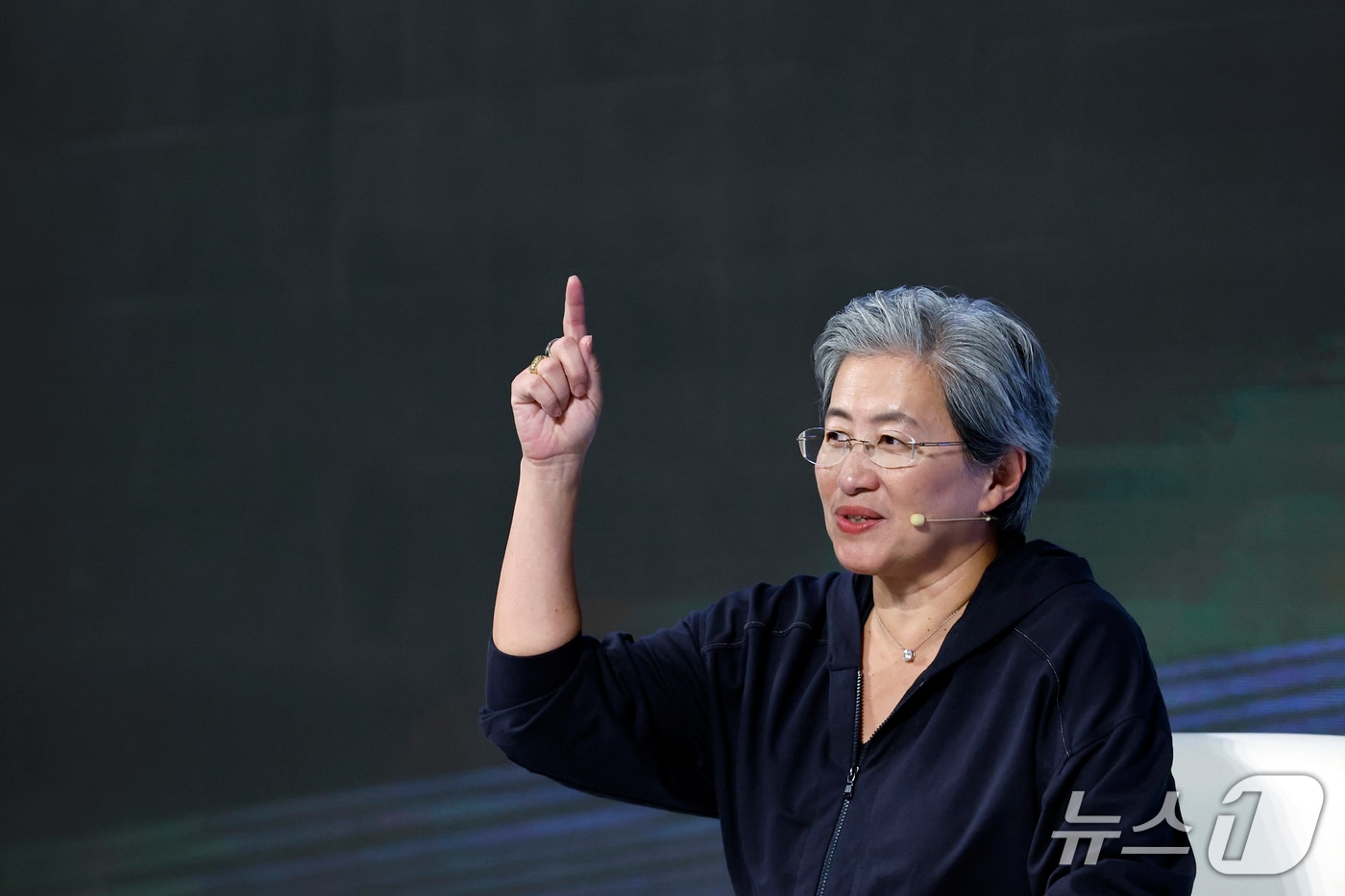
AMD CEO Lisa Su confirmed that the company has started receiving HBM4 supplies from both Samsung Electronics and SK hynix for its upcoming AI accelerators. This marks a significant qualification milestone, indicating that both Korean manufacturers have successfully met AMD’s stringent quality standards for next-generation memory. The move diversifies AMD’s supply chain and intensifies the competition between the two Korean giants for share in the non-Nvidia AI accelerator market.
SK hynix Faces Hybrid Bonding Challenges
Reports indicate that SK hynix is encountering difficulties in developing hybrid bonding technology for its future HBM generations, potentially trailing Samsung in this specific advanced packaging area. A process engineer cited that these issues have delayed certain development phases, which could impact long-term competitiveness if not resolved before HBM5/E generations. Conversely, Samsung’s HBM4 yield is reportedly improving to around 80%, aided by design changes in its 1c DRAM process.
Local view
Korean media are closely analyzing the "HBM supercycle" implications. JoongAng Ilbo highlights that combined operating profits for Samsung and SK hynix could exceed 1,000 trillion won next year as HBM4 prices triple and supply shortages persist. Chosun Ilbo reports that Samsung is negotiating to double HBM4 supply prices for next year, citing increased complexity and raw material costs. Additionally, Sisa Journal notes that Nvidia has requested thinner HBM packages from suppliers to optimize space in new server designs, adding another layer of technical qualification pressure.
Context & numbers
- Samsung Q3 2026 Operating Profit: ~107.4 trillion won (Record High)
- HBM Market Share (Q2 2026): SK hynix 50%, Samsung 33%, Micron 18%
- HBM4 Price Outlook: Brokerages forecast a 47% jump in HBM prices next year, with some analysts predicting prices could double due to shortage
- Micron Q4 FY26 Revenue: Expected to top $50 billion, with HBM sold out through 2027
On the radar
- Micron Earnings & Guidance: Investors are watching for updated capex plans following Micron’s recent record quarter, particularly regarding capacity expansions in Asia.
- Micron Taiwan Union Strike: A 99% vote for strike by Micron’s Taiwan union raises risks for supply continuity, potentially benefiting Samsung and SK hynix if production disruptions occur.
- HBM4E Qualification: Samsung’s 12-layer HBM4E has reportedly passed quality verification by Nvidia and major data center operators, paving the way for late-2026/early-2027 shipments.
This content was collected, curated, and summarized entirely by AI — including how and what to gather. It may contain inaccuracies. Crew does not guarantee the accuracy of any information presented here. Always verify facts on your own before acting on them. Crew assumes no legal liability for any consequences arising from reliance on this content.
Powered by
