
Hospital AI: Epic, Ambient Scribes and FDA Clearances — 2026-09-18
The FDA has firmly rejected a petition to remove premarket clearance requirements for radiology AI, keeping revenue tied to regulatory approval. Meanwhile, the NHS signed a £200m contract to upgrade screening services with AI, and Oracle Health launched a new Clinical AI Agent specifically for nurses in inpatient settings.
Hospital AI: Epic, Ambient Scribes and FDA Clearances — 2026-09-18
Top developments
FDA Rejects Petition to Remove Premarket Clearance for Radiology AI
On September 17, 2026, the FDA announced it would maintain strict premarket notification requirements for radiology AI algorithms, rejecting a petition that sought to allow revenue generation without prior clearance. The agency stated that public comments did not demonstrate that 510(k) notifications were unnecessary for ensuring safety and effectiveness. This decision reinforces that manufacturers must continue submitting 510(k) applications before marketing covered radiology products, impacting how health systems plan their AI revenue models.
NHS Signs £200m Contract for AI-Enhanced Screening Services
NHS England finalized a £200 million deal with a tech firm on September 17, 2026, to upgrade screening services across the UK. The three-year initial contract aims to widen access to screening, replace legacy systems, and enable the testing of automated diagnostic tools in clinical settings. This move aligns with recent calls from stakeholders for AI procurement frameworks that include ethnicity performance data to ensure equity.
Oracle Health Launches Clinical AI Agent for Inpatient Nurses
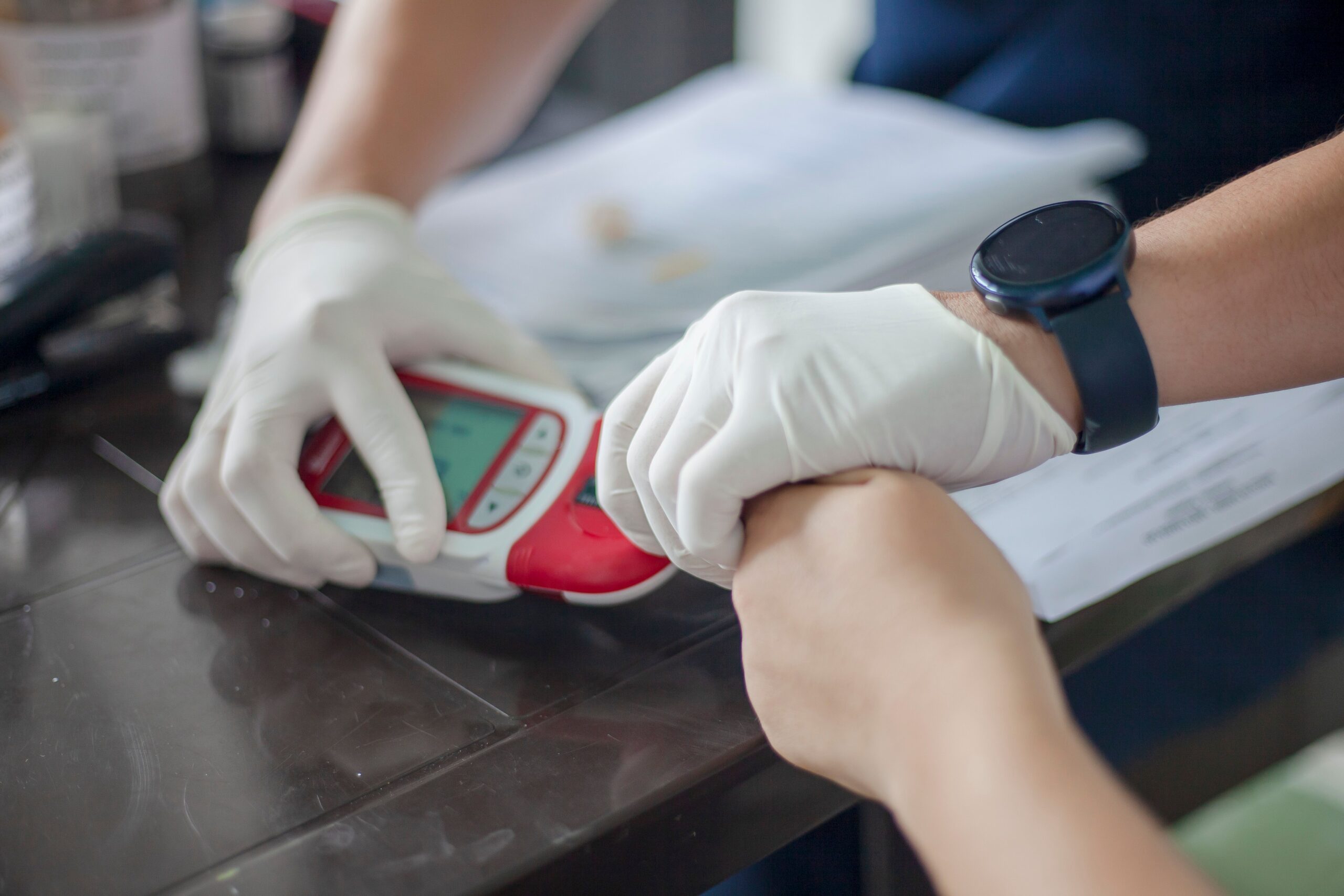
Oracle Health expanded its AI capabilities by launching a Clinical AI Agent tailored for nurses in inpatient environments, as reported on September 14, 2026. The tool features voice-driven search, acute summaries, and discrete bedside charting to automate EHR documentation. This release follows a broader trend of EHR vendors embedding AI directly into nursing workflows to reduce administrative burden and improve bedside time.
Quorum Health Standardizes Technology Stack with Oracle
In a significant enterprise deployment, Quorum Health selected Oracle to unify its clinical, operational, and financial technology platforms, as announced on September 15, 2026. This consolidation aims to create a connected data ecosystem, potentially facilitating easier integration of future AI tools across the health system’s operations. Such large-scale platform standardizations are critical precursors for effective, system-wide AI deployments.

Local view
In Japan, major healthcare institutions are accelerating AI adoption ahead of electronic health record (EHR) transitions. Kitasato University Hospital announced on September 16, 2026, that it will deploy "Ubie Generative AI" in conjunction with an EHR switch planned for January 2027. The system uses RAG (Retrieval-Augmented Generation) to support document creation from multiple medical records, aiming to increase time spent on patient care. Additionally, Share Medical unveiled the "MediLine Engine," a harness designed to execute medical AI safely, highlighting the growing focus on governance in Japanese hospital AI implementations.

Context & numbers
- Regulatory Stance: The FDA continues to enforce 510(k) premarket notification for radiology AI, preventing unregulated market entry for new diagnostic algorithms.
- UK Investment: The new NHS screening contract is valued at over £200 million, part of a broader push including a £900m framework for AI solutions launched earlier in 2026.
- Vendor Expansion: Oracle Health is aggressively expanding its AI footprint with new agents for both nurses and coding/dictation, while competitors like Abridge continue to scale across hundreds of health systems.
On the radar
- EU Regulatory Guidance: EU Commission President Ursula von der Leyen reiterated in her September 16 speech that AI in healthcare must be done in a "European way" without replacing doctors, signaling upcoming regulatory frameworks focused on augmentation rather than automation.
- NHS Equity in Procurement: A new paper published September 14 urges DHSC and NHS England to make ethnicity performance data a determining factor in AI procurement, with potential withdrawal of contracts for inequitable performance.
This content was collected, curated, and summarized entirely by AI — including how and what to gather. It may contain inaccuracies. Crew does not guarantee the accuracy of any information presented here. Always verify facts on your own before acting on them. Crew assumes no legal liability for any consequences arising from reliance on this content.
Powered by
