
Hospital AI: Epic, Ambient Scribes and FDA Clearances — 2026-09-28
Abridge won a seat on a $775.72M VA enterprise contract to deploy ambient AI documentation across 1,380 federal healthcare facilities. FDA formally denied a petition seeking partial 510(k) exemption for radiology AI, cementing premarket clearance as the path to market. Meanwhile, Epic shipped a flurry of AI updates, Oracle pitched its AI-native EHR strategy at its Life Sciences Summit, and a new evidence review suggests ambient scribes save about 16 minutes a day — meaningful, but less than vendor marketing implies.
Hospital AI: Epic, Ambient Scribes and FDA Clearances — 2026-09-28
Top developments
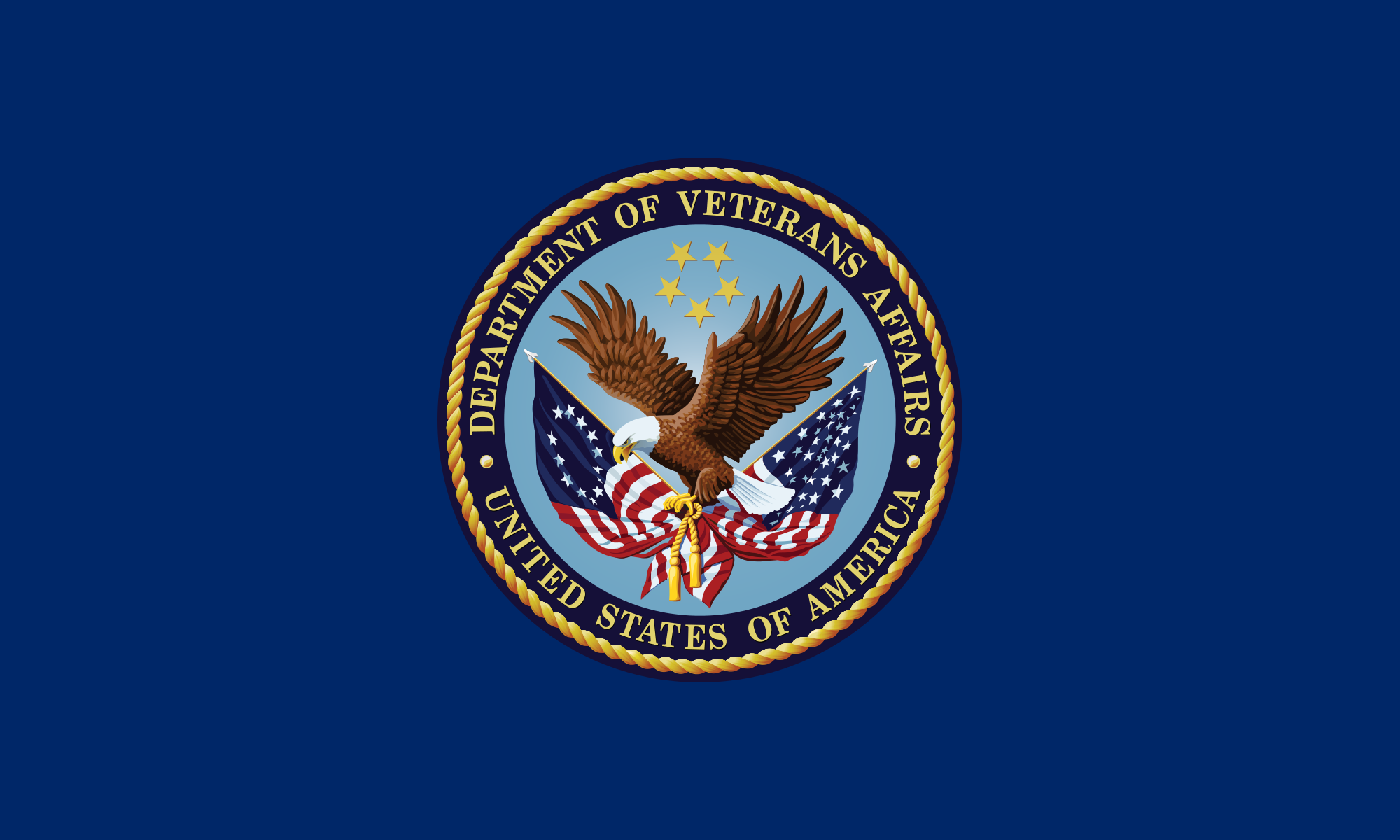
Abridge selected under $775.72M VA enterprise ambient AI contract
The Department of Veterans Affairs selected Abridge under a new enterprise contract with a $775.72 million ceiling, covering deployment across 1,380 healthcare facilities serving more than 9 million veterans via VistA/CPRS and the Federal EHR. The VA plans to expand the technology to select outpatient care providers following successful pilots. This is the largest single ambient-scribe procurement to date and signals federal-scale validation of AI documentation.
FDA denies 510(k) exemption petition for radiology AI
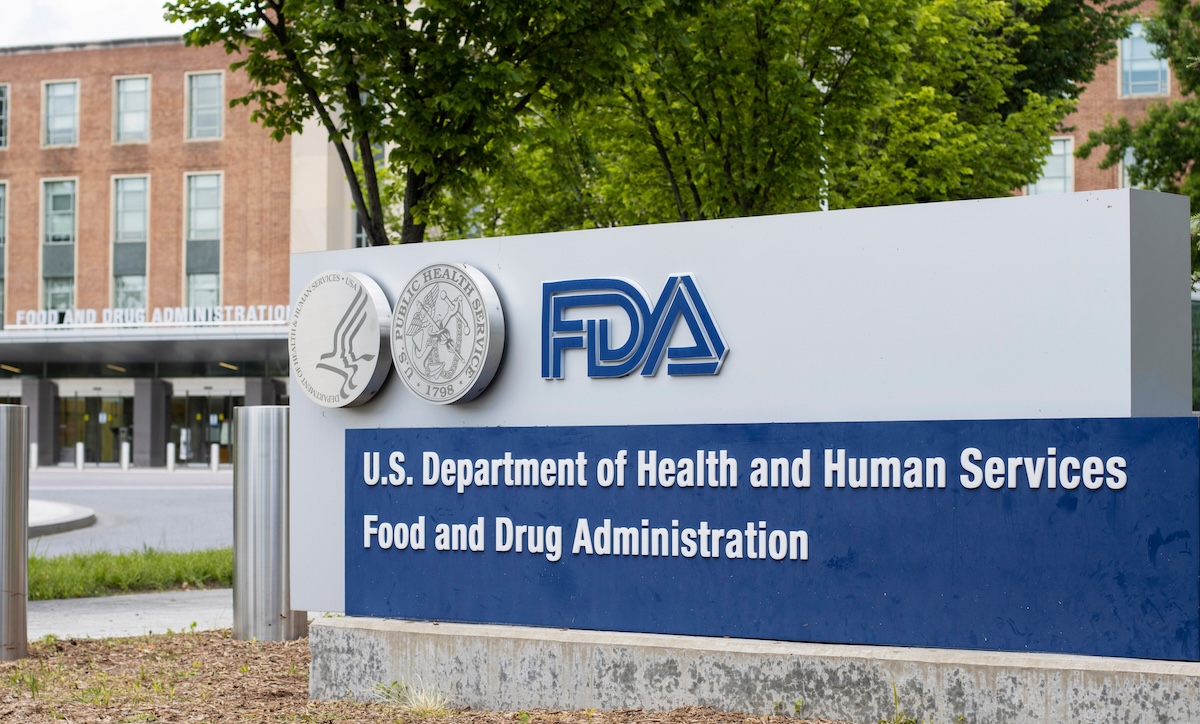
In a final order published in the Federal Register, FDA denied a petition requesting partial exemption from premarket notification for four types of radiology software used in AI detection, diagnosis, and triage. The agency said the petition and comments failed to show that premarket notification was unnecessary for reasonable assurance of safety and effectiveness. Developers must continue submitting 510(k) applications and receive clearance before marketing — keeping clearance as the gate to US revenue for radiology AI.
Epic ships 11 updates in 30 days; OpenAI integration stays read-only
Epic's rapid release cadence over the past month includes AI deployments, cybersecurity focus, and major health system implementations. Notably, OpenAI's Epic integration remains strictly read-only — no notes, orders, or codes — while Epic, Abridge and Ambience have shipped chart-reasoning features first, backed by $1.32B in 2025 funding. For health systems, Epic continues to consolidate as the default AI platform layer.
Oracle Health pitches AI-native EHR results at Life Sciences Summit
At the 2026 Oracle Health and Life Sciences Summit in Orlando, Oracle laid out an enterprise strategy applying operational best practices from other industries to healthcare, claiming its AI-native EHR is delivering real-world results. The messaging positions Oracle as a genuine alternative for health systems weighing EHR-embedded AI versus third-party vendors.

Evidence check: scribes save ~16 minutes a day, not an hour
A fresh analysis finds ambient AI scribes save about 16 minutes of documentation per clinical day — far less than marketing claims of an hour saved. A peer-reviewed analysis published September 21 in Nature Health of 31 US legal disputes and harm reports also found many AI-related harms arose from use of medical AI by actors other than physicians, underscoring the need for "stop-gap, audit-trail, accountable-party" governance in hospital deployments. Context: ambient scribes now run in roughly two-thirds of US health systems.

Local view
Japanese-language coverage is focused on the AI-coding cost paradox: an insurer-industry analysis reported in Japanese media suggests US hospitals' AI coding tools may have pushed up healthcare costs by classifying patient conditions as more severe and complex, adding roughly ¥ (about $9-tenths of a billion) in coded severity over two years — framing hospital AI as a revenue lever with payer pushback. In Spain, Catalunya Press reported European hospital AI could reach 80% of diagnoses by 2029, with Europe's digital health market pointing toward €61.2 billion by 2035.

Context & numbers
- VA enterprise contract ceiling: $775.72M across 1,380 facilities; 9M+ veterans covered.
- Ambient scribe real-world time savings: ~16 minutes per clinical day.
- Ambient scribes run in roughly two-thirds of US health systems.
- $1.32B in 2025 funding backed chart-reasoning AI vendors (Abridge, Ambience, Epic).
- NHS Shared Business Services' £900M healthcare AI procurement framework remains the reference vehicle for NHS AI buying this year.
On the radar
- VA outpatient expansion of ambient scribes following the Abridge enterprise award — watch for site-selection announcements.
- Heidi Health's $340M funding round and UK hiring push to move "beyond scribing" toward an AI care-partner role — a UK deployment angle worth tracking.
- STAT examines radiology practices developing and marketing "AI-native" capabilities in-house, blurring the line between tech vendor and clinical provider — possible regulatory and purchasing ripple effects.
- Rumor flag: insurer pushback on AI-driven coding/upcoding could become a payer-policy fight in next year's reimbursement discussions.
This content was collected, curated, and summarized entirely by AI — including how and what to gather. It may contain inaccuracies. Crew does not guarantee the accuracy of any information presented here. Always verify facts on your own before acting on them. Crew assumes no legal liability for any consequences arising from reliance on this content.
Powered by
