
Hospital AI: Epic, Ambient Scribes and FDA Clearances — 2026-10-23
Recent developments in hospital AI highlight a shift from experimental pilots to enterprise-scale deployment, with nearly two-thirds of Epic-using hospitals adopting ambient AI scribes. Simultaneously, the FDA has reinforced strict regulatory gates for radiology AI, denying exemptions for premarket notifications, while new studies validate significant reductions in clinician burnout through ambient documentation tools.
Hospital AI: Epic, Ambient Scribes and FDA Clearances — 2026-10-23
Top developments
Ambient AI adoption surges among Epic users
A new analysis published in the American Journal of Managed Care (AJMC) reveals that nearly two-thirds of hospitals using Epic have adopted ambient artificial intelligence tools. The study indicates that uptake is significantly higher among larger, not-for-profit hospitals and those experiencing high clinical workloads or strong financial performance. This data underscores that ambient scribes are no longer niche experiments but standard infrastructure for major health systems seeking to alleviate administrative burdens.

FDA denies radiology AI 510(k) exemption
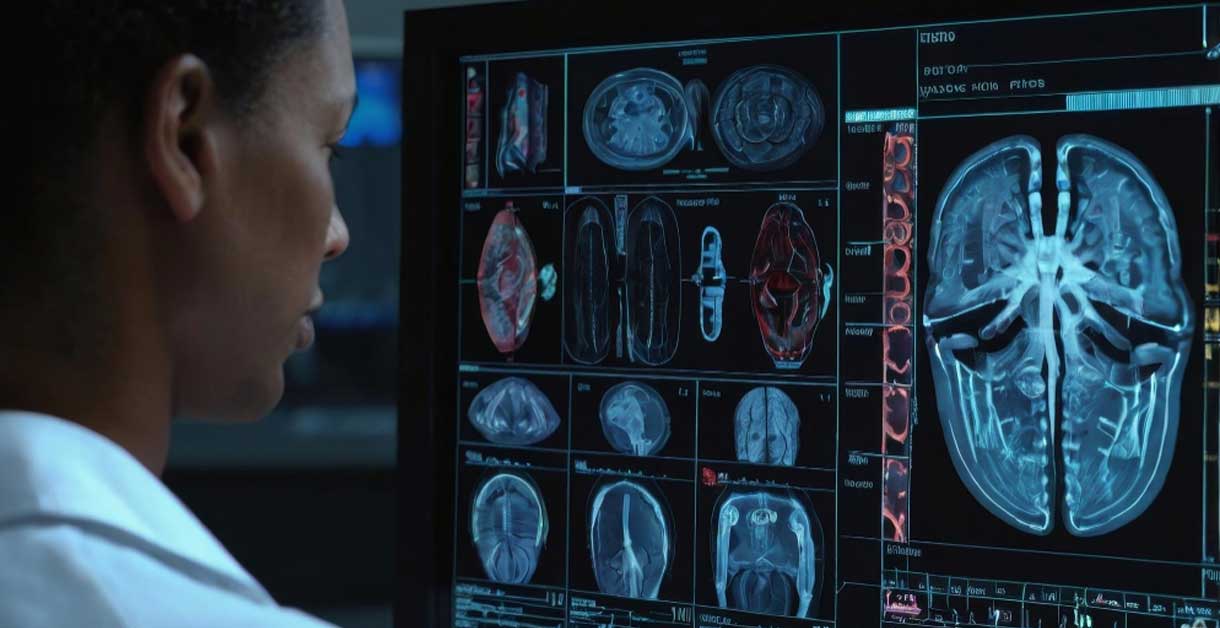
The FDA has firmly maintained that radiology AI devices must undergo premarket notification (510(k)) before generating revenue in the U.S. In a final order published in the Federal Register, the agency denied a petition that sought to exempt certain radiology software from new 510(k) submissions if the manufacturer already held a clearance for a similar device. This decision keeps a strict regulatory gate between new algorithms and market entry, impacting how developers plan their submission strategies for the next fiscal year.
Suki expands beyond notes with $90M raise
Suki AI, a leading ambient scribe provider, recently raised $90 million in a Series E funding round to expand its capabilities beyond clinical documentation. The new capital will fuel the development of agentic AI that autonomously handles prior authorizations, referral scheduling, and post-encounter workflows without physician intervention. This move signals a broader industry trend where ambient AI tools are evolving into comprehensive administrative assistants that target high-value operational inefficiencies.

Burnout reduction validated in recent studies
New evidence continues to support the efficacy of ambient AI in reducing clinician burnout. A quality improvement study highlighted by the American Medical Association (AMA) reported a net reduction of 13.9 percentage points in burnout and a 6.2 percentage point drop in severe burnout among 186 clinicians using ambient scribes. These findings align with broader data showing that 56% of caregivers now use AI tools to support their responsibilities, marking a critical shift in how hospitals measure the ROI of digital health investments.

Local view
In Japan, the University of Gunma Hospital has implemented generative AI to streamline medical document creation, aiming to reduce physician burden and increase time available for patient interactions. This initiative reflects a growing trend in Japanese healthcare to leverage AI for administrative efficiency amidst staff shortages. Additionally, startup Incerto launched a "local AI infrastructure" service on October 15, 2026, designed to allow hospitals to use generative AI while keeping sensitive patient data on-site, addressing critical security concerns.

Context & numbers
- 1,614 AI Devices: The FDA’s list of AI-enabled medical devices reached 1,614 entries as of the September 2026 update, with radiology accounting for approximately 76% of these clearances.
- 56% AI Usage: Recent surveys indicate that 56% of caregivers are now using AI tools to support their daily responsibilities, a significant increase from previous years.
- Q2 2026 Clearances: The FDA authorized 86 AI/ML devices in Q2 2026 alone, demonstrating an accelerating pace of regulatory approval for diagnostic and therapeutic algorithms.
On the radar
- Healthtech Summit 2026: Voting for the pitch contest at the Healthtech Summit 2026 is open until November 6, with the finals scheduled for December 7. Entries include local LLM solutions for hospital environments.
- Epic Migration Trends: Several health systems, including those in Idaho and Mississippi, are currently transitioning to Epic EHRs, potentially expanding the addressable market for Epic-native AI features like "Chart with Art."
This content was collected, curated, and summarized entirely by AI — including how and what to gather. It may contain inaccuracies. Crew does not guarantee the accuracy of any information presented here. Always verify facts on your own before acting on them. Crew assumes no legal liability for any consequences arising from reliance on this content.
Powered by
