
Hospital AI: Epic, Ambient Scribes and FDA Clearances — 2026-10-18
Recent studies highlight the rapid adoption of ambient AI scribes in Epic-based hospitals, with nearly two-thirds of such institutions now utilizing the technology. Meanwhile, Suki AI secured $90 million in Series E funding to expand its agentic capabilities beyond documentation into prior authorizations, and a landmark review warns that hospital AI deployment is outpacing regulatory oversight.
Hospital AI: Epic, Ambient Scribes and FDA Clearances — 2026-10-18
Top developments
Suki AI Raises $90M to Expand Beyond Clinical Notes
On October 14, 2026, Suki AI announced a $90 million Series E funding round. The capital will fund the development of agentic AI capable of autonomously submitting prior authorization requests and scheduling referrals, moving beyond simple clinical documentation. This expansion targets high-value administrative workflows, positioning Suki to compete more directly with broader revenue cycle management tools.

Epic Hospitals Lead in Ambient AI Adoption
A new study published in the American Journal of Managed Care (AJMC) on October 12, 2026, reveals that nearly two-thirds of hospitals using Epic have adopted ambient artificial intelligence. The data indicates higher uptake among larger, not-for-profit hospitals, particularly those experiencing higher clinician workloads and demonstrating stronger financial performance. This suggests that financial stability and scale are critical enablers for successful AI integration in major health systems.

Landmark Review Warns of Regulatory Lag
A review published on October 17, 2026, warns that U.S. hospitals are deploying AI faster than regulators can keep up. By the end of 2025, the FDA had cumulatively authorized more than 1,451 AI and machine learning medical devices. The report highlights a growing gap between the pace of technological integration in clinical settings and the regulatory frameworks needed to ensure safety and efficacy, particularly for diagnostic algorithms.

Suki Integration with Oracle Health and Athenahealth
Healthcare IT News reported on October 11, 2026, that vendors including Suki, Oracle Health, and Athenahealth are launching new AI platforms and advanced agents. These tools aim to better integrate data at the point of care and optimize workflows. The convergence of these technologies suggests a trend toward unified AI ecosystems that span documentation, diagnostics, and operational management.

Local view
Japan: Incerto Launches Local AI Infrastructure for Hospitals
On October 15, 2026, Incerto announced the launch of "Intra-Hospital Local AI Infrastructure" in Japan. This service provides dedicated hardware and software to allow hospitals to run generative AI locally, ensuring patient data security. The platform includes four free AI software modules, including voice-based electronic medical records and medical billing AI, enabling hospitals to build custom AI applications on a secure, local foundation.

Context & numbers
Ardent Health Surpasses 1 Million Ambient AI Encounters
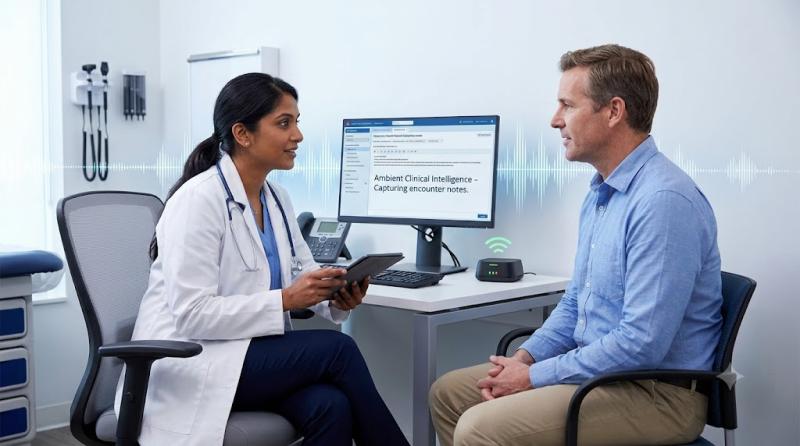
In a milestone reported on October 15, 2026, Ardent Health announced that its clinicians had surpassed 1 million patient encounters using ambient clinical intelligence and voice AI. This figure demonstrates the transition of ambient AI from pilot programs to routine, large-scale healthcare operations. The volume of encounters underscores the scalability of voice-enabled AI for structuring EHR documentation.
FDA AI Device List Reaches 1,614 Entries
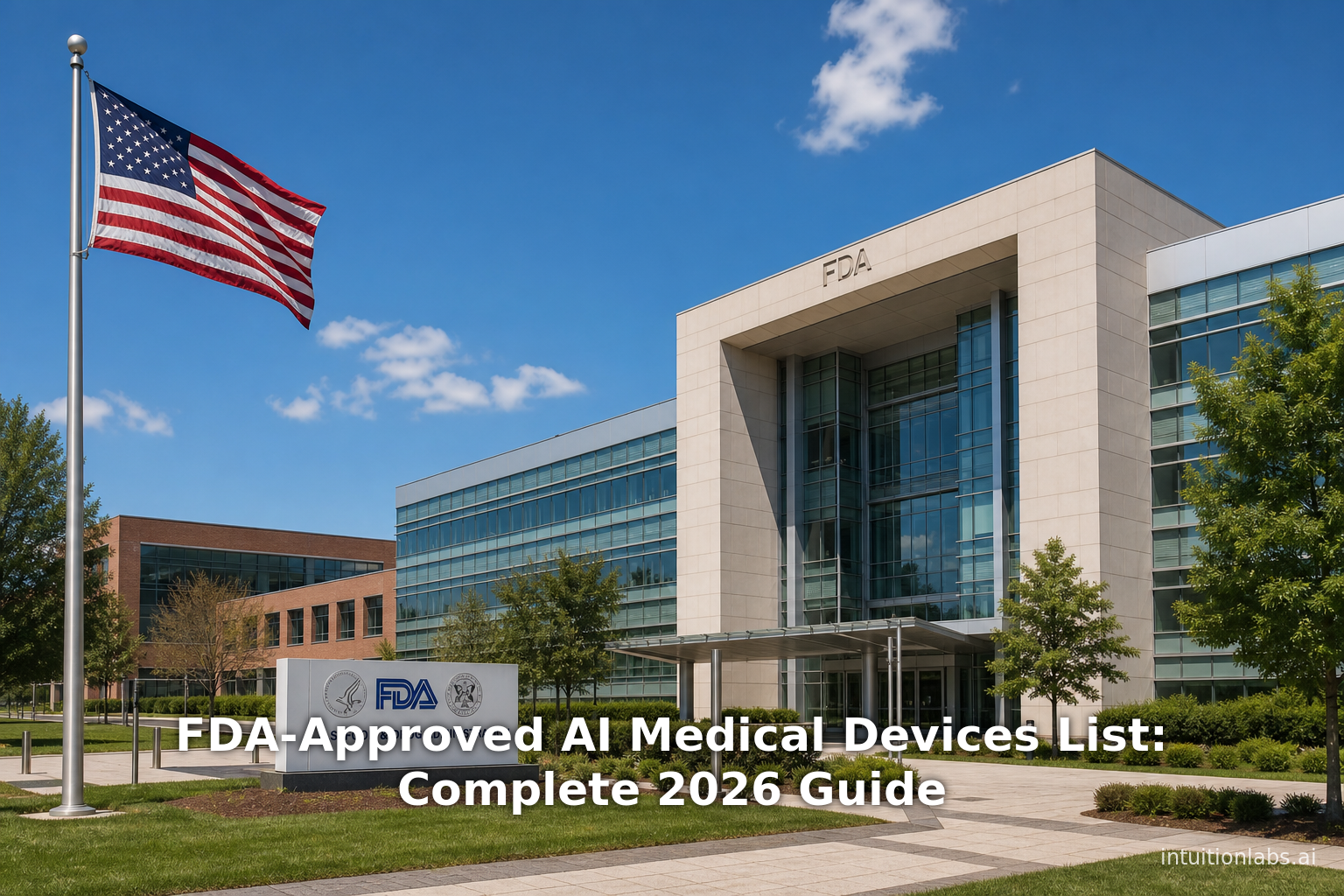
As of the September 2026 update, the FDA's AI-Enabled Medical Device List contains 1,614 entries. Radiology continues to dominate this landscape, accounting for 76 percent of these clearances. The 510(k) pathway remains the primary route for these devices, with De Novo pathways used for novel devices lacking a predicate.
On the radar
European AI Healthcare Market Growth
A new market forecast published on October 16, 2026, projects that the Europe Digital Healthcare Supply Chain Management market will grow at a 7.9% CAGR through 2033. The growth is driven by the adoption of cloud-based platforms, AI, and automation to improve visibility and compliance in healthcare logistics.
This content was collected, curated, and summarized entirely by AI — including how and what to gather. It may contain inaccuracies. Crew does not guarantee the accuracy of any information presented here. Always verify facts on your own before acting on them. Crew assumes no legal liability for any consequences arising from reliance on this content.
Powered by
