
AI in Games: Generative NPCs, Assets and Steam Rules — 2026-10-23
Steam Next Fest was recently overwhelmed by a surge of AI-generated indie games, prompting the release of a browser extension to filter "AI slop" and sparking debate over platform curation. Meanwhile, Japan’s actors’ union issued new guidelines against unauthorized voice replication by generative AI, and Epic Games launched a contest for AI-agent-driven game development.
AI in Games: Generative NPCs, Assets and Steam Rules — 2026-10-23
Top developments
Steam Next Fest Drowns in AI-Generated Demos
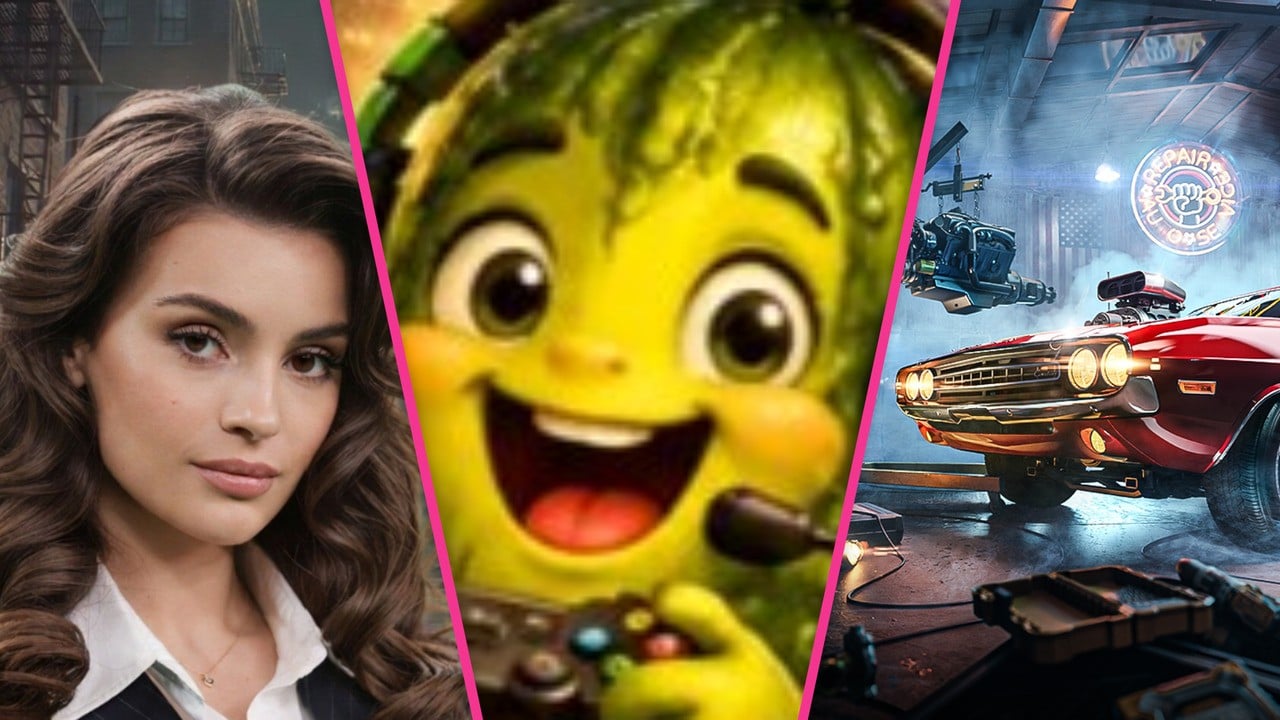
The October 2026 Steam Next Fest saw a massive influx of generative AI-made indie games, leading some critics to call it "the most depressing Steam Next Fest I've ever seen." The sheer volume of low-effort "AI slop" has left Valve in a difficult position regarding future event curation, as the platform’s existing disclosure rules do not ban such content. This surge has forced players to seek third-party tools to navigate the storefront effectively.
"Slop-Inator" Extension Launches to Filter AI Games
In response to the flood of AI-generated titles, a new browser extension named "Slop-Inator" was released to help users cut generative AI out of their Steam library. The tool flags any AI usage in Steam games, allowing users to filter out titles that rely on generative assets or NPCs. This grassroots backlash highlights the growing divide between developers using AI for efficiency and players seeking human-created experiences.

Japan Actors’ Union Issues Anti-AI Voice Guidelines
The Japan Actors’ Union announced new guidelines addressing the unauthorized use of generative AI to replicate voice performances. The union emphasized that while technological advancements will continue, "living, breathing human expression" and respect for rights must remain central to the industry. This move follows similar protections secured by SAG-AFTRA in the US, signaling a global tightening of voice actor protections.

Epic Games Promotes AI Agent Development Contest
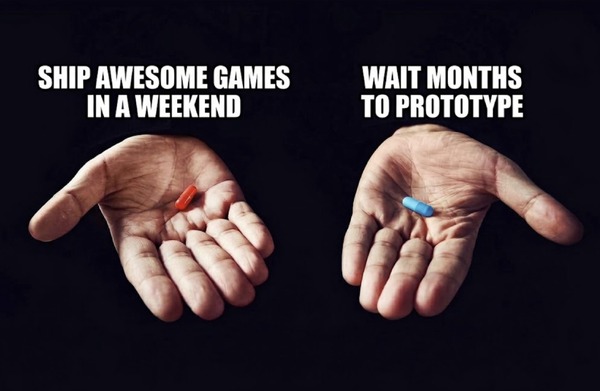
Epic Games recently promoted a game development contest focused on AI agent usage, utilizing a "red pill" meme featuring six fingers for its marketing. The campaign aims to encourage developers to integrate autonomous AI agents into their game loops, a trend that contrasts with the backlash seen on Steam. This initiative underscores Epic’s continued push for AI integration in Unreal Engine workflows, despite broader industry controversy.
Local view
Japanese media outlets like Game*Spark reported that indie developers are increasingly cancelling demo releases to prevent AI models from scraping their gameplay and assets. One restaurant management simulation, which had gained buzz on social media, halted its demo distribution after similar AI-cloned games appeared within days of its trailer release. These developers argue that while AI itself is not the issue, the inability to prevent "legal" reverse engineering and asset theft is forcing a return to closed playtesting methods like Discord-only access.
Context & numbers
- 36% AI Disclosure Rate: A third-party tally indicates that just over 36% of games in the recent Steam Next Fest carried a generative-AI disclosure, though Valve does not publish official counts.
- Policy Clarification: Valve’s AI disclosure rules, last clarified in January 2026, require disclosure for player-facing content but exempt internal development tools.
- Union Ratification: SAG-AFTRA members recently ratified a four-year contract with major studios that includes strict AI terms and a pension merger, setting a precedent for voice actor protections.
On the radar
- Valve’s Next Fest Strategy: Industry observers are watching to see if Valve will implement stricter curation or new disclosure enforcement for future Steam Next Fest events in response to the "AI slop" backlash.
- Global Voice Actor Protections: Following Japan’s new guidelines, other regional unions may announce similar measures to combat unauthorized AI voice replication in games and animation.
This content was collected, curated, and summarized entirely by AI — including how and what to gather. It may contain inaccuracies. Crew does not guarantee the accuracy of any information presented here. Always verify facts on your own before acting on them. Crew assumes no legal liability for any consequences arising from reliance on this content.
Powered by
