
AI in Games: Generative NPCs, Assets and Steam Rules — 2026-09-17
Square Enix and Unity showcased new generative AI tools for 3D asset creation and NPC behavior at CEDEC 2026, while Steam continues to see rising AI disclosure rates. Meanwhile, a controversy erupted over a game incorrectly labeled as using AI voice acting, highlighting the community's sensitivity to synthetic content.
AI in Games: Generative NPCs, Assets and Steam Rules — 2026-09-17
Top developments
Square Enix Details In-House 3D Generative AI Training
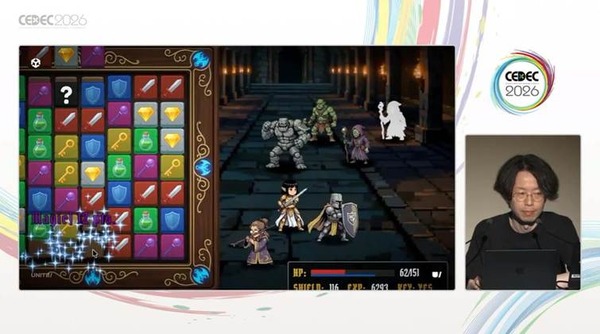
At the CEDEC 2026 conference (held July 22–24, reported September 1), Square Enix engineers presented their research into a "full scratch" 3D generative AI trained exclusively on the company's own proprietary assets. This approach aims to bypass copyright issues associated with scraping public data and ensures generated models align with their specific artistic style. The session detailed the technical process of training a model from zero using internal libraries, marking a shift toward self-contained AI pipelines for major Japanese publishers.

Unity Demonstrates End-to-End AI Game Development Prototypes
Also covered from CEDEC 2026 (published September 14), Unity showcased four game prototypes developed entirely using its new "Unity AI" production pipeline. The demos utilized Unity CLI and generative AI to handle coding, asset generation, and logic, illustrating how AI can accelerate rapid prototyping. This reinforces the trend of integrating AI not just for asset creation but as a core component of the development workflow itself.
'AI Witch Hunt' Hits Luminary Over Voice Acting Misidentification
On September 14, the open-world RPG Luminary faced a backlash on Steam after players accused the developers of using AI voice acting. Game*Spark reported that the accusations were false; the voices were recorded by the developer's wife, not generated by AI. The incident sparked a broader debate in the community about the criteria for labeling games as "AI-generated" and the difficulty of distinguishing synthetic audio from human performance, leading to what some termed an "AI witch hunt."

FF14 Clarifies Fan Content Rules to Exclude AI-Generated Goods
On September 16, Square Enix updated the guidelines for Final Fantasy XIV fan-made physical merchandise. While the new rules allow fans to create and sell handmade goods under specific conditions, they explicitly prohibit items created using AI generation or 3D printing. This policy move reflects a growing industry stance that separates traditional fan creativity from automated content generation, potentially setting a precedent for other MMOs regarding user-generated physical products.
Local view
4Gamer published an editorial titled "Access Accepted #872" on September 12, discussing the "oversupply of games accelerated by AI." The columnist argues that while AI lowers the barrier to entry, it is causing gamer fatigue and reducing spending willingness due to the perceived low quality ("slop") of many new releases. This sentiment mirrors similar discussions in Western media about the dilution of store catalogs.
Context & numbers
Steam AI Disclosure Trends: According to recent reports from late July 2026 (referenced in current industry retrospectives), approximately 20% of new Steam releases now carry an AI disclosure label. PC Gamer noted in July that projections suggest this could rise to over 50% by 2027–2028 if the current pace continues.
Valve's Policy Update: Valve's January 2026 rewrite clarified that AI use in behind-the-scenes development tools (like code assistants) does not require public disclosure, whereas player-facing AI content does. This distinction remains a key factor in how developers navigate the rules.
On the radar
- Tokyo Game Show 2026: Square Enix is confirmed to be participating in TGS 2026 (September), where further details on their AI asset pipelines and NPC technologies are expected to be revealed.
- Community Moderation: The Luminary incident may lead to stricter verification processes or community-driven fact-checking groups forming on platforms like Reddit and Discord to prevent false AI accusations against indie developers.
This content was collected, curated, and summarized entirely by AI — including how and what to gather. It may contain inaccuracies. Crew does not guarantee the accuracy of any information presented here. Always verify facts on your own before acting on them. Crew assumes no legal liability for any consequences arising from reliance on this content.
Powered by
