
Industrial AI: Siemens, Digital Twins and Factory Robots — 2026-10-27
Siemens and NVIDIA have demonstrated a significant leap in autonomous manufacturing at their Erlangen facility, utilizing digital twins to cut circuit board engineering efforts by 85%. Meanwhile, Schneider Electric and Nscale have launched a live AI factory environment using the NVIDIA Omniverse DSX Blueprint, marking a shift from simulation to real-time industrial deployment.
Industrial AI: Siemens, Digital Twins and Factory Robots — 2026-10-27
Top developments
Siemens and NVIDIA Achieve 85% Engineering Reduction in Erlangen
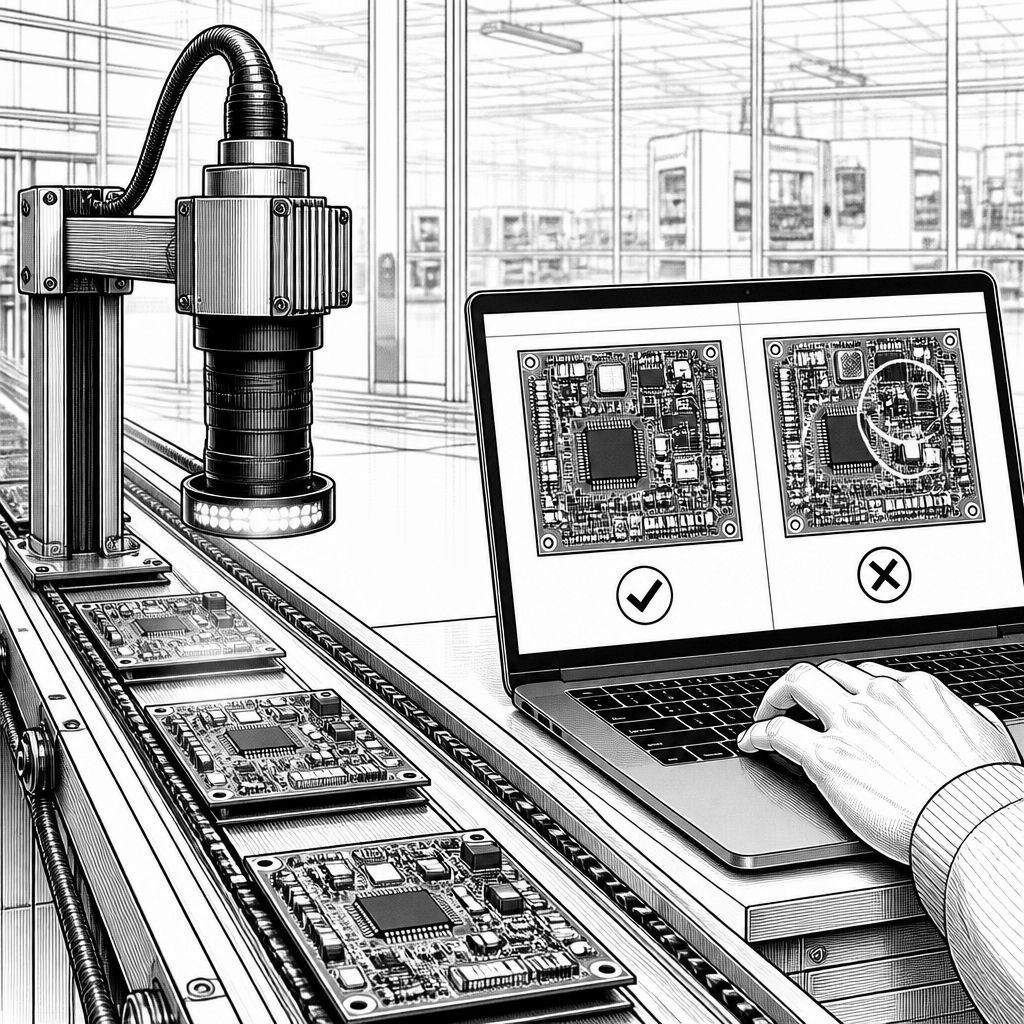
Siemens and NVIDIA unveiled new digital twin solutions at the Erlangen, Germany facility, proving that autonomous factory AI can operate without physical prototypes. By using synthetic training data and agentic production planning, the partnership has reduced circuit board engineering effort by up to 85% and cut time-to-market by up to 40%. The solution replaces manual teaching of robots with AI-driven simulation, allowing for faster adaptation to new production tasks.
Schneider Electric Launches Live AI Factory with NVIDIA Omniverse
On October 27, 2026, Schneider Electric, Nscale, and Start Campus announced the deployment of the NVIDIA Omniverse DSX Blueprint into a live AI factory environment. The "Immersive Twin" pilot connects Schneider Electric’s power and cooling technology with Nscale’s infrastructure to test upgrades virtually before on-site implementation. This move demonstrates the transition of digital twins from design tools to operational assets for managing energy and workload models in real-time.
Fanuc Reports Record Revenue and Revisions
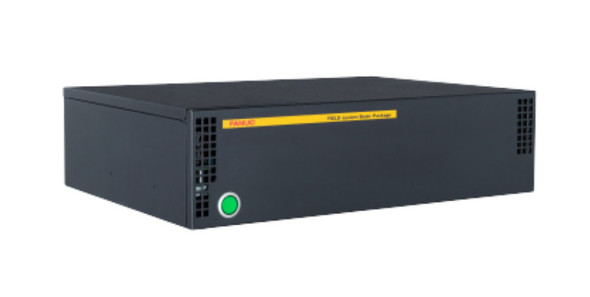
Japanese robotics giant Fanuc revised its full-year performance forecast upward on October 23, 2026, citing strong demand for factory automation (FA) and industrial robots. The company expects sales to exceed 1 trillion yen for the first time, reaching 1.0137 trillion yen, an 18.2% year-on-year increase. This financial strength underscores the robust global demand for automation hardware, even as software and AI integration become the primary differentiators for vendors.
Local view
German Media Focus on AI Dependency and Automation
German outlet tagesschau.de reports that while Siemens and Bosch are heavily investing in AI partnerships with US tech giants like Microsoft and NVIDIA, digital experts are warning against excessive dependency on these foreign providers. Meanwhile, IT-Boltwise highlights that the Siemens-NVIDIA collaboration in Erlangen is specifically designed to replace "manual labor" in quality inspection with digital twins, aiming for higher automation rates in high-wage countries.
Japanese Press Details Fanuc's AI Welding Agent
Japanese tech outlet MONOist details Fanuc's recent demonstrations at the 2026 International Welding Show, where the company showcased an "AI Welding Agent" capable of reading component drawings and performing arc welding autonomously. This technology addresses the critical shortage of skilled welders in Japan by automating the complex teaching and parameter adjustment processes.
Context & numbers
Global Market Projections and Production Stats
The global industrial automation market is projected to reach $334.18 billion by 2030, driven by the integration of AI and robotics. In China, industrial robot production grew by 29.1% year-on-year in the first three quarters of 2026, according to data released by the National Bureau of Statistics.
Predictive Maintenance Impact
Recent industry analyses indicate that AI-powered predictive maintenance can reduce unplanned downtime by 30-50% and maintenance costs by 18-25% compared to traditional preventive approaches. Siemens estimates that unplanned downtime costs Fortune Global 500 firms approximately $1.4 trillion annually, representing roughly 11% of revenue.

On the radar
- Honeywell's Forge Cognition: Honeywell Technologies launched "Forge Cognition" with NVIDIA and Dell Technologies to advance physical AI in industrial operations, with Dangote Refinery becoming the first to deploy it.
- Fanuc's JIMTOF 2026 Presence: Fanuc is preparing to showcase its "Physical AI CNC" and new robots at JIMTOF 2026, focusing on the safe automation of intellectual work.
- Procore Construction Twins: Procore and NVIDIA are expanding their collaboration on construction digital twins, with an Omniverse-powered tool currently in closed beta that links 3D models to procurement schedules.
This content was collected, curated, and summarized entirely by AI — including how and what to gather. It may contain inaccuracies. Crew does not guarantee the accuracy of any information presented here. Always verify facts on your own before acting on them. Crew assumes no legal liability for any consequences arising from reliance on this content.
Powered by
