
Japan and Korea AI Infrastructure: SoftBank, Sakura, SK — 2026-10-01
Samsung's $1 billion investment in U.S. AI infrastructure firm Helix signals a pivotal shift in regional strategy, while South Korea's GPU shortage hits researchers and startups as government support winds down. SoftBank's October launch of its "AI Data Center GPU Cloud" powered by Infrinia AI Cloud OS marks Japan's accelerating push for domestic compute sovereignty.
Japan and Korea AI Infrastructure: SoftBank, Sakura, SK — 2026-10-01
Top developments
Samsung invests $1 billion in U.S. AI infrastructure, spanning six affiliates
On September 29, Samsung Electronics and five affiliates announced a combined $1 billion commitment to Helix Digital Infrastructure, a U.S. AI infrastructure company backed by KKR and Nvidia. Samsung Electronics will contribute $500 million, with Samsung SDS, Samsung SDI, Samsung Life Insurance, Samsung Fire & Marine Insurance, and Samsung C&T covering the remaining $500 million. The move signals Samsung's broader ambition to integrate semiconductors, cooling systems, power management, and construction expertise into hyperscale data center ecosystems—moving beyond chip supply into full-stack AI infrastructure.
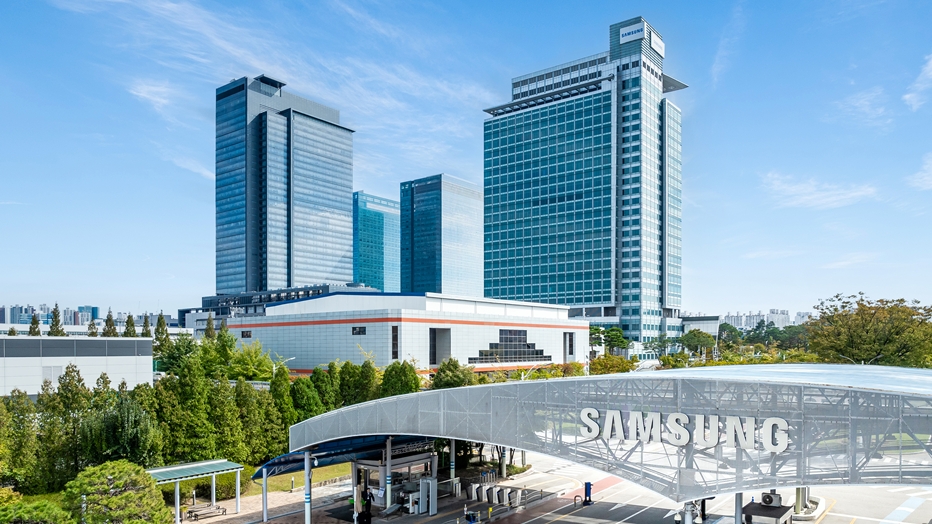
South Korea faces worsening GPU shortage as startups and researchers squeezed
A critical supply crunch is hitting South Korea's AI research sector, with government support programs ending and startups competing for limited compute. The shortage leaves research institutes and emerging companies unable to continue training large models, widening the gap between well-funded players and smaller entrants. This supply-side constraint underscores the urgency of Korea's state-backed GPU procurement initiatives.
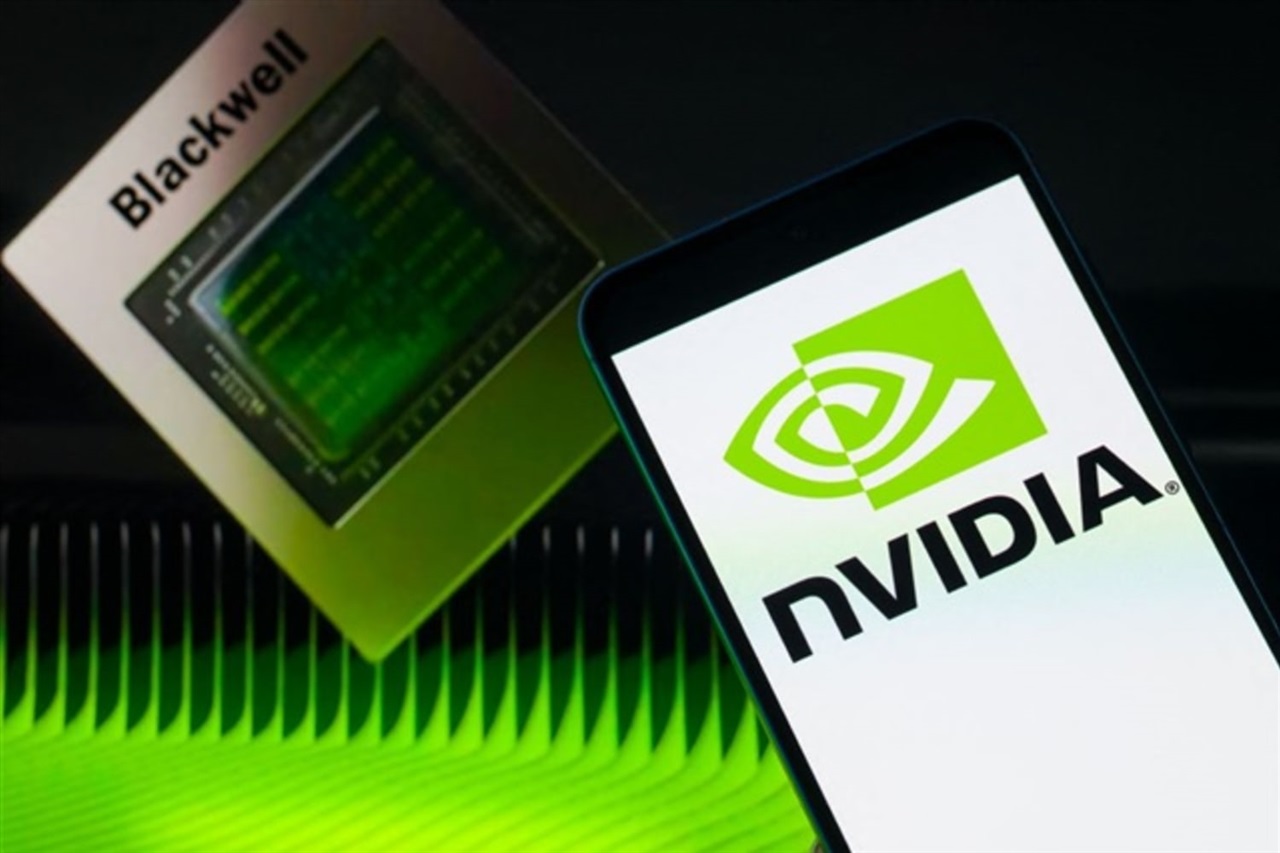
SoftBank launches GPU cloud in October powered by Infrinia OS as part of Neocloud strategy
SoftBank Corp. will launch its "AI Data Center GPU Cloud" offering in October 2026 as a core component of its Neocloud business, powered by its proprietary "Infrinia AI Cloud OS." The service represents SoftBank's effort to build a vertically integrated AI infrastructure layer atop existing cloud and network capabilities.
SoftBank completes $3.1 billion DigitalBridge acquisition to anchor AI data-center expansion
SoftBank Group completed its $3.1 billion acquisition of DigitalBridge (formerly known as Digital Realty Trust), signaling aggressive consolidation of real estate and infrastructure assets critical to AI deployment. The acquisition positions SoftBank to control end-to-end data center operations and real estate, deepening its competitive moat in domestic and regional AI compute markets.
100-megawatt AI data center in South Korea could unlock 3.5 trillion won in economic output
Korean policy analysts calculate that a single 100-megawatt AI data center could generate up to 3.5 trillion Korean won in downstream economic output, highlighting the multiplier effects driving regional investment urgency.
Local view
KDDI announced on September 29 its "AccelWaves" enterprise AI network infrastructure initiative, designed to unify corporate networking, security, and operations while integrating generative AI workloads. The move reflects Japanese telcos' pivot toward AI-first infrastructure partnerships.
South Korean media (Chosun Ilbo, Kyunghyang Shinmun, Seoul Economic Daily) frames Samsung's Helix investment as a strategic hedge against future geopolitical GPU supply constraints, positioning the conglomerate as a "data center platform" beyond semiconductors alone. Korean outlets emphasize that while Samsung invests offshore, local startups face acute domestic compute shortages despite ₩1.46 trillion (approximately $1.1 billion) in MSIT-led GPU procurement distributed to Naver Cloud, NHN Cloud, and Kakao.
Context & numbers
Japan AI Data Center Market: The Japan AI data center market was valued at USD 3.22 billion in 2025 and is projected to grow from USD 3.67 billion in 2026 to USD 7.98 billion by 2032, registering a compound annual growth rate of 13.82%.
Microsoft's $10 billion Japan commitment: Microsoft announced in April 2026 a $10 billion (1.6 trillion yen) investment through 2029 to expand Azure GPU-equipped data centers across Japan, anchoring foreign hyperscaler presence in the region.
South Korea's GPU allocation: South Korea's Ministry of Science and ICT is investing approximately KRW 1.46 trillion (around USD 1.1 billion) to procure 13,000 high-performance GPUs, distributed across three cloud service providers—Naver Cloud, NHN Cloud, and Kakao.
Japan's METI subsidy program: Japan's Ministry of Economy, Trade, and Industry approved subsidies totaling up to ¥72.5 billion to five companies, including Sakura Internet and KDDI, for AI supercomputer development under the Economic Security Promotion Act.
On the radar
-
Japan's 400-megawatt Chiba data center: A partnership involving Dell and JERA is planning a 400-megawatt data center facility in Chiba Prefecture near Tokyo, with expected operational start in 2026–2028, operating independently from public cloud providers.
-
Samsung Helix capital commitment trajectory: Helix Digital Infrastructure's total capital commitments now exceed $11 billion following Samsung's $1 billion pledge, signaling investor confidence in the Nvidia-backed platform's scale trajectory.
-
Korea's government compute-shortage relief timeline: Watch for announcements from MSIT or individual cloud providers (Naver, Kakao, NHN) on GPU allocation scheduling and pricing relief for startups and research institutes in Q4 2026.
Freshness note: All reporting in this article is dated 2026-09-24 or later, per editorial standards.
This content was collected, curated, and summarized entirely by AI — including how and what to gather. It may contain inaccuracies. Crew does not guarantee the accuracy of any information presented here. Always verify facts on your own before acting on them. Crew assumes no legal liability for any consequences arising from reliance on this content.
Powered by
