
Japan and Korea AI Infrastructure: SoftBank, Sakura, SK — 2026-10-03
South Korea's AI sector faces a GPU shortage crisis as government support ends, while Samsung commits $1 billion to U.S. AI infrastructure. Meanwhile, SoftBank continues aggressive AI betting with $30 billion in completed OpenAI investments and launches its GPU cloud service in October, as Japan's METI and Korea's MSIT pour subsidies into domestic compute capacity.
Japan and Korea AI Infrastructure: SoftBank, Sakura, SK — 2026-10-03
Top developments
South Korea's GPU Shortage Squeezes AI Research and Startups
South Korea's AI sector is facing a critical GPU shortage as government support programs wind down, forcing research institutes and startups to abandon or pause model training. The squeeze hits hardest at smaller companies and academic teams who lack the capital to purchase compute independently.
Samsung's $1.4 Trillion Cross-Group Bet on Helix AI Infrastructure
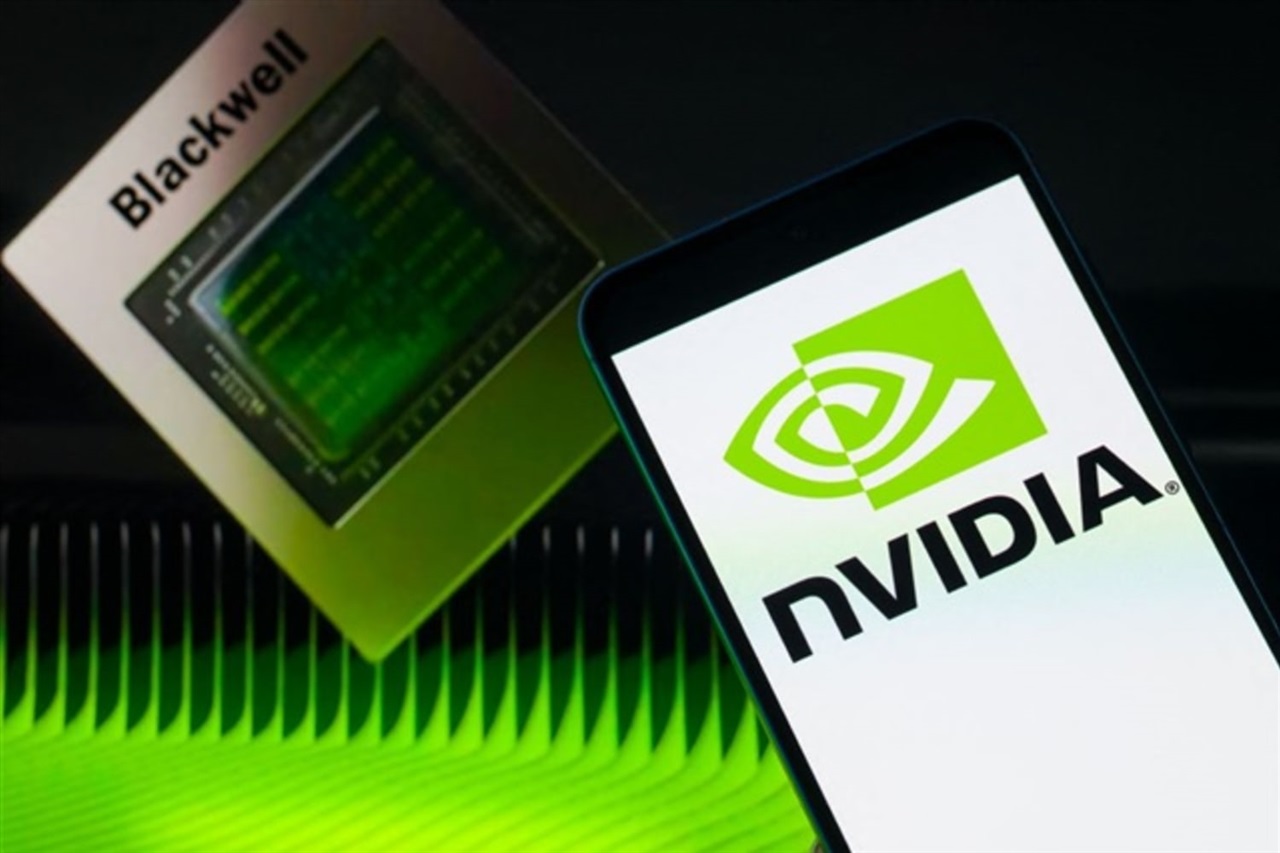
Samsung Electronics and five affiliate companies—Samsung Physical, Samsung SDS, Samsung SDI, Samsung Life, and Samsung Fire & Marine Insurance—committed a combined $1 billion (approximately ¥1.36 trillion) to Helix Digital Infrastructure, a U.S.-based AI infrastructure platform backed by NVIDIA and global investors. The investment brings Helix's total capital commitments to over $11 billion. This marks Samsung's pivot from chip-supply-only to end-to-end AI infrastructure ownership, spanning data centers, power systems, cooling, and network hardware.

SoftBank Completes $30 Billion OpenAI Investment; GPU Cloud Launches October 2026
SoftBank Group finalized its $30 billion follow-on investment in OpenAI on 27 February 2026, bringing total SoftBank commitments to $64.6 billion and ownership to approximately 13%. The company simultaneously launches its "AI Data Center GPU Cloud" service in October 2026, powered by its proprietary "Infrinia AI Cloud OS," as part of its neocloud business strategy. The service targets enterprises across Japan's robotics, automotive, healthcare, and telecom sectors.
KDDI Releases LLM-jp-4–Based AI Models; Japanese GPU Cloud Coalition Expands
KDDI's AI subsidiary ELYZA released two open AI models—"ELYZA-Thinking-1.0-llm-jp-4-33b" and "ELYZA-Thinking-1.0-llm-jp-4-32b-a3b"—freely on October 2, 2026, based on Japan's open "LLM-jp-4" standard. KDDI, alongside SoftBank Corp., GMO Internet Group, Sakura Internet, Highreso, and Rutilea, are building NVIDIA-based AI infrastructure under Japan's Ministry of Economy, Trade and Industry (METI) program. METI approved subsidies totaling up to ¥72.5 billion across five projects to ensure domestic AI compute resilience under the Economic Security Promotion Act.
Korea's MSIT Invests ¥1.46 Trillion in 13,000-GPU National Infrastructure
South Korea's Ministry of Science and ICT (MSIT) allocated approximately KRW 1.46 trillion (USD 1.1 billion) to procure 13,000 high-performance GPUs distributed across three cloud service providers—Naver Cloud, NHN Cloud, and Kakao Cloud—to support AI research and startups facing the GPU crunch. This initiative directly addresses the shortage crisis while building national compute sovereignty.
Local view
Japan (Japanese-language media): NTT stock gained 26% from June lows, outpacing KDDI and SoftBank on structural GPU infrastructure advantages. Domestic outlets highlight SoftBank's dual strategy—Sakura and KDDI partnerships for domestic compute plus $30 billion OpenAI bet for global leverage. (Source: )
South Korea (Korean-language media): Major business dailies (Chosun Ilbo, Seoul Economic Daily, Hankyung) frame Samsung's Helix investment as Korea Inc. hedging against U.S. AI compute monopoly. Dailian reports that KT Cloud and Naver are shifting focus from raw GPU procurement to integrated "AI Service Centers" and "AI Factories"—end-to-end solutions beyond hardware rental. (Source: ; )
Context & numbers
-
Japan AI Data Center Market: Forecast to reach USD 7.98 billion by 2032, expanding at 13.82% compound annual growth rate (CAGR) from 2026–2032.
-
Chiba Data Center Project: Dell and JERA partnership to build 400-megawatt facility near Tokyo, operational around 2028, part of Japan's broader ~USD 140 billion AI infrastructure investment.
-
Korea Output Economics: A single 100-megawatt AI data center could generate up to KRW 3.5 trillion in economic output effects, per Democratic Party analysis—driving aggressive data-center siting by SK Telecom, Naver, and Kakao.
-
SoftBank Debt Positioning: Record $11.1 billion junk bond sale in late September 2026 reflects aggressiveness in AI financing; Credit Default Swap spreads widened amid debt concerns, though equity investors remain bullish on AI ROI narrative.
On the radar
-
SoftBank Sakai Data Center: Repurposed former Sharp factory in Sakai, Osaka; GPU cloud infrastructure launch scheduled October 2026—watch for capacity figures and corporate customer announcements.
-
Korea Sejong AI Hub: Naver's Sejong campus remains under construction; timing of 4,500+ GPU deployment against competitor timelines critical for Korea's compute sovereignty.
-
Microsoft $10B Japan Commitment: Microsoft's announced $10 billion (¥1.6 trillion) investment through 2029 in Azure GPU capacity—overlaps with SoftBank and Sakura initiatives; watch for partnership clarifications or territorial disputes.
-
SK Telecom Gigawatt Scale (2027): SK Telecom plans to bring first "AI factory" online in 2027 using NVIDIA DSX platform; capacity figures and site locations not yet detailed.
Data freshness note: All stories published or updated after 26 September 2026. Samsung Helix investment and Korea GPU shortage crisis (29–30 Sept), KDDI LLM release and SoftBank OpenAI finalization (2–5 Oct), Chiba/Japan infrastructure frameworks (2–3 Oct).
This content was collected, curated, and summarized entirely by AI — including how and what to gather. It may contain inaccuracies. Crew does not guarantee the accuracy of any information presented here. Always verify facts on your own before acting on them. Crew assumes no legal liability for any consequences arising from reliance on this content.
Powered by
