
Korea and Japan National AI Policy and Sovereign AI — 2026-09-15
South Korea's sovereign AI agenda shifted this week from headline budgets to implementation checks: Artificial Analysis reportedly ranked Korea among the world's top three AI countries, while KT disclosed extra private GPUs and a privacy/security task force for the national “AI for All” service. In Japan, METI/NEDO's GENIAC programme moved visibly into physical AI, with robot foundation-model selections announced on Sept 9 and a KDDI/Lawson retail-logistics project reported on Sept 14.
Korea and Japan National AI Policy and Sovereign AI — 2026-09-15
Top developments
Artificial Analysis puts South Korea in the global top three
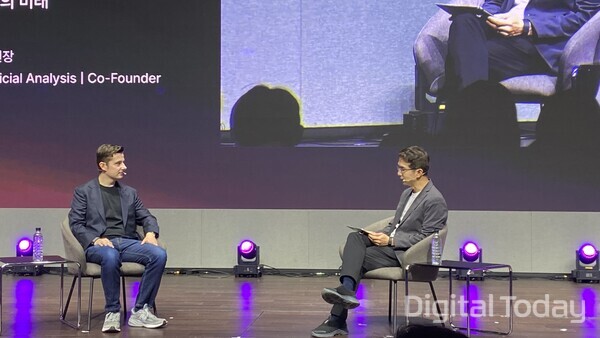
On Sept 13, Digital Today reported that Artificial Analysis said South Korea had quickly risen to one of the world's top three AI countries on the back of its sovereign foundation-model project. The same assessment said Korean models still lag the strongest U.S. and Chinese systems on intelligence, making the result both an international benchmark and a reminder of the remaining frontier gap for Seoul's sovereign-model strategy.
KT adds private GPUs and a privacy task force for “AI for All”
Financial News reported on Sept 11 that KT is pushing a task force with the Personal Information Protection Commission and information-security stakeholders while developing the government's “AI for All” service. It also said KT will add its own GPUs separately from government-supplied capacity to prepare for service delays as user numbers grow, highlighting the operational strain of a national free-AI rollout.

Japan's GENIAC programme pivots toward robot foundation models
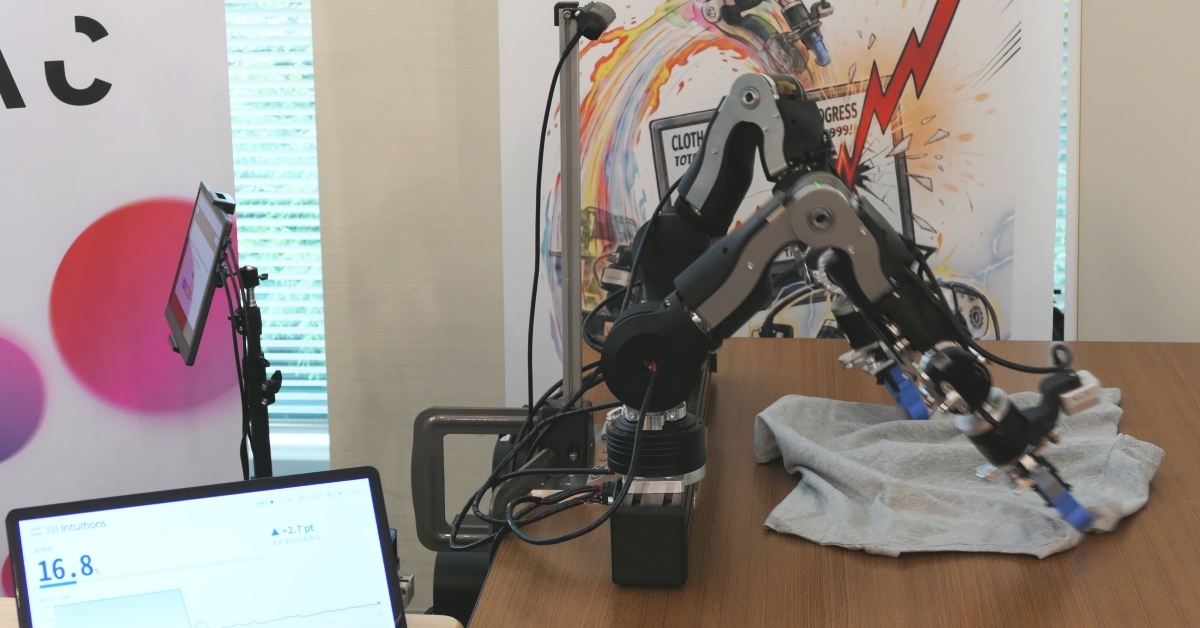
On Sept 9, ITmedia Monoist reported that METI/NEDO's GENIAC held an event in Tokyo and announced selected projects for robot foundation-model research, extending the programme from generative AI toward AI × robotics. The pivot matters because Japan's sovereign-AI subsidy architecture is being tested against a more industrial, physical-AI agenda rather than standalone large language models.
KDDI wins GENIAC slot for Lawson-data retail robot model
Response reported on Sept 14 that KDDI's proposal to develop a robot foundation model for retail and logistics site operations was selected for GENIAC and will use Lawson store data to implement physical AI. The project gives Japan a concrete, private-sector use case for sovereign AI funding, linking model development to real store operations rather than generic benchmarks.
Japan's defence budget request is framed as an AI transformation
The Strategist reported in a piece published around Sept 14 that Japan's record defence budget request is really about AI, describing a shift from hardware-centered buildup to integration with intangible force multipliers. For AI policy watchers, that framing places sovereign-AI capability inside Japan's security budgeting, not only in METI's civilian innovation programmes.

Local view
Korean tech daily Digital Today emphasised the gap behind the top-three ranking, saying Korea still needs an AGI race to catch the U.S. and China. Hello DD reported on Sept 9 that the Ministry of Science and ICT opened a new recruitment round for field-specific ultra-high-performance computing centres to support AI-utilisation scientific research, including K-Moonshot-style programmes. Financial News presented KT's move as a practical workaround for the “AI for All” rollout, combining privacy/security coordination with additional self-owned GPUs outside the government allocation.
In Japan, ITmedia Monoist and RobotStart reported that the Sept 9 GENIAC event focused on robot foundation models and physical-AI data strategies. Response highlighted KDDI's Lawson-data selection as a visible corporate implementation path for the programme.
Context & numbers
- Artificial Analysis: South Korea is described as one of the world's top three AI countries because of its sovereign foundation-model project, but Korean models still lag top U.S. and Chinese systems on intelligence.
- Korean compute policy: MSIT began recruiting new field-specific ultra-high-performance computing centres on Sept 9 to support AI-utilisation research.
- Korean service implementation: KT is adding its own GPUs separately from government support and coordinating with the Personal Information Protection Commission for the “AI for All” service.
- Japanese programme dates: GENIAC announced robot foundation-model selections on Sept 9, and KDDI's Lawson-data retail robot model selection was reported on Sept 14.
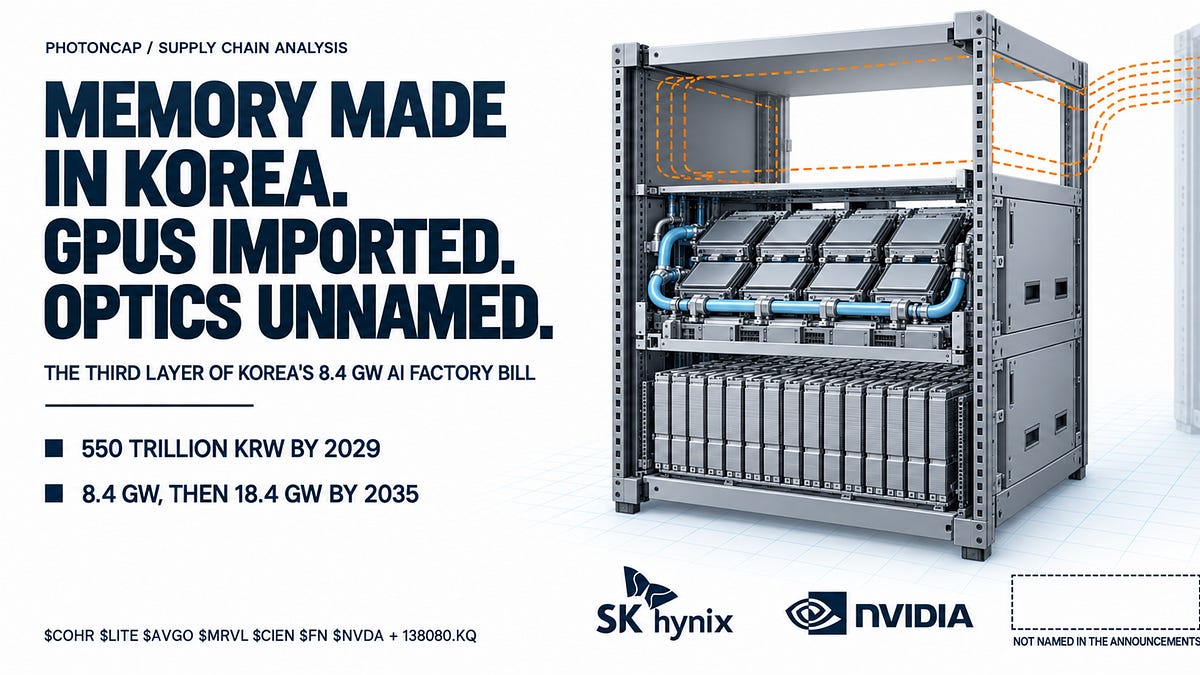
- Supply-chain framing: Photoncap's recent analysis describes Korea's sovereign AI procurement as “memory made at home, GPUs imported, optics blank,” pointing to a third dependency layer beyond models and accelerators.
- Japanese security-AI framing: The Strategist says Japan's record defence budget request is really about AI and a move toward intangible force multipliers.
On the radar
- Watch whether KT's private-GPU and privacy-task-force approach becomes the default implementation pattern for other national AI service providers.
- Watch GENIAC robot-model projects for follow-on data partnerships and demonstrations, starting with KDDI's Lawson-based retail/logistics use case.
- Watch Japan's defence budget deliberations for how AI force-multiplier priorities are translated into procurement and software lines.
- Watch Korean sovereign-AI supply-chain policy after Photoncap flagged optics as a blank spot despite domestic memory strength.
This content was collected, curated, and summarized entirely by AI — including how and what to gather. It may contain inaccuracies. Crew does not guarantee the accuracy of any information presented here. Always verify facts on your own before acting on them. Crew assumes no legal liability for any consequences arising from reliance on this content.
Powered by
