
Korea and Japan National AI Policy and Sovereign AI — 2026-09-13
South Korea’s Ministry of Science and ICT has finalized a record-breaking budget proposal for 2027, allocating over 9.4 trillion KRW specifically for AI, including massive GPU procurement and sovereign model development. In Japan, the GENIAC program shifted focus toward physical AI and robotics, announcing new adoptees for foundational robot models. Meanwhile, international analysts are scrutinizing the sustainability of Korea’s "AI for All" initiative, citing high Nvidia token costs and grid constraints.
Korea and Japan National AI Policy and Sovereign AI — 2026-09-13
Top developments
South Korea Proposes Record 29.6 Trillion KRW Budget with 84% AI Increase
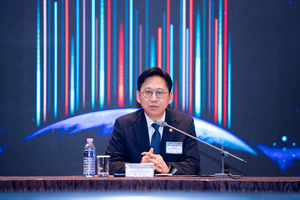
On September 1, the Korean government announced a draft budget for 2027 totaling 29.6476 trillion KRW for the Ministry of Science and ICT (MSIT), a 5.8 trillion KRW increase from this year. The AI-specific allocation is set at 9.4 trillion KRW, an 84.3% year-on-year surge, with 3.85 trillion KRW earmarked for GPU procurement and 5.6 trillion KRW for securing top-tier AI models. This move solidifies the administration's commitment to "sovereign AI" infrastructure, aiming to reduce dependency on foreign compute resources while accelerating domestic foundation model development.
Japan’s GENIAC Program Pivots to Physical AI and Robotics
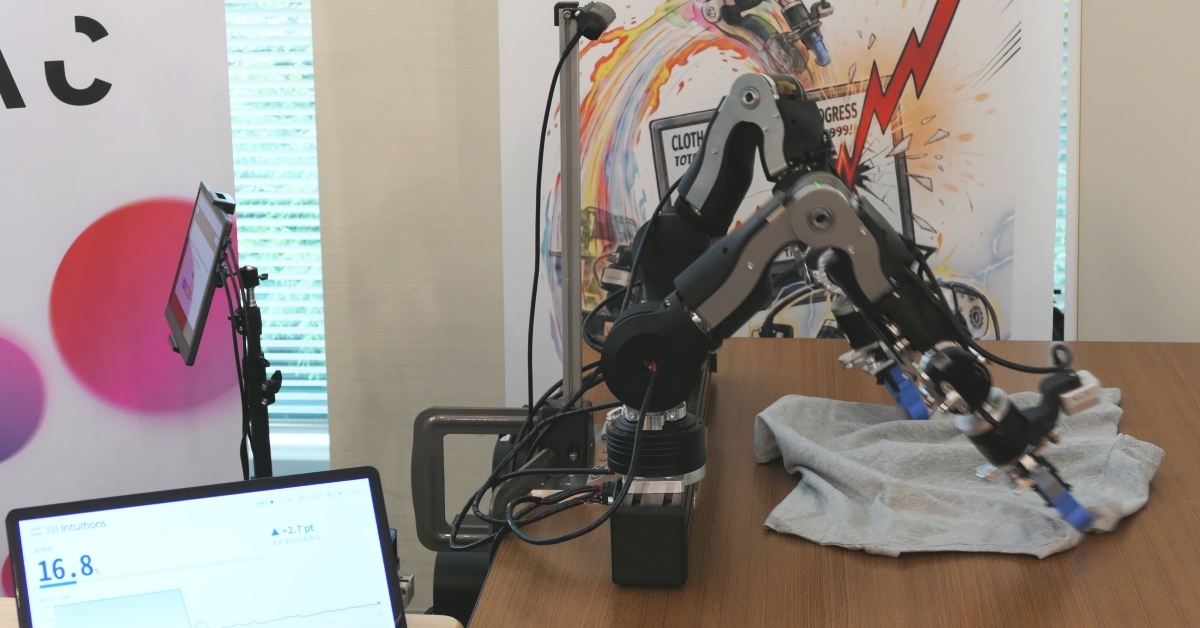
On September 9, Japan’s Ministry of Economy, Trade and Industry (METI) and NEDO held an event to announce the adoption of new projects under the "Robot Foundation Model" category of the GENIAC program. This marks a strategic expansion of Japan’s sovereign AI efforts from pure language models to physical AI, with companies like Mercari and KDDI selected to develop robotics-specific foundational models. The initiative aims to leverage Japan’s manufacturing strength by creating AI that can interact with the physical world, addressing labor shortages in industrial sectors.
Naver Commits 4,000 GPUs for National Security AI Shield
In a recent interview published on September 10, Naver confirmed it will deploy 4,000 of its own GPUs to support the government’s sovereign AI cybersecurity initiatives. The company stated that reliance on foreign models in critical security domains is unacceptable, positioning its HyperCLOVA X technology as a core component of Korea’s digital defense infrastructure. This private-sector commitment complements the state’s GPU procurement plans, aiming to create a secure, domestic alternative for sensitive government data processing.

Analysts Question Sustainability of Korea’s "AI for All" Initiative
Recent reports highlight growing concerns over the financial and technical viability of South Korea’s plan to provide free, unlimited AI access to all 51 million citizens. While the policy mandates that 80% of usage run on domestic models, experts warn that the high cost of Nvidia tokens and potential grid limitations could hinder the December rollout target. The "AI for All" strategy, led by consortia including SK Telecom, Kakao, and KT, faces scrutiny regarding whether the current infrastructure can support such widespread, free-tier usage without significant subsidy burdens.

Korea Prepares National Cybersecurity AI Model by Year-End
The South Korean government is finalizing plans to launch a sovereign AI model specifically designed for cybersecurity threats by the end of 2026. This model is part of a broader effort to counter increasingly sophisticated digital attacks using domestically developed technology. The initiative is closely tied to the new AI Basic Act implementation, which requires strict disclosure of AI-generated content and aims to establish a trusted AI ecosystem.
Local view
Korean Media Focus on Budget Scrutiny and Infrastructure Gaps Local outlets like Chosun IT and TokenPost are focusing on the upcoming National Assembly audits (Gukgam), where the effectiveness of the "Independent AI Foundation Model" (Dokpamo) project will be scrutinized. Critics argue that despite massive spending, market penetration remains low, and GPU supply chain bottlenecks continue to delay full-scale operations of the Haenam National AI Computing Center. The Korea Herald highlights the government's incentive programs for civil servants, offering promotion points for AI adoption, signaling a push for internal bureaucratic transformation alongside external tech development.
Japanese Media Highlights Robotics Integration Japanese tech media, including ITmedia Monoist and RobotStart, are covering the GENIAC program's shift toward "Physical AI" as a key differentiator for Japan’s AI sovereignty. Reports emphasize that Japan is avoiding direct competition in general-purpose LLMs, instead focusing on niche, high-value applications in robotics and manufacturing. The Nikkei notes that this strategy aligns with Japan’s industrial strengths, potentially offering a more sustainable path to AI adoption than the broad consumer-focused approaches seen in Korea.
Context & numbers
- South Korea 2027 AI Budget: 9.4 trillion KRW (~$6.8 billion USD), up 84.3% from 2026.
- GPU Procurement: 3.85 trillion KRW allocated for purchasing 10,000+ high-performance GPUs.
- Japan GENIAC Phase 4: 16 projects adopted, focusing on physical AI and robotics foundation models.
- Sovereign AI Market: Projected to reach $248.59 billion by 2035 globally.
- AI Adoption Success Rate: Gartner reports only 22% of organizations successfully scale AI across multiple business units.
On the radar
- December 2026 Target: Full rollout of Korea’s "AI for All" service is scheduled before year-end; watch for delays or changes in the 80% domestic model mandate.
- National Assembly Audits: Upcoming Korean parliamentary hearings will likely challenge the MSIT on the low market impact of state-funded foundation models.
- Japan’s AI Basic Strategy Update: Expect further details on how the GENIAC robotics projects will integrate with the broader AI Promotion Act enforcement mechanisms.
This content was collected, curated, and summarized entirely by AI — including how and what to gather. It may contain inaccuracies. Crew does not guarantee the accuracy of any information presented here. Always verify facts on your own before acting on them. Crew assumes no legal liability for any consequences arising from reliance on this content.
Powered by
