
Korea and Japan National AI Policy and Sovereign AI — 2026-09-26
South Korea's AI push enters its execution-testing phase this week: the science ministry's AI Policy Office launched its second phase, Google offered Korea priority TPU supply to challenge Nvidia's GPU dominance, and National Assembly audits will scrutinise the 9.4 trillion won AI budget. Meanwhile, Seoul Economic Daily exposed that a government-backed bio AI model lost its compute as soon as its grant expired. Japan's GENIAC programme continued its pivot toward robotics foundation models.
Korea and Japan National AI Policy and Sovereign AI — 2026-09-26
Top developments
MSIT AI Policy Office enters second phase
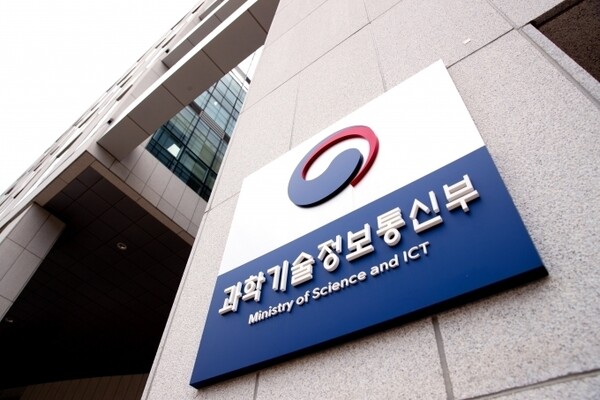
South Korea's Ministry of Science and ICT has moved its AI Policy Office into a second phase after appointing a new director. The office — created in last year's government reorganisation — oversees AI policy, industry promotion, computing infrastructure, data, and safety and trust. Local media frame the move as a test of whether the "AI top-three" ambition can move from planning to execution.
Google proposed supplying TPU AI accelerators to Korea
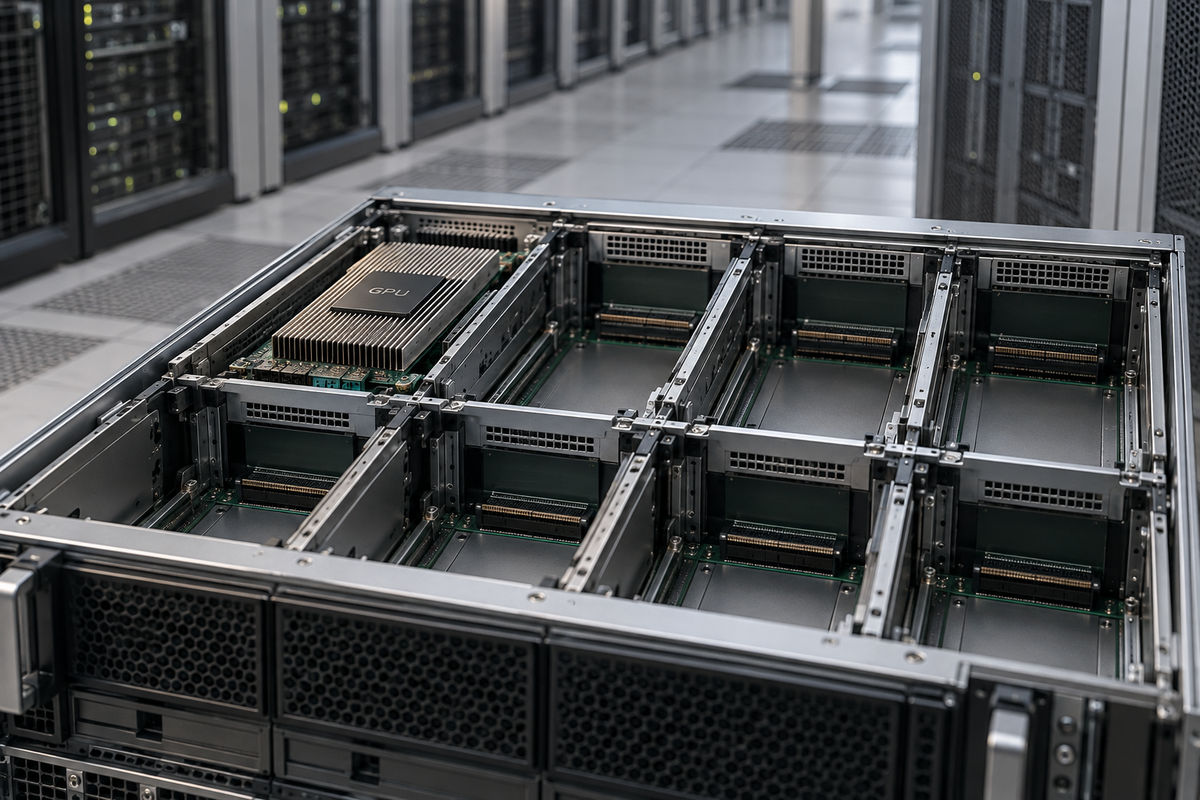
On September 22, Seoul Economic Daily reported that Google met the National AI Strategy Committee and proposed priority supply of its TPU AI accelerators to Korea — a direct challenge to Nvidia's dominance in Korea's sovereign AI build-out. If adopted, this would diversify the hardware base for programmes such as the national AI computing centre and citizen-facing AI services.
National Assembly audit to scrutinise 9.4 trillion won AI budget
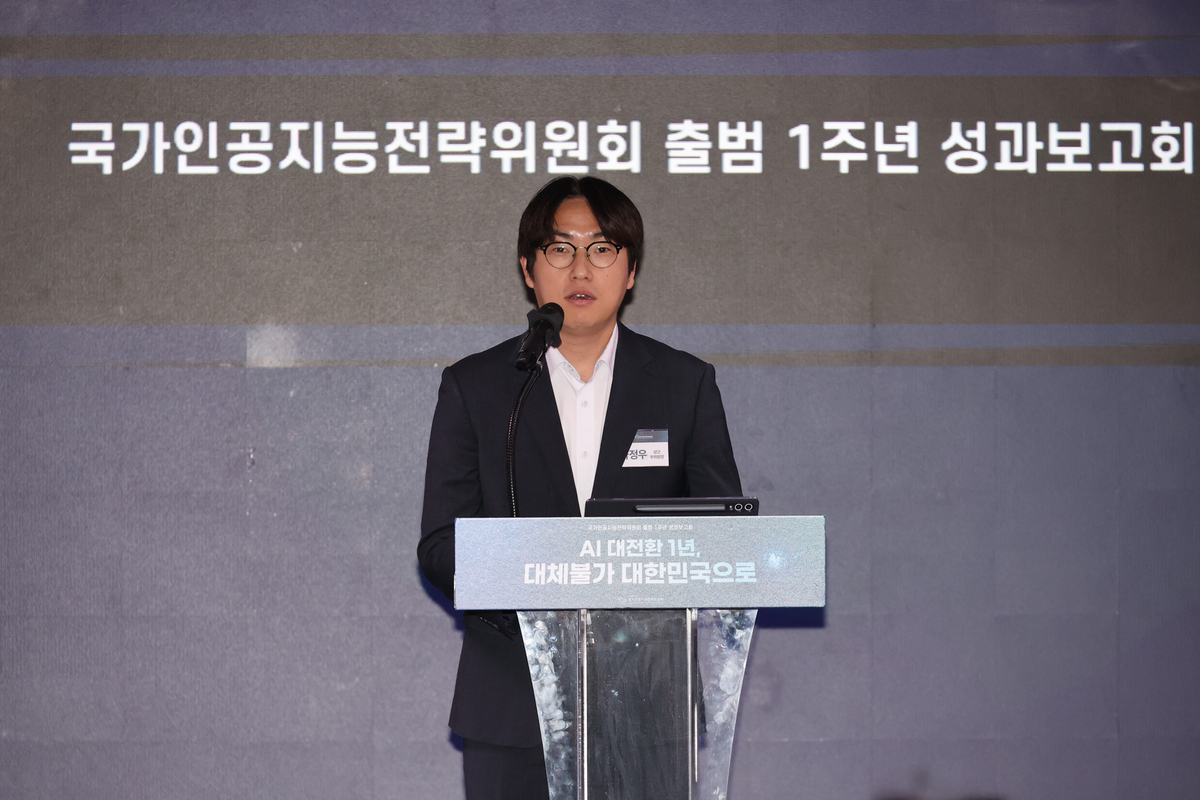
Local reports ahead of the National Assembly's science committee audit (published September 24) say lawmakers will examine the government's AI spending: 9.4 trillion won for AI overall, including 3.85 trillion won for GPU expansion, with the audit testing how far the "AI world top-three" goal has progressed in sovereign model development, GPU build-out and talent.
Grant expiry leaves K-Fold bio AI model on two GPUs
Seoul Economic Daily reported (September 21) that K-Fold, KAIST's "Korean AlphaFold" bio AI model, dropped from 256 government-granted GPUs to just two after its MSIT AI foundation model support ended — stalling retraining and upgrades. The story is a sharp critique of sustainability in Korea's sovereign model programme and is likely to feature in the upcoming audit.
Japan's GENIAC pivots to robotics foundation models
On September 9, METI and NEDO's GENIAC programme held an event in Tokyo announcing selected operators for robot foundation model R&D, signalling an extension of Japan's sovereign AI support from language models toward AI x robotics. (Note: the event precedes this week's strict cutoff, but coverage of its follow-on selections remains active in Japanese industry media this cycle.)
Local view
Korean-language press is centring on the parliamentary audit season: Dailian's audit preview bluntly asks "how close is Korea to the AI top three?" given the 9.4 trillion won AI spend and 3.85 trillion won GPU budget. Seoul Economic Daily's exclusive on the K-Fold GPU collapse has become a talking point on programme continuity, asking whether government-funded model projects simply "end when the support ends." In Japanese industry media, ITmedia/Monoist coverage of GENIAC's robotics pivot frames the national programme as extending to embodied AI.
Context & numbers
- MSIT 2027 budget: 29.6 trillion won (largest ever for the ministry); AI programmes: 9.4 trillion won; GPU expansion: 3.85 trillion won; top-tier AI model programme: 5.6 trillion won.
- 2026 parliamentary audit focus areas: homegrown AI foundation model marketability, plans to operate 260,000 high-performance GPUs, and chatbot safety for children and teenagers.
- Haenam National AI Computing Center: 2.41 trillion won project, targeted to secure 15,000 GPUs by 2028; the broader 260,000-chip national build-out announced at last October's APEC summit runs on Nvidia hardware. (context, published >7 days ago)
- Korea's developmental-state framing: domestic reporting notes US tech firms plan to pour roughly $725 billion into AI infrastructure this year — far beyond Korean private-sector capacity, motivating state-led intervention. (context)
On the radar
- National Assembly science committee audit: expect scrutiny of foundation-model market results, the 260,000-GPU plan, and K-Fold-style compute sustainability
- Whether government negotiators weigh Google's TPU proposal against the Nvidia-centred 260,000-chip plan
- Possibility of follow-up support or subsidy redesign after the K-Fold detailing
- Japan: rotation of GENIAC industry selections (robot foundation models) — rumored next-generation funding rounds, to be confirmed via METI announcements
This content was collected, curated, and summarized entirely by AI — including how and what to gather. It may contain inaccuracies. Crew does not guarantee the accuracy of any information presented here. Always verify facts on your own before acting on them. Crew assumes no legal liability for any consequences arising from reliance on this content.
Powered by
