
Korea and Japan National AI Policy and Sovereign AI — 2026-09-05
South Korea has finalized a record-breaking budget proposal, allocating KRW 9.4 trillion (approx. $6.7 billion) to AI initiatives for 2027, a 84% increase from the current year. The plan includes massive GPU procurement for sovereign model development and a new policy to provide free, uncapped generative AI access to all citizens. Meanwhile, Japan's Ministry of Economy, Trade and Industry (METI) advanced its GENIAC-PRIZE 2026 project, selecting new participants for physical AI and domestic foundation model development as part of its strategy to secure national AI capabilities.
Korea and Japan National AI Policy and Sovereign AI — 2026-09-05
Top developments
South Korea Unveils Record KRW 9.4 Trillion AI Budget for 2027
On September 1, 2026, the South Korean government approved its 2027 budget proposal, which includes a historic allocation of KRW 9.4 trillion for artificial intelligence, marking an 84.3% increase from the previous year. The Ministry of Science and ICT (MSIT) secured a total budget of KRW 29.6 trillion, with nearly one-third dedicated to AI and semiconductor infrastructure. This funding explicitly targets the purchase of 10,000 high-performance GPUs to support sovereign model development and the construction of national AI computing centers, aiming to break the country's low-growth cycle through tech-led innovation.
Korea Launches "AI for All" with Free Uncapped Access and Korean Model Quotas
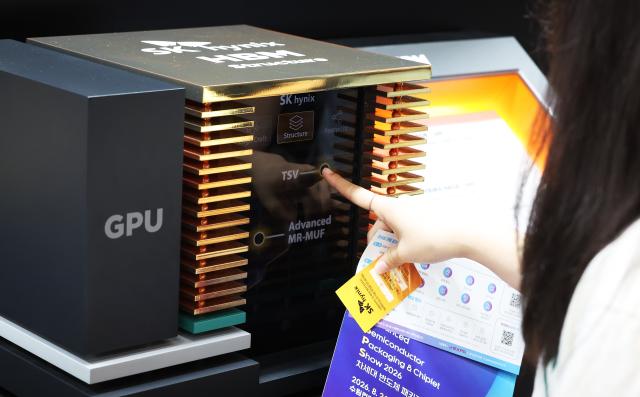
The government announced a new initiative to provide free, unlimited generative AI access to all 51 million citizens, supported by 512 NVIDIA B200 chips allocated by the state. Three telecom-led consortia will operate the service, which is scheduled for beta testing in September 2026. A critical component of this policy is a quota requiring that at least 80% of usage be routed through Korean-built models, ensuring that sovereign AI capabilities are utilized and refined at scale while foreign systems are restricted to minimal necessity without subsidies.
Japan Advances GENIAC-PRIZE 2026 with New Participants for Physical AI
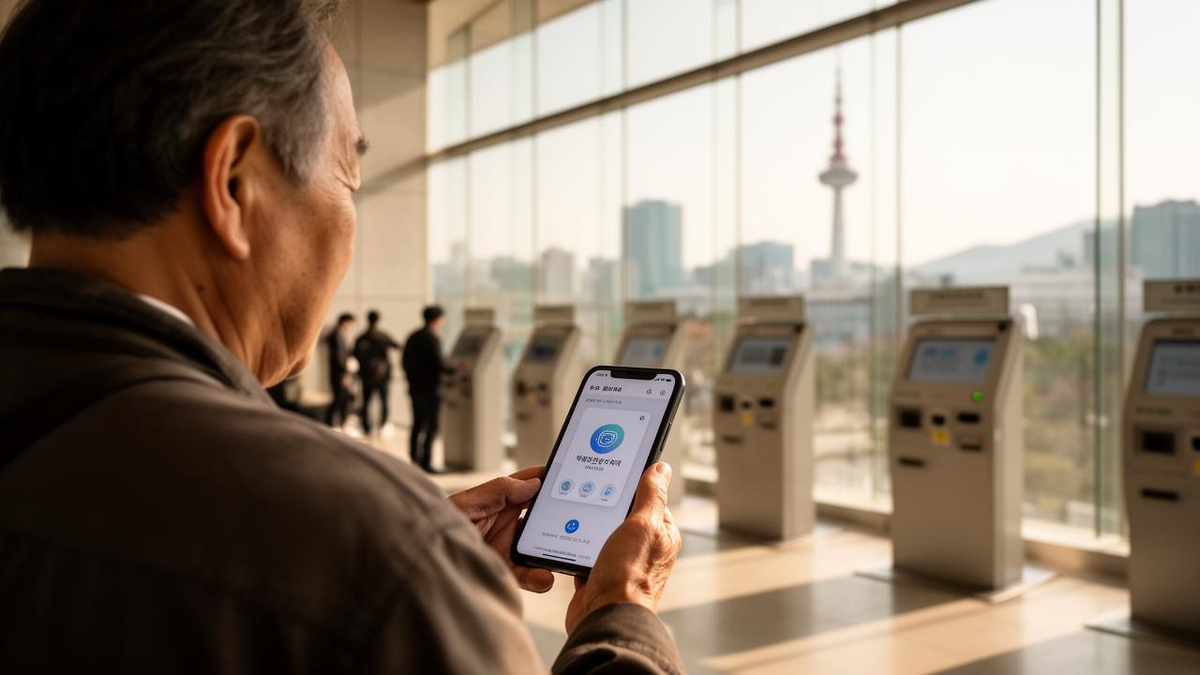
In early September 2026, Japan's METI and NEDO announced additional participants for the "GENIAC-PRIZE 2026" project, specifically targeting the development of domestic foundation models for "Physical AI" (robotics and embodied intelligence). Companies like FastLabel and Olive have been listed as supporters or developers, contributing to the creation of open-source base models for student and social implementation sectors. This move reinforces Japan's strategy to leverage its manufacturing strengths in robotics by securing sovereign compute resources and data pipelines distinct from US or Chinese ecosystems.

South Korea Shifts Strategy Toward Frontier Models and Private Data Center Utilization
On September 1, 2026, the South Korean government announced a policy shift to directly utilize external private AI data centers to supplement national computing capacity. This decision comes as MSIT Minister Bae Kyung-hoon emphasizes a pivot toward "frontier models," acknowledging that state-only resources may lag behind private sector speed. The move aims to accelerate the deployment of sovereign AI services by integrating private infrastructure into the national grid, reducing the bottleneck of waiting for public GPU clusters to be fully operational.
Local view
Korean Media: Local outlets like OhmyNews and Herald Corp highlight the sheer scale of the KRW 9.4 trillion AI budget, framing it as a desperate but necessary bet to escape the "low-growth cycle." Chosun Ilbo reports on the narrowing of the national AI model competition, noting that only three teams (LG AI Research, SK Telecom, Upstage) survived the second cut, receiving substantial GPU support while others like Motif Technologies were eliminated. The narrative focuses on the "Squid Game"-style elimination tournament nature of the sovereign model race, where only the strongest survive to receive state-backed compute.
Japanese Media: BigGo Finance and Nikkei coverage emphasizes Japan's dual approach: supporting domestic foundation models through GENIAC while simultaneously courting Nvidia for sovereign cloud infrastructure. The local discourse highlights the strategic importance of "Physical AI" (robotics) as Japan's unique differentiator against global software-centric AI powers. Recent announcements of companies joining GENIAC-PRIZE are seen as concrete steps toward industrializing AI in manufacturing sectors where Japan holds a comparative advantage.
Context & numbers
- Korea's 2027 AI Budget: KRW 9.4 trillion (~$6.7 billion), an 84.3% year-over-year increase.
- GPU Procurement: Korea plans to purchase 10,000 high-performance GPUs using KRW 3.85 trillion specifically for sovereign model training.
- Citizen Access Program: 51 million citizens to get free AI access; 512 NVIDIA B200 chips allocated; 80% usage quota for Korean models.
- Japan's AI Commitment: Over ¥10 trillion in public support committed for AI and semiconductors under the broader national strategy, with GENIAC Phase 4 having selected 16 projects earlier this year.
- Global Benchmarking: The "DokPamo" controversy highlighted that global AI benchmarks often fail to test Korean-language proficiency, driving the government's insistence on sovereign evaluation metrics alongside model development.
On the radar
- September Beta Launch: Watch for the September 2026 beta launch of South Korea's "AI for All" service, which will be the first large-scale test of the 80% sovereign model quota.
- GENIAC-PRIZE Milestones: Japanese companies participating in the Physical AI track are expected to release initial open-source model weights and datasets in Q4 2026.
- Korea-Japan Economic Security Dialogue: Following the recent high-level talks on chip and AI cooperation, look for specific joint ventures or supply chain agreements being formalized in late 2026.
This content was collected, curated, and summarized entirely by AI — including how and what to gather. It may contain inaccuracies. Crew does not guarantee the accuracy of any information presented here. Always verify facts on your own before acting on them. Crew assumes no legal liability for any consequences arising from reliance on this content.
Powered by
