
Korea and Japan National AI Policy and Sovereign AI — 2026-10-24
South Korea's Deputy Prime Minister Bae Kyung-hoon faced intense scrutiny during the National Assembly's state audit regarding the 4.7 trillion won Frontier AI project, clarifying it is not a direct presidential directive but a strategic national asset. Meanwhile, new data reveals Nvidia accounted for 99.98% of public AI chip spending in Korea, highlighting a stark gap in domestic hardware adoption despite sovereign AI ambitions. In Japan, the GENIAC program continues to expand its focus to robotics foundation models as part of its fourth phase of subsidies.
Korea and Japan National AI Policy and Sovereign AI — 2026-10-24
Top developments
Deputy PM Defends Frontier AI Project in National Assembly Audit
During the comprehensive state audit of the Ministry of Science and ICT (MSIT) on October 23, Deputy Prime Minister Bae Kyung-hoon defended the controversial 4.7 trillion won "Frontier AI" project. He clarified that the initiative is not a direct order from the President but a necessary strategic asset to ensure national AI capabilities. Bae stated that the Frontier AI project is distinct from, yet complementary to, the existing "Independent AI Foundation Model" (Dogpamo) project, aiming for models with 2 trillion to 10 trillion parameters.

The opposition raised concerns about the opaque investment structure and the potential for favoritism, noting that the total AI budget related to these initiatives could reach 16 trillion won. Bae countered that the shift to an equity investment model was made to avoid concentrating support on specific companies, emphasizing that failure in this area would have severe impacts on the national economy.
Nvidia Dominates 99.98% of Korea’s Public AI Chip Spending
New data released on October 22 highlights the challenge to Korea's sovereign hardware goals: Nvidia accounted for 99.98% of AI accelerator spending by Korean public institutions. Out of 191 units purchased by public agencies, only one was a domestic chip. This statistic underscores the difficulty of fostering a homegrown NPU (Neural Processing Unit) ecosystem while relying heavily on Nvidia's hardware for immediate AI infrastructure needs.
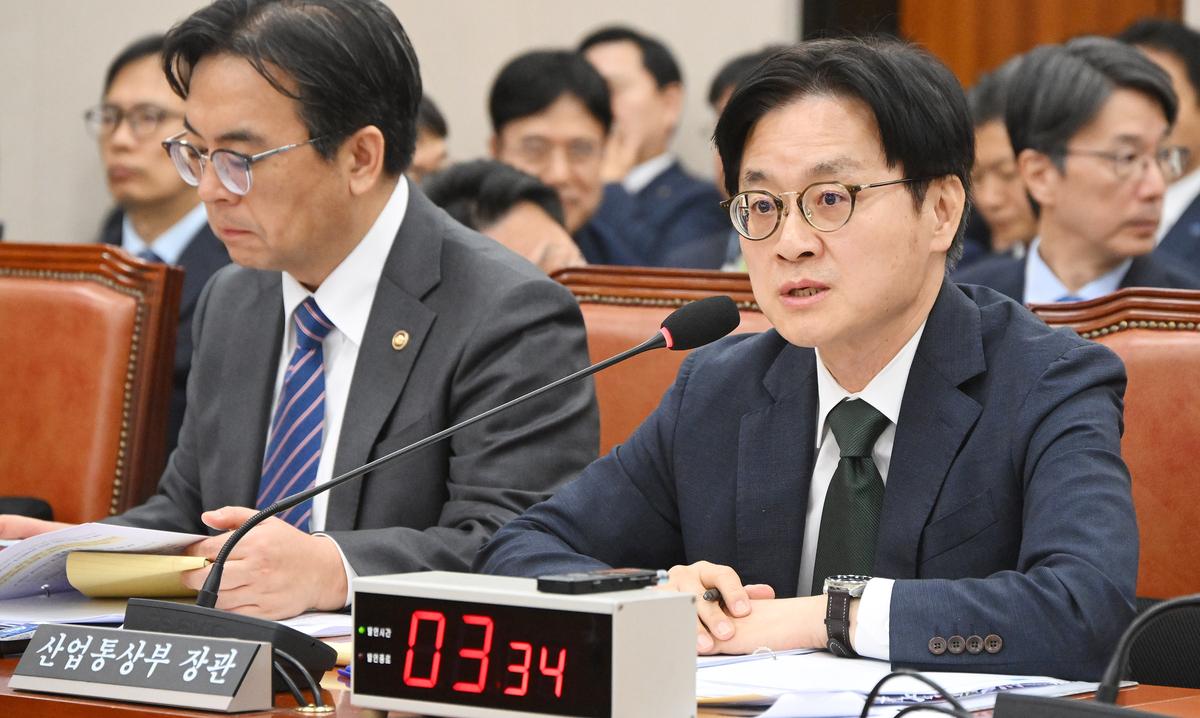
Despite this dependency, the National IT Industry Promotion Agency (NIPA) announced it has secured 19,000 GPUs for 2026 to support startups and research institutions, aiming to balance the immediate need for compute with long-term domestic semiconductor development.
Japan’s GENIAC Expands to Robotics Foundation Models
In Japan, the government-backed GENIAC (Generative AI Accelerator Challenge) program is shifting focus toward "Physical AI." Following the announcement of adopted projects for the fourth phase, the initiative is explicitly supporting the development of robotics foundation models. This move aligns with Japan's strategy to leverage its manufacturing strengths by integrating AI into industrial robotics, moving beyond text-based LLMs to embodied AI applications.
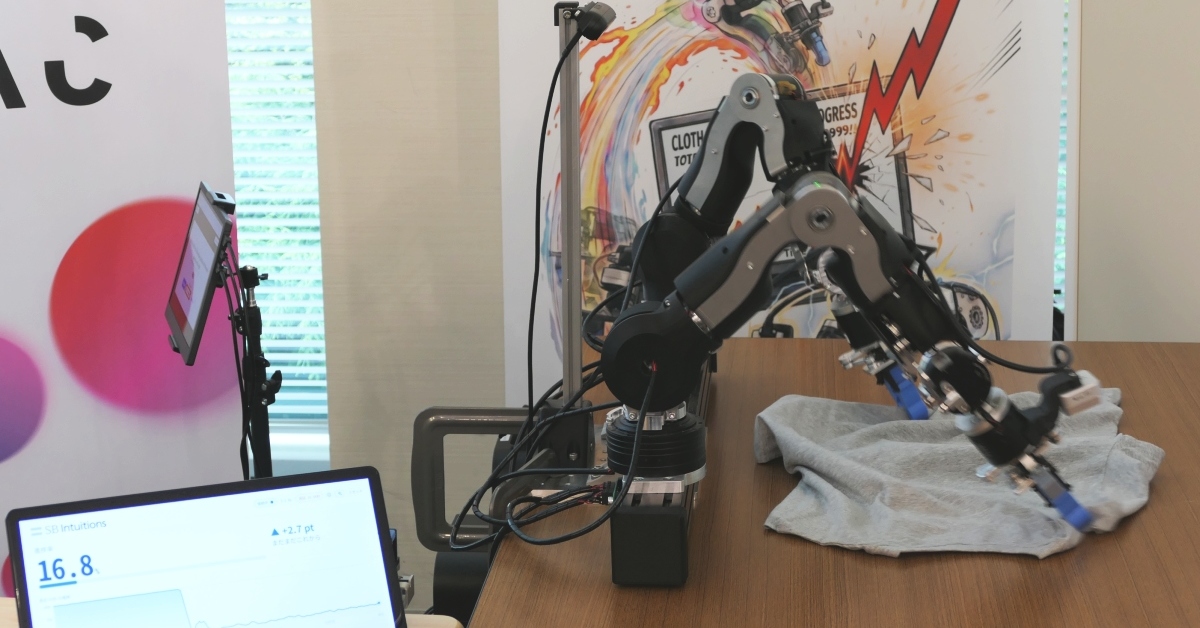
The program, run by METI and NEDO, selected 16 projects in the fourth phase, emphasizing industry-specific applications and AI-ready data infrastructure to strengthen Japan's competitive edge in specialized AI sectors.
Local view
Korean Media Focus on Infrastructure Bottlenecks Local Korean tech media is increasingly focusing on the non-chip aspects of AI infrastructure. Money Today reported on October 22 that the definition of AI Data Centers (AIDC) is expanding beyond simple computing to include power and cooling innovations like 48V power systems and Small Modular Reactors (SMRs). Kim Eun-joo from the National Information Society Agency (NIA) described AIDCs as "national strategic factories producing intelligence tokens," signaling a policy shift toward energy-intensive infrastructure planning.
Business Group Urges Policy for Physical AI The Federation of Korean Industries (FKI) submitted 119 policy proposals on October 22, urging the government to accelerate legislation for "Physical AI" and adjust labor rules for smart factories. The FKI argued that Korea is lagging behind China and Japan in supporting the integration of AI into physical industrial processes, calling for a more proactive regulatory environment to support robotics and automation.
Context & numbers
- 4.7 Trillion Won: The budget allocated for the new Frontier AI project in the 2026 fiscal year, which is currently under debate in the National Assembly regarding its investment structure.
- 19,000 GPUs: The number of GPUs secured by the Korean government for 2026 to support domestic AI development, distributed to startups and research institutions.
- 99.98%: The percentage of AI accelerator spending by Korean public institutions that went to Nvidia in the most recent reporting period.
- 16 Projects: The number of initiatives adopted in the fourth phase of Japan's GENIAC program, focusing on generative AI and robotics.
On the radar
- National Assembly Audit Continuation: The debate over the Frontier AI project's equity investment model continues this week, with opposition parties demanding clearer guidelines on how funds will be disbursed to avoid corporate favoritism.
- AI Basic Act Implementation: The Ministry of Science and ICT is finalizing the enforcement decree for the AI Basic Act, with immediate implementation of the National AI Strategy Committee reorganization scheduled for January 22.
- Global Sovereign AI Trends: Nvidia CEO Jensen Huang's recent tour of Europe, pledging billions for sovereign AI infrastructure, is being closely watched by Korean and Japanese policymakers as a benchmark for how private chipmakers are influencing national AI strategies.
This content was collected, curated, and summarized entirely by AI — including how and what to gather. It may contain inaccuracies. Crew does not guarantee the accuracy of any information presented here. Always verify facts on your own before acting on them. Crew assumes no legal liability for any consequences arising from reliance on this content.
Powered by
