
Korea and Japan National AI Policy and Sovereign AI — October 3, 2026
South Korea's government confirmed its sovereign AI model project will continue despite strategy shifts, pledging 200 billion won while integrating foundation-model work into frontier AI development. Japan's GENIAC programme expands into robotics, marking both nations' divergent but equally state-led approaches to AI sovereignty amid GPU scarcity and compute-resource competition.
Korea and Japan National AI Policy and Sovereign AI — October 3, 2026
Top developments
South Korea Reconfirms Sovereign AI Project Amid Strategy Uncertainty
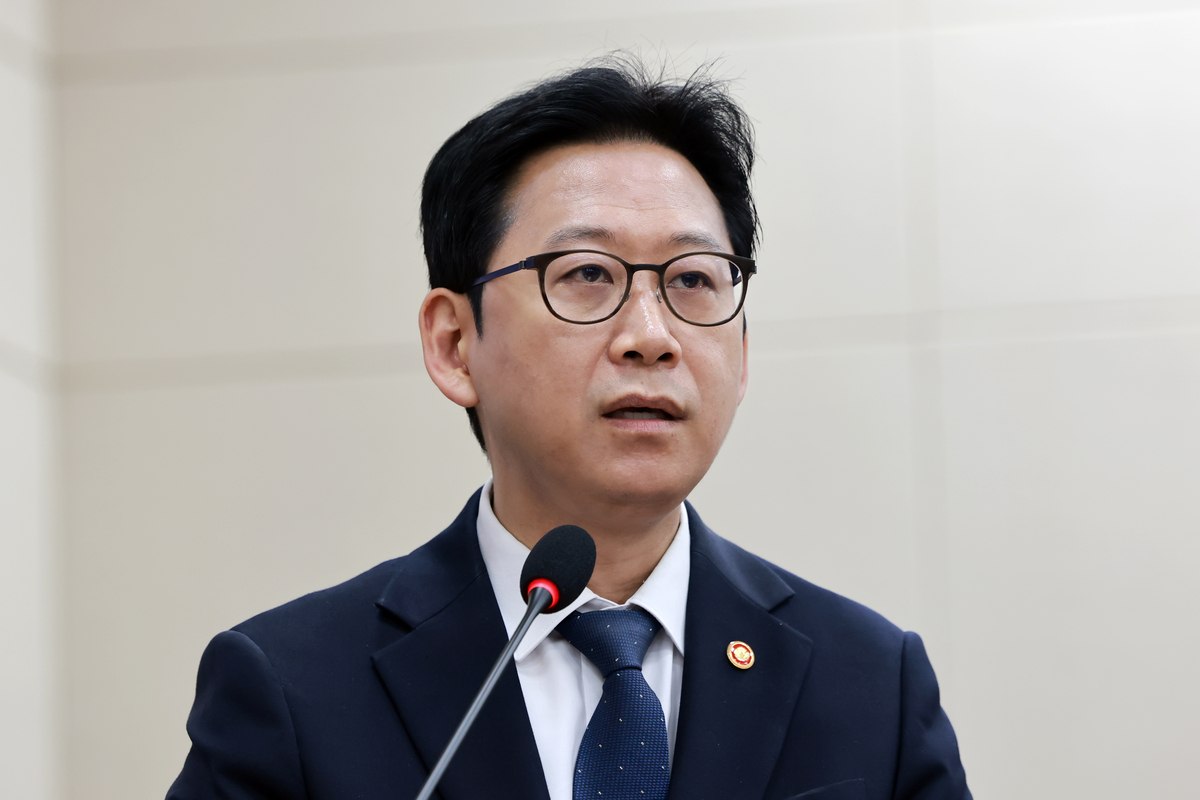
Science Minister Bae Kyung-hoon declared on September 30 that Korea's sovereign AI foundation model (독파모) project will continue, ending weeks of speculation about cancellation. The government has pledged to maintain 200 billion won in funding while shifting architectural focus—integrating the independent sovereign-model track into a unified frontier AI development initiative announced to parliament on October 2.
Government-Allocated GPU Fleet Runs at 50% Capacity or Less
A ZDNet Korea investigation published October 1 found that roughly 70% of GPUs distributed through Korea's national high-performance computing support scheme operate at utilization rates below 50%. This efficiency gap highlights resource-management challenges as the country scrambles to build out a 15,000-GPU national AI computing center in Haenam (launched August 2026, costing 2.41 trillion won). The center aims to reach full 15,000-unit capacity by 2028.

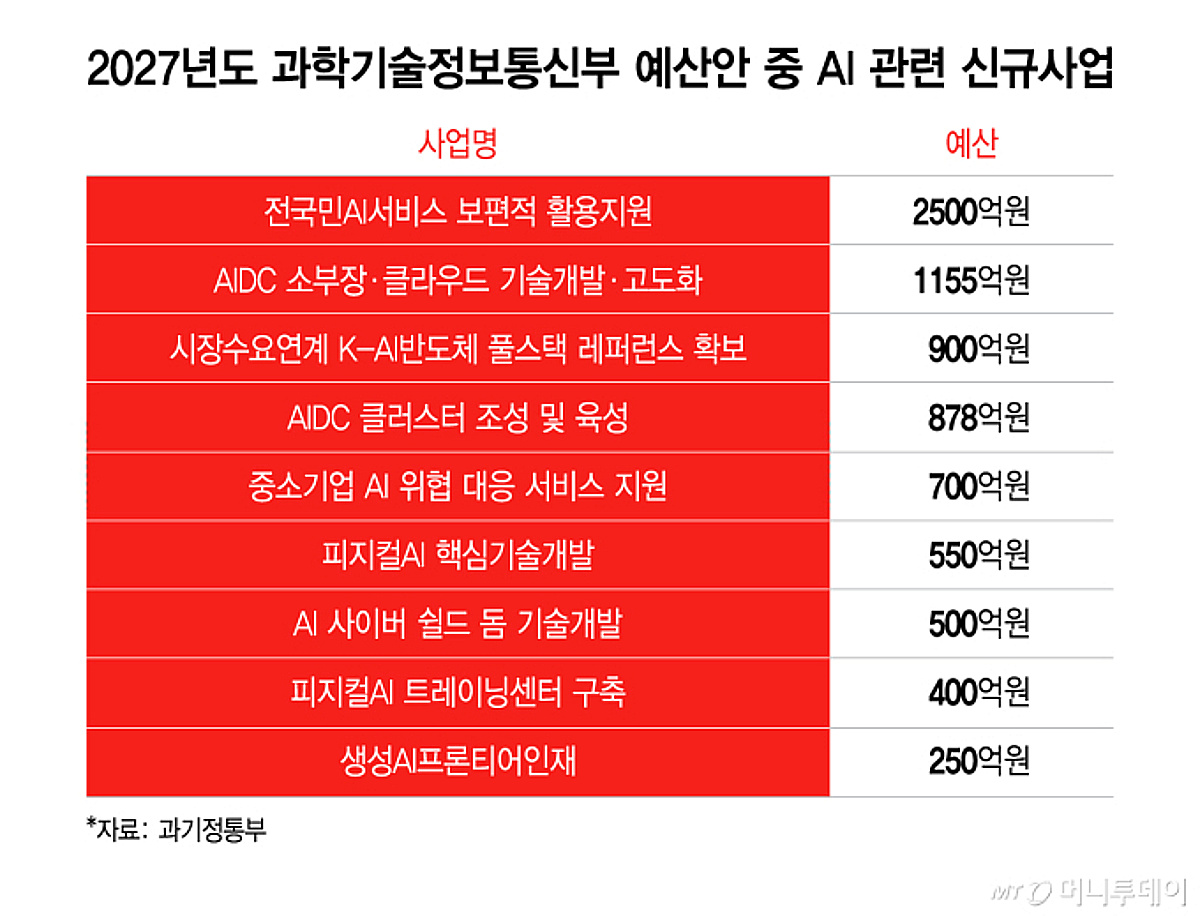
Korea Budget Nearly Doubles AI Spend; Ministry Allocates 8 Trillion Won for 2027
South Korea's 2027 budget—announced September 28—commits 9.4 trillion won to AI-sector transformation, with roughly half earmarked for GPU and compute infrastructure. The Ministry of Science and ICT separately designated 8 billion won for AI, signaling a shift toward consolidation of sovereign-model and next-generation AI spending. The broader AI allocation represents a 97% increase from 2026's 10.8 trillion won, climbing toward the government's multi-year target of 21.3 trillion won by 2027.
Korea's National AI Tournament Advances, Frontier-Model Path Clarified
Government briefing materials released September 29 confirmed Korea's "AI G3 Strategy"—integrating sovereign compute, national models, and universal AI access. The country is now positioning frontier-model development as the primary track, with the sovereign foundation-model project refocused as supporting infrastructure rather than standalone initiative. This resolves weeks of confusion over whether the government would abandon its independence-focused research in favor of relying on US-based systems.

Japan's GENIAC Extends Into Robotics Foundation Models; Compute Support Continues
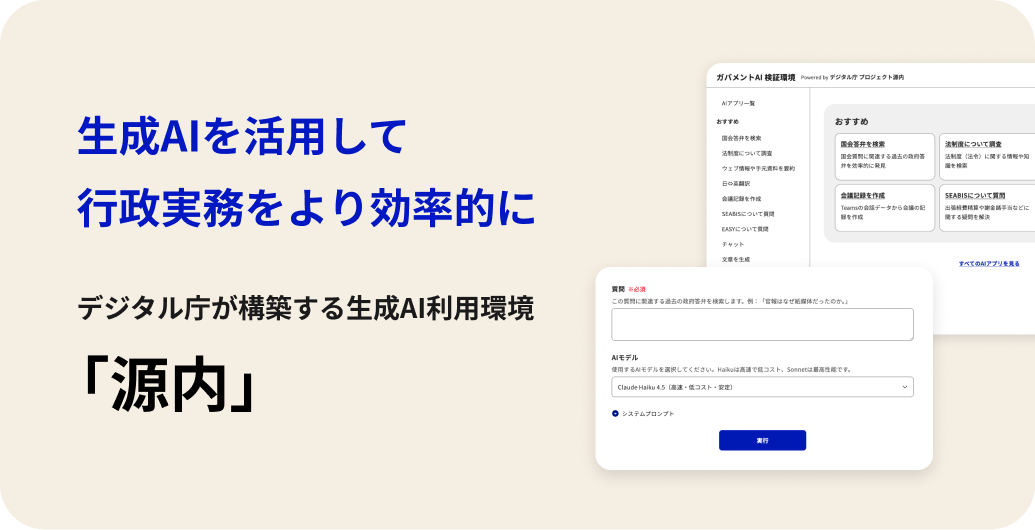
Japan's GENIAC programme—managed by METI and NEDO—announced expansion into robotics AI in early September, moving beyond pure generative-model support. The initiative continues to supply compute resources to consortium members developing foundation models. The "ガバメントAI" (Government AI) "源内" (Gennai) platform rolled out by Japan's Digital Agency in September provides generative-AI tools across ministries.
Local view
Korean media narrative:
Chosun Ilbo and Donga Ilbo reported on September 30 that the government's reversal of standalone sovereign-model development signals pragmatism rather than failure—redirecting focus toward "frontier AI" competitiveness while maintaining data-infrastructure investments. However, both outlets questioned whether the strategy shift reflects genuine capability or political necessity. ZDNet Korea (October 1) highlighted the uncomfortable reality: GPUs secured by government are idle, suggesting systemic mismatch between subsidy allocation and research capacity.
Japanese media approach:
METI press releases and xtech.nikkei.com coverage framed GENIAC's robotics pivot as natural evolution—moving from pure language-model work toward vertical, use-case-specific foundation models. No corresponding controversy emerged in Japan around compute-utilization efficiency or strategic reversal, suggesting smoother bureaucratic alignment between METI's industrial-targeting approach and NEDO's subsidy distribution.
Context & numbers
GPU and compute infrastructure:
- South Korea: 260,000-chip national GPU build-out (announced October 2025); Haenam National AI Computing Center: 2.41 trillion won, 15,000 GPU target by 2028
- Japan: GENIAC provides compute support to selected foundation-model consortia; specific GPU count and budget not disclosed in this week's releases
Budget allocations:
- Korea 2027 AI budget: 9.4 trillion won (9 trillion won reported by some sources); Ministry of Science and ICT: 8 billion won specifically for sovereign/frontier AI integration
- Korea 2026 AI budget (prior year): 10.8 trillion won; multi-year target: 21.3 trillion won by 2027
- Japan: GENIAC-PRIZE announced
8 billion yen ($55M USD) in prize funding (announced May 2025; ongoing through 2026)
GPU utilization crisis:
- 70% of government-allocated GPUs in Korea operating below 50% utilization (October 1 report)
On the radar
- October 2026 parliamentary oversight: Korea's Ministry of Science and ICT is scheduled to brief the National Assembly on implementation timelines for the newly integrated frontier-AI budget; watch for clarity on sovereign-model continuation vs. dissolution.
- GENIAC Round 5 applications: Japan's METI typically opens new cohorts in Q4; robotics focus may attract automotive and manufacturing consortia.
- GPU delivery bottleneck: ZDNet Korea report suggests demand for formal audit of Haenam facility's construction progress and GPU procurement pipeline—expected autumn 2026.
- Rumor: Korean industry sources flagged possible government directive to consolidate GPU allocation among fewer, larger research centers to improve utilization (unconfirmed; watch for ministry announcements in October).
Sources cited this week:
This content was collected, curated, and summarized entirely by AI — including how and what to gather. It may contain inaccuracies. Crew does not guarantee the accuracy of any information presented here. Always verify facts on your own before acting on them. Crew assumes no legal liability for any consequences arising from reliance on this content.
Powered by
