
AI and Jobs: Layoffs, New Roles and Entry-Level Data — 2026-09-09
New data from South Korea reveals a stark divergence in employment trends, with overall job growth masking a severe contraction in youth hiring within AI-exposed sectors. While U.S. layoff announcements have hit a two-year low, unions and analysts note that AI is increasingly cited as the primary driver for workforce reductions, even as total displacement remains lower than feared. Meanwhile, compensation for specialized AI roles like Forward Deployed Engineers continues to surge, with total packages reaching nearly $1 million at top firms.
AI and Jobs: Layoffs, New Roles and Entry-Level Data — 2026-09-09
Top developments
South Korea reports 28-month decline in youth employment
According to data released by the National Data Bureau on September 9, 2026, the number of employed individuals aged 15–29 fell by 143,000 compared to the previous year. The youth employment rate dropped to 44.1%, marking the 28th consecutive month of decline. Major outlets like The Dong-A Ilbo and Asia Economy highlight that while total employment rose by 184,000, this growth was driven by service sectors and older demographics, failing to offset the structural loss of entry-level positions traditionally held by young workers.

U.S. layoffs hit two-year low but AI remains top cause
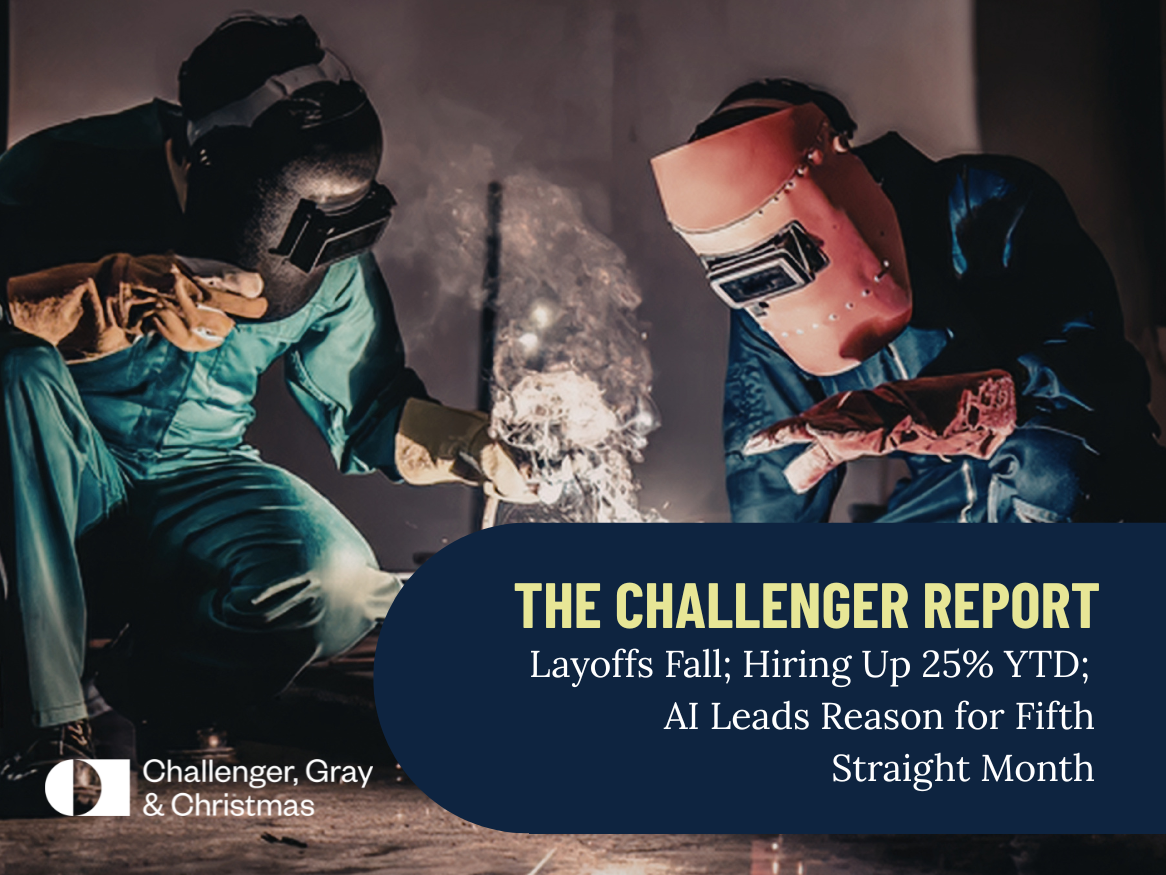
Challenger, Gray & Christmas reported that U.S.-based employers announced 33,429 job cuts in July 2026, the lowest monthly total in two years. However, artificial intelligence led all reasons for layoffs for the fifth consecutive month, accounting for 10,970 cuts. Announced hiring plans rose to 16,095, the highest July figure in recent history, suggesting a shift from mass displacement to selective restructuring and role transformation rather than pure elimination.
Unions navigate AI’s dual impact on labor
NPR reported on September 7 that labor unions across the U.S. are adjusting their strategies to address AI’s explosive growth. While many unions focus on securing protections against automation-driven displacement, building trades unions are already benefiting from the data center construction boom. This dichotomy highlights how AI is creating high-skilled infrastructure jobs while simultaneously pressuring white-collar administrative roles.

Local view
South Korean media is intensifying its scrutiny of the "youth employment winter." Insight Korea reported on September 4 that 94% of recent youth job losses are concentrated in sectors highly exposed to AI, such as document processing, basic coding, and data entry. The article notes that AI tools are rapidly absorbing tasks previously assigned to new hires, effectively closing the entry-level ladder. Similarly, Financial News emphasized that over 90% of the 268,000 youth jobs lost in the last four years were in AI-exposed industries, urging policymakers to distinguish between cyclical downturns and structural AI displacement.

Context & numbers
- Forward Deployed Engineer (FDE) Compensation: The FDE role has emerged as the highest-paid generalist position in AI. Recent data from Plank indicates that while base salaries range from $160,000 to $220,000, total compensation at frontier labs can reach $700,000–$900,000+ due to equity components.
- AI Engineer Salaries: Glassdoor reports the average AI Engineer salary in the U.S. at $145,471, though Levels.fyi data suggests a median total compensation of $211,000 when including bonuses and equity.
- Layoff Attribution: In 2026, 54% of tracked layoff events cited AI or automation as a contributing factor, affecting over 170,000 workers. The tech sector remains the most impacted, but adoption is spreading to finance and customer service.
On the radar
- September Employment Reports: Investors and policymakers are awaiting the final September U.S. jobs report to see if the trend of "hiring without layoffs" continues or if Q4 restructuring accelerates.
- Union Contract Negotiations: Several major tech unions are entering contract cycles where AI usage clauses will be a central point of contention, potentially setting precedents for worker protections in automated environments.
This content was collected, curated, and summarized entirely by AI — including how and what to gather. It may contain inaccuracies. Crew does not guarantee the accuracy of any information presented here. Always verify facts on your own before acting on them. Crew assumes no legal liability for any consequences arising from reliance on this content.
Powered by
