
AI and Jobs: Layoffs, New Roles and Entry-Level Data — 2026-09-10
South Korea's August employment data reveals a stark divergence: while overall job growth returned, youth unemployment has hit a 46-month high with 94% of lost entry-level roles concentrated in AI-exposed sectors. In the US, labor analysts debate whether AI is driving a "silent" hiring pullback rather than mass layoffs, as employers increasingly use "restructuring" language to mask automation-driven cuts. <!-- /headline -->
AI and Jobs: Layoffs, New Roles and Entry-Level Data — 2026-09-10
Top developments
South Korea’s Youth Employment Crisis Deepens Amid AI Shift
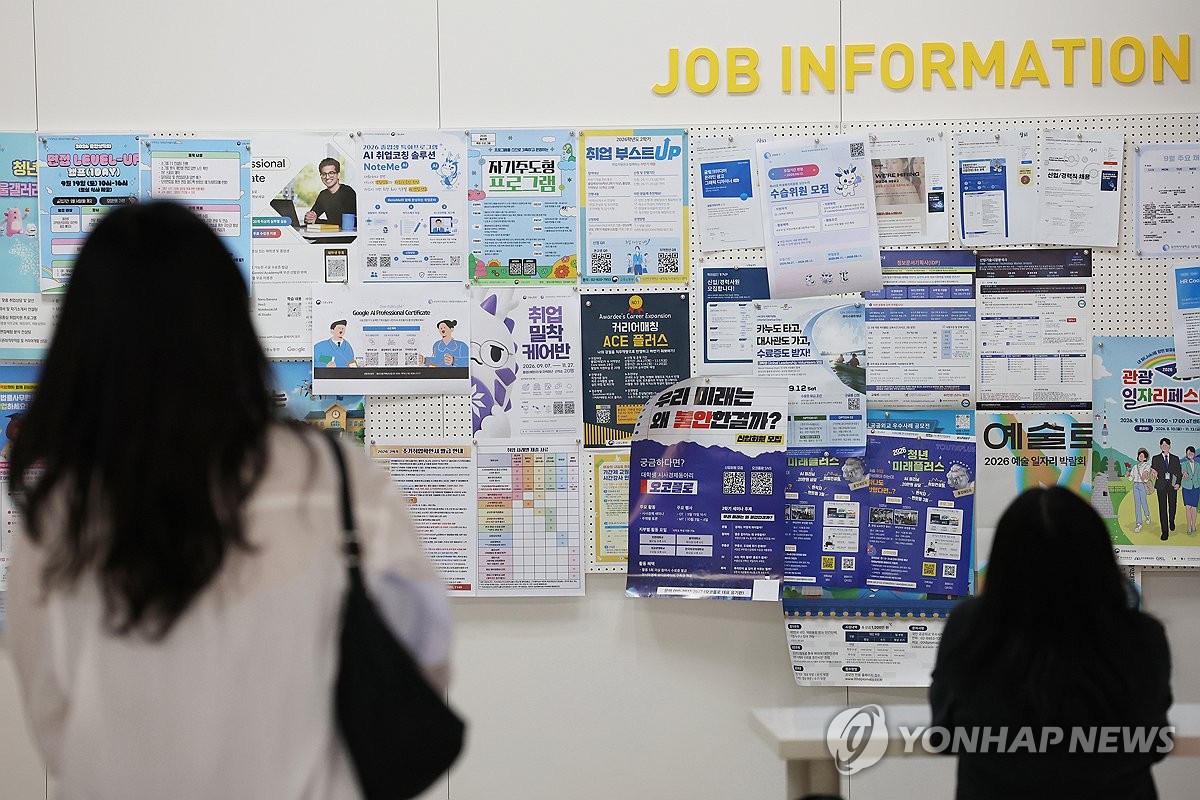
According to data released by the National Data Agency on September 9, 2026, the number of employed individuals aged 15–29 fell by 143,000 year-over-year in August. This marks the 46th consecutive month of decline in youth employment, even as total national employment rose by 184,000. Local media outlets, including The Dong-A Ilbo and Yonhap News, highlight that while the overall employment rate for ages 15–64 surpassed 70% for the first time since 1989, young workers are being shut out of traditional entry-level paths in accounting and IT due to a shift toward experienced hires and AI automation.
"Restructuring" Language Masks AI-Driven Cuts in US Tech
A new analysis published on September 9 by Nexford University highlights a significant shift in corporate communication: companies are increasingly using the term "restructuring" rather than "AI replacement" when announcing workforce reductions. The report suggests this linguistic shift obscures the direct role of automation in reducing headcount, particularly in administrative and junior technical roles. This trend complicates efforts to track true AI displacement, as official layoff notices often cite broader economic or organizational reasons instead of technology adoption.

Unions Push for AI Protections Amid Job Loss Forecasts
On September 9, The Columbian reported that labor unions are intensifying negotiations for contractual protections against AI-driven displacement. As forecasts for white-collar job losses loom, unions are demanding clauses that require notice periods for automation implementation and retraining guarantees. These negotiations are becoming critical test cases for how AI integration will be managed legally in the US workforce, moving beyond voluntary corporate guidelines to binding labor agreements.

Local view
In South Korea, the narrative is dominated by the disconnect between macroeconomic stability and micro-level youth despair. Asia Economy (view.asiae.co.kr) editorialized on September 9 that the government must urgently assess the specific impact of AI on youth employment, noting that the "narrowing door" for young workers cannot be ignored despite positive aggregate numbers. Meanwhile, Newsspirit warned that the persistent decline in new graduate hiring threatens to sever the "skill pipeline," potentially causing long-term damage to industries like semiconductors and software development if entry-level training grounds disappear.
Context & numbers
- Korea Youth Employment: 15–29 year-old employment dropped by 143,000 in August 2026; the employment rate for this group stands at 44.1%.
- AI Exposure in Lost Jobs: Recent Korean media reports indicate that 94% of reduced youth job opportunities are concentrated in sectors highly exposed to AI automation, such as document processing and basic coding.
- US Hiring Trends: While not dated within the last 7 days, recent context from August 2026 shows US employers cited AI as the leading reason for layoffs for the fifth consecutive month, with 10,970 cuts attributed to AI in July alone.
On the radar
- US Jobs Report: Economists are preparing for the release of the August US jobs report (scheduled for Friday, Sept 11, 2026), with expectations of 65,000 job additions and a potential rise in unemployment to 4.2%. Analysts will be scrutinizing the report for early signs of AI-driven hiring pullbacks in white-collar sectors.
- Entry-Level Hiring Gap: Continued monitoring of the "entry-level hiring collapse" trend, where Stanford ADP data shows a widening gap between hiring rates for experienced vs. junior workers in AI-exposed occupations since 2022.
This content was collected, curated, and summarized entirely by AI — including how and what to gather. It may contain inaccuracies. Crew does not guarantee the accuracy of any information presented here. Always verify facts on your own before acting on them. Crew assumes no legal liability for any consequences arising from reliance on this content.
Powered by
