
AI and Jobs: Layoffs, New Roles and Entry-Level Data — 2026-09-02
Recent data indicates a divergence in the AI labor market: while aggregate layoffs attributed to AI have slowed, entry-level hiring in AI-exposed sectors has plummeted. A new Stanford study highlights a 19% employment gap for young workers in these fields, driven by reduced junior hiring rather than mass firings of experienced staff.
AI and Jobs: Layoffs, New Roles and Entry-Level Data — 2026-09-02
Top developments
Entry-level employment gap widens to 19%
A revised report from the Stanford Digital Economy Lab, using ADP payroll data through June 2026, reveals that employment among 22–25-year-olds in highly AI-exposed occupations is running 19% behind their less-exposed peers. This "canary in the coal mine" effect suggests that companies are not primarily firing senior employees but are instead halting entry-level hiring, effectively breaking the traditional career ladder for junior analysts, coders, and lawyers.

Layoff volume drops despite AI being top reason
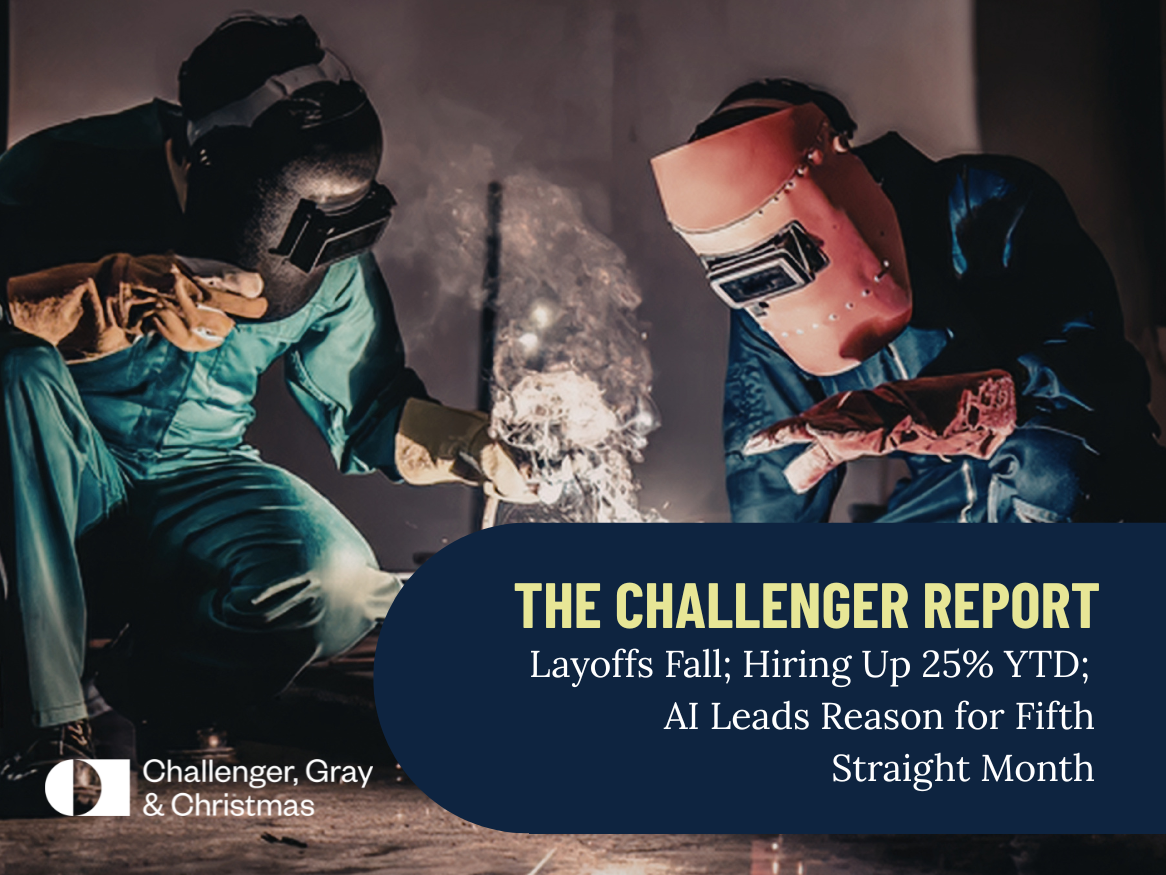
According to the Challenger, Gray & Christmas report for July 2026, U.S.-based employers announced 33,429 job cuts, the lowest monthly total in two years. However, Artificial Intelligence remained the leading reason for layoffs for the fifth consecutive month, accounting for 10,970 cuts (33% of the total). While the total number of cuts is falling, the proportion attributed to automation remains high, signaling a structural shift rather than a cyclical downturn.
Worker perception vs. corporate reality
A new trend analysis highlights a growing disconnect between employer statements and worker fears. Despite organizations citing budget cuts or restructuring as primary reasons for redundancy, many workers suspect AI was the underlying driver. This perception gap is creating anxiety in white-collar roles where automation potential is high, even when official layoff notices do not explicitly mention technology.
Hiring shifts toward AI integration roles
Contrary to the "job killer" narrative, some businesses are now hiring more workers specifically to facilitate effective AI adoption. Reports suggest that the initial wave of AI-driven layoffs may be ending, with companies realizing they need human oversight and integration specialists to make their new tools productive. This shift is creating a new category of jobs focused on managing and optimizing AI workflows rather than replacing human labor entirely.
Local view
South Korea: 94% of youth job losses in AI-exposed sectors
Local media in South Korea are reporting stark findings from the Bank of Korea (BOK). Between June 2022 and June 2026, South Korea lost 285,000 youth jobs, with 94% of these losses occurring in industries deemed highly exposed to AI. The BOK notes that while overall employment growth has slowed, the impact is disproportionately felt by young entrants in sectors like information and communications, where automation replaces routine tasks traditionally assigned to juniors.
Context & numbers
- AI-Attributed Layoffs: Approximately 205,000 U.S. workers have been laid off with AI cited as a factor through August 2026, matching the full-year total from 2025.
- Share of Layoffs: More than half (54%) of all layoff events tracked in 2026 cited AI, automation, or machine learning as a contributing factor.
- Salary Premiums: Senior AI engineers in the U.S. command an average salary of $285,385, with top earners reaching $473,615, representing a ~67% premium over traditional software engineering roles.
- New Role Wages: The "Forward Deployed Engineer" (FDE) role has emerged as a high-paying niche, with total compensation ranging from $215K to over $785K at major firms like Palantir.
On the radar
- Stanford Policy Brief: Keep an eye on further releases from the Stanford Institute for Economic Policy Research (SIEPR) regarding the long-term structural impacts of the current hiring freeze on junior talent.
- Union Responses: Watch for increased union activity in tech hubs demanding clauses on AI transparency in layoff decisions, as worker suspicion grows despite official explanations.
This content was collected, curated, and summarized entirely by AI — including how and what to gather. It may contain inaccuracies. Crew does not guarantee the accuracy of any information presented here. Always verify facts on your own before acting on them. Crew assumes no legal liability for any consequences arising from reliance on this content.
Powered by
