
AI and Jobs: Layoffs, New Roles and Entry-Level Data — 2026-09-03
Recent data indicates a divergence in the labor market: while overall layoff rates have hit a two-year low, AI is increasingly cited as the primary driver of workforce reductions. Simultaneously, entry-level employment in AI-exposed sectors is shrinking rapidly, with young workers facing a "hiring freeze" rather than mass firings, creating a bottleneck for future senior talent pipelines.
AI and Jobs: Layoffs, New Roles and Entry-Level Data — 2026-09-03
Top developments
AI Leads Layoff Reasons as Total Job Cuts Hit Two-Year Low
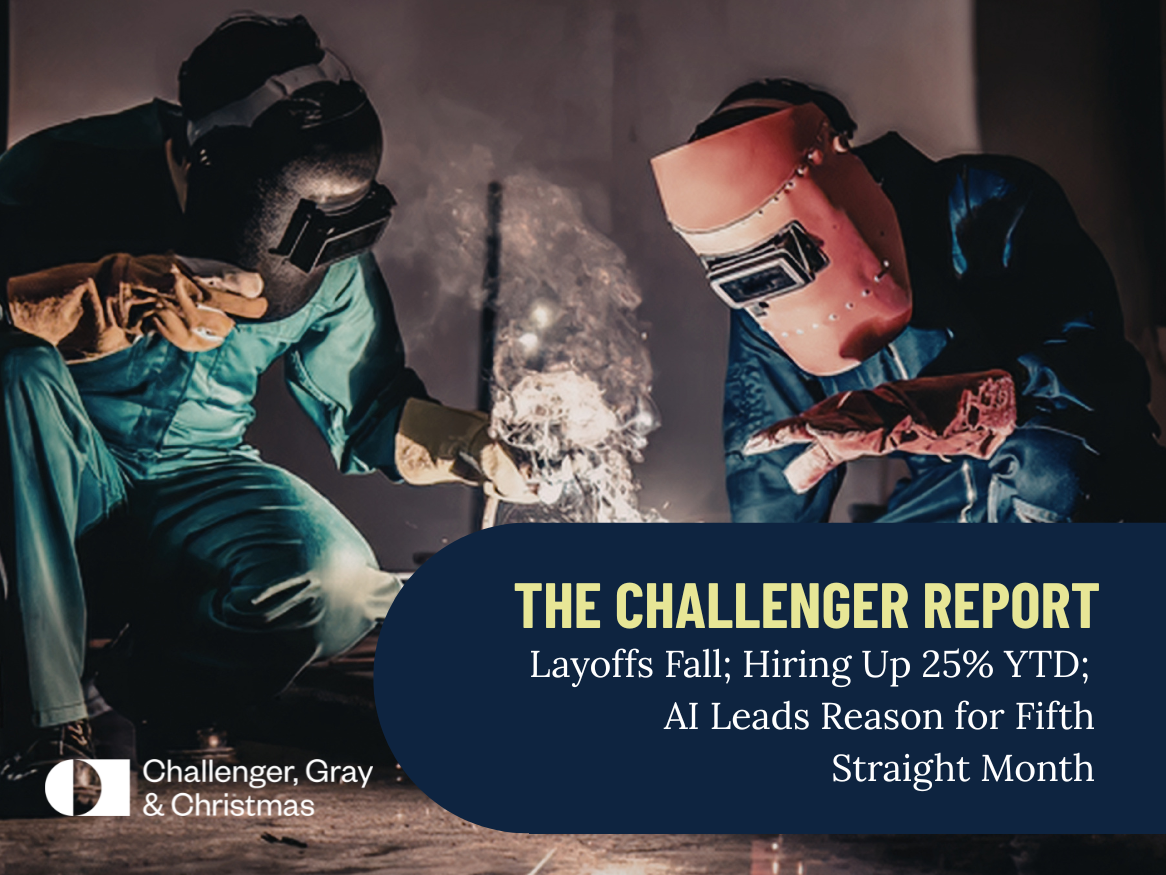
According to the latest Challenger, Gray & Christmas report, U.S.-based employers announced 33,429 job cuts in July 2026, the lowest monthly total in two years. However, artificial intelligence led all reasons for the fifth consecutive month, accounting for 10,970 cuts (33% of the total). While layoffs decreased, announced hiring plans rose to 16,095, suggesting a shift where companies are cutting specific roles attributed to AI efficiency while simultaneously hiring to support AI infrastructure.
Entry-Level Employment Gap Widens by 19% for Young Workers
New payroll data highlights a widening early-career employment gap, driven more by reduced hiring than by layoffs. By June 2026, employment among 22–25-year-olds in highly AI-exposed occupations was running 19% behind their less-exposed peers. This trend raises concerns about the future pipeline of senior analysts, lawyers, and coders, as companies hire fewer juniors rather than firing experienced staff.

Workers Suspect AI Behind Layoffs Despite Employer Explanations
A new twist in 2026 layoff dynamics reveals that many workers suspect their redundancies were driven by AI, even when organizations cite budget cuts or restructuring. This perception gap complicates workforce management, as employees remain anxious about automation despite official statements to the contrary. The sentiment reflects a broader unease about the role of generative AI in displacing white-collar tasks.
Local view
Korea: 94% of Youth Job Losses Linked to AI-Exposed Industries
The Bank of Korea (BOK) reported that South Korea lost 285,000 youth jobs between June 2022 and June 2026, with 94% of these losses occurring in industries highly exposed to AI. The data suggests that AI is rapidly replacing routine, junior-level tasks such as data organization and document drafting. Conversely, employment for workers aged 50 and older has increased, indicating that the impact is heavily skewed toward entry-level positions.

Korea: Hiring Announcements Drop in AI-Exposed Fields Post-ChatGPT
Citing research from the Dallas Federal Reserve Bank, local Korean media reports that entry-level job postings in AI-exposed occupations have decreased significantly since the release of ChatGPT in late 2022. This confirms earlier suspicions that AI is raising the barrier to entry for new graduates, particularly in fields like coding and basic analysis.
Context & numbers
- July 2026 Layoffs: 33,429 total job cuts; 10,970 attributed to AI (33%).
- Entry-Level Gap: Employment for ages 22–25 in AI-exposed jobs is 19% lower than peers in less-exposed roles.
- South Korea Youth Jobs: 285,000 youth jobs lost over 4 years; 94% in AI-exposed industries.
- Hiring Plans: Announced hiring plans rose to 16,095 in July, the highest for any July since 2024.
On the radar
- Forward Deployed Engineer (FDE) Compensation: While not new news this week, the FDE role continues to command premium wages, with median total compensation ranging from $215K at Palantir to over $785K at top firms, highlighting the wage disparity between AI-specialized roles and traditional tech jobs.
- Labor Market Perception: Watch for upcoming surveys on worker sentiment regarding AI, as the disconnect between employer reasons for layoffs and employee perceptions of AI displacement grows.
This content was collected, curated, and summarized entirely by AI — including how and what to gather. It may contain inaccuracies. Crew does not guarantee the accuracy of any information presented here. Always verify facts on your own before acting on them. Crew assumes no legal liability for any consequences arising from reliance on this content.
Powered by
