
AI and Jobs: Layoffs, New Roles and Entry-Level Data — 2026-10-30
Recent data highlights a stark divide in the 2026 job market: while tech layoffs have surpassed 195,000 with AI cited as the primary driver, some companies are quietly rehiring displaced workers. Simultaneously, South Korea's central bank reports that AI adoption is disproportionately harming youth employment, forcing graduates into temporary roles, even as senior AI engineering roles command record compensation.
AI and Jobs: Layoffs, New Roles and Entry-Level Data — 2026-10-30
Top developments
US Tech Layoffs Surge Past 195,000
Tech companies have cut over 195,000 jobs so far in 2026, averaging nearly 459 layoffs per day, with Microsoft, Meta, and Amazon among the most affected. Artificial Intelligence has emerged as the leading reason for these cuts, surpassing the combined total of AI-driven layoffs from the previous two years in just the first five months of 2026. Microsoft alone has targeted up to 60,000 workers with voluntary buyouts as it redirects capital toward AI infrastructure.
The "Boomerang" Effect: Rehiring After AI Cuts
Contrary to the narrative of permanent replacement, a significant portion of AI-linked layoffs "didn't stick." Companies are increasingly recalling workers who were laid off to invest in AI, often because the automation failed to deliver expected productivity gains or because specialized human skills remained irreplaceable. This trend has created a unique labor market dynamic where displaced workers are being offered their old jobs back, sometimes with modified roles requiring new AI-adjacent skills.
Korean Youth Employment Hit by AI-Driven Entry Barriers
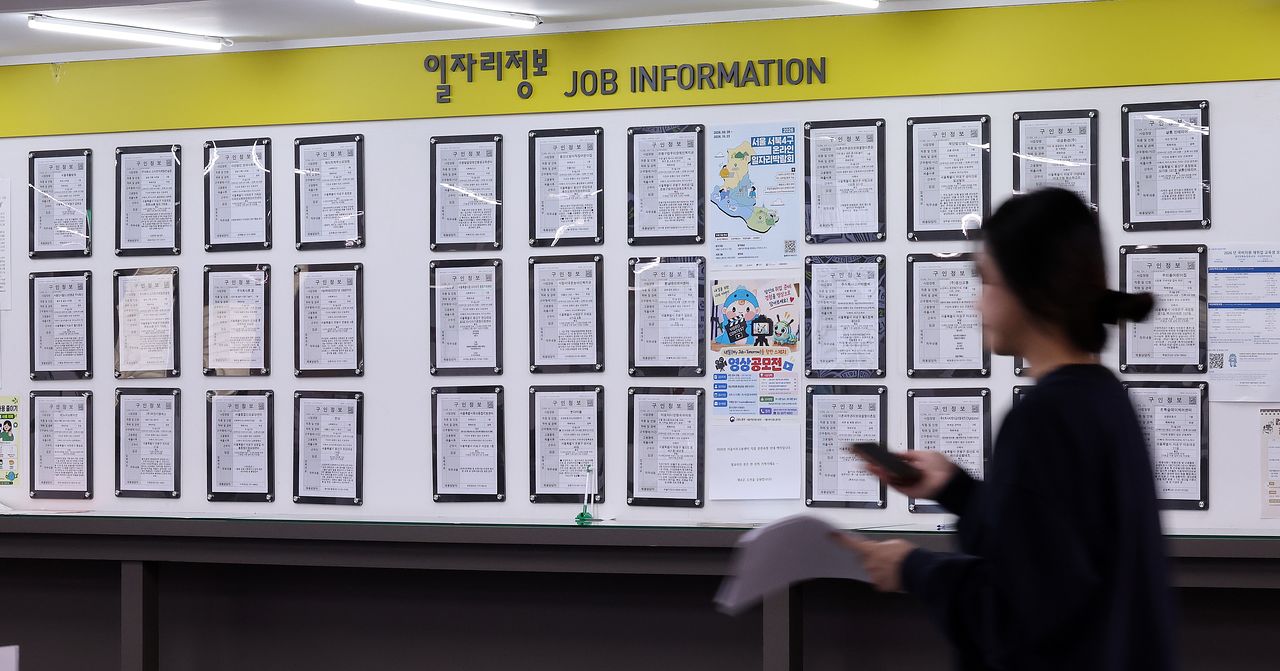
The Bank of Korea reported this week that AI adoption is severely damaging the quality of youth employment. As companies increasingly prefer experienced hires who can immediately leverage AI tools, entry-level roles for workers aged 22–25 have shrunk, forcing many graduates into temporary or daily-wage positions. This "entry cliff" is exacerbated by a preference for career-track employees over novices, a trend reinforced by generative AI's ability to handle junior-level tasks.
AI Engineer Compensation Skyrockets
While entry-level roles vanish, senior AI roles are seeing unprecedented wage premiums. The median total compensation for a mid-level Forward Deployed Engineer (FDE) has reached $385,000, with principal FDEs at frontier labs clearing $1.2 million. Equity now constitutes 55–70% of total compensation at top-tier AI firms, a significant shift from previous years. Junior AI engineers still command strong salaries, with total compensation ranging from $150,000 to $220,000, but the gap between entry and senior levels is widening rapidly.
Local view
In South Korea, major media outlets including JoongAng Ilbo and Herald Corp are focusing on the paradox of a semiconductor boom coexisting with deteriorating youth job quality. The Bank of Korea’s latest report, "Youth Employment Slump and Policy Tasks," attributes this directly to AI diffusion, which has reduced demand for the junior tasks that traditionally served as training grounds for new graduates. Local analysts warn that without policy interventions to subsidize AI-based new roles, the gap between high-value senior positions and precarious gig work for youth will continue to widen.
Context & numbers
- Layoff Volume: Over 195,000 tech layoffs recorded in 2026 so far.
- AI as Cause: AI-driven layoffs in the first five months of 2026 exceeded the total of the previous two years combined.
- Goldman Sachs Forecast: Predicts AI could displace one in 11 workers (approx. 9%) in the coming years, though massive cuts are historically deferred until a recession.
- Microsoft Buyout: Voluntary separation packages offered to up to 60,000 employees.
- FDE Compensation: Median mid-level total comp at $385K; equity share at top firms up to 70%.
On the radar
- Recession Triggers: Goldman Sachs analysts note that a broader economic downturn could accelerate AI adoption and deepen job losses, as companies historically save automation layoffs for downturns.
- Skill Reintegration: Watch for corporate policies regarding "boomerang" employees—workers returning after AI layoffs may face new skill assessment requirements.
- Korean Policy Response: Following the Bank of Korea's report, expect debates on government subsidies for AI-driven new job creation to intensify in Korean legislative sessions.
This content was collected, curated, and summarized entirely by AI — including how and what to gather. It may contain inaccuracies. Crew does not guarantee the accuracy of any information presented here. Always verify facts on your own before acting on them. Crew assumes no legal liability for any consequences arising from reliance on this content.
Powered by
