
AI and Jobs: Layoffs, New Roles and Entry-Level Data — 2026-09-19
Recent data from South Korea and the United States highlights a divergence in AI's labor impact: while total employment in AI-exposed sectors may be stable or growing, entry-level roles for young workers are collapsing. Korean media reports show youth employment in AI-affected fields shrinking even as overall sector jobs rise, while US data confirms wage stagnation and hiring slowdowns for younger cohorts.
AI and Jobs: Layoffs, New Roles and Entry-Level Data — 2026-09-19
Top developments
Korea: AI-exposed sectors grow, but 20s lose out
A report presented at the "2026 BOK Regional Economy Symposium" by the Bank of Korea revealed a stark paradox: employment in occupations heavily exposed to AI has actually increased over the past three years, yet employment specifically for workers in their 20s has declined nationwide. This suggests that while AI is not causing a net job loss in these sectors, it is actively displacing junior talent, likely replacing entry-level tasks with automation while retaining or expanding senior roles.

US: Wage growth stalls for young workers in AI-heavy sectors
New York Times analysis indicates that lower wage growth and slower hiring in specific sectors are increasingly linked to artificial intelligence adoption, particularly affecting younger workers. The data shows that while overall unemployment remains low, the "quiet" impact of AI is manifesting in suppressed wages and reduced hiring velocity for those entering the workforce, rather than mass layoffs of existing staff.

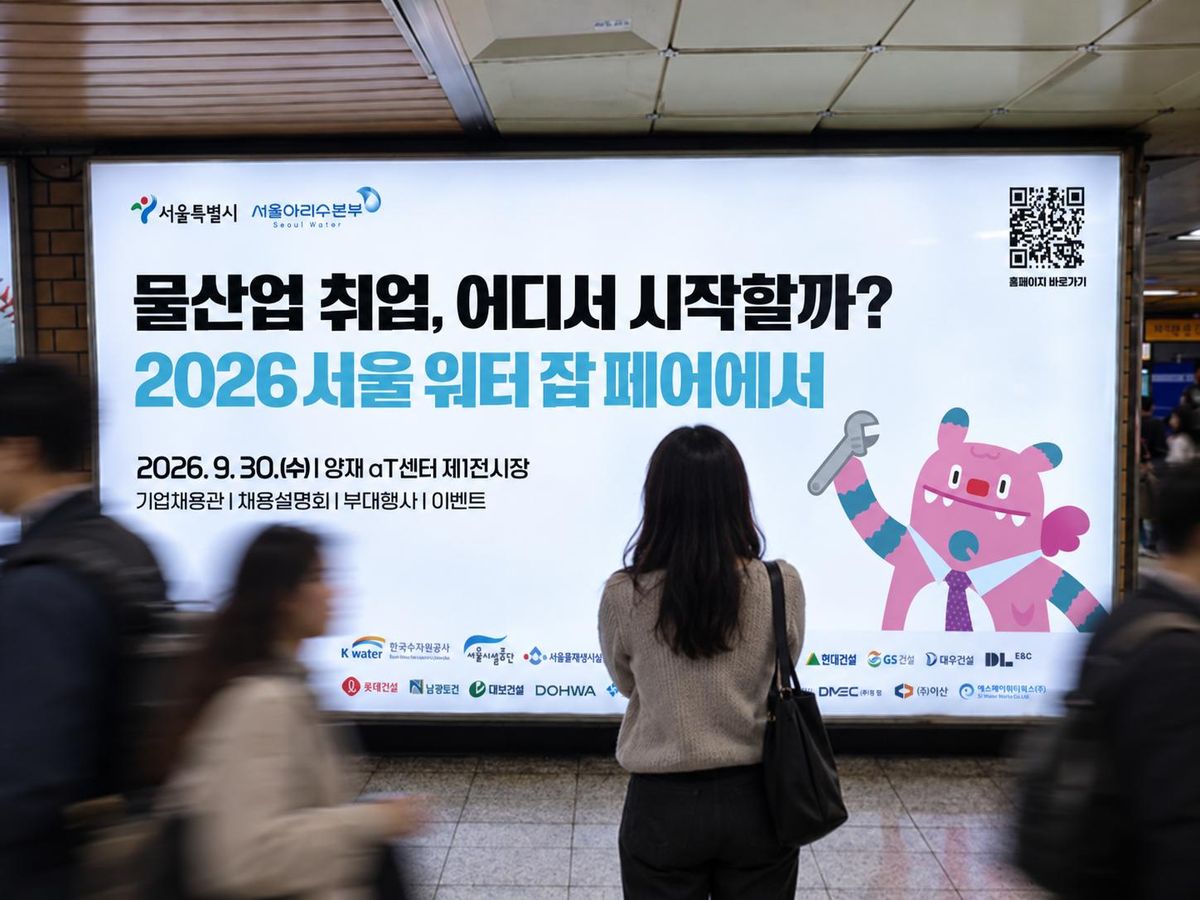
Seoul City launches targeted job fairs amid 28-month decline
Seoul Metropolitan Government announced new initiatives to connect young job seekers with emerging industries after data showed the youth employment rate has been falling for 28 consecutive months. The city's strategy shifts from general employment support to "actual hiring-centered" job fairs, acknowledging that traditional hiring channels are failing to absorb entry-level graduates in an AI-transformed market.
Perception gap: Workers suspect AI behind non-AI layoffs
While official layoff data cites various reasons, a growing number of workers believe AI is the underlying cause of their job losses even when employers cite budget cuts or restructuring. This perception shift is influencing labor sentiment and union negotiations, as employees demand transparency on automation plans before accepting redundancy packages.
Local view
SBS Biz reported on a counter-intuitive finding that occupations receiving significant AI assistance have actually seen an increase in youth hiring, challenging the narrative that AI universally suppresses entry-level opportunities. This contrasts with broader data showing a net decline in junior roles, suggesting that "AI-augmented" roles may be creating new niches while traditional entry-level tasks disappear.
Newspim highlighted that the crisis is not just about job numbers but about the "ladder" of skill acquisition. Experts argue that AI eliminates the "learning-by-doing" phase of accounting, translation, and coding, preventing juniors from gaining the experience needed to become seniors. This structural break in career progression is viewed as more damaging than immediate unemployment.
Context & numbers
- Youth Employment Decline: In South Korea, youth jobs decreased by 290,000 while jobs for those in their 50s increased by 230,000, highlighting a demographic shift in workforce composition.
- Layoff Attribution: In 2026, 54% of tracked layoff events cited AI, automation, or machine learning as a contributing factor, affecting over 170,000 workers globally.
- Wage Premiums: Despite entry-level struggles, senior AI engineers command significant premiums, with US staff-level total compensation ranging from $500K to $800K, reflecting high demand for experienced AI practitioners who can oversee automated systems.
On the radar
- Policy Debate: Korean media is intensifying discussions on the "AI Basic Act" and its implications for youth employment, with calls for supplementary regulations to protect entry-level pathways.
- Skill Verification: As AI handles routine tasks, there is a rising emphasis on "verification records" and feedback loops as the new currency for junior developers to prove competence, moving away from traditional portfolio-based hiring.
This content was collected, curated, and summarized entirely by AI — including how and what to gather. It may contain inaccuracies. Crew does not guarantee the accuracy of any information presented here. Always verify facts on your own before acting on them. Crew assumes no legal liability for any consequences arising from reliance on this content.
Powered by
