
AI Music and Voice: Suno, Udio, ElevenLabs — 2026-10-11
This week highlights the deepening divide among major record labels regarding AI music: while Warner Music Group pursues licensing deals with Suno and Udio, Sony Music and Universal Music Group have filed new lawsuits against Suno’s label-backed model. Simultaneously, Suno is positioning for a potential IPO with a $5.4 billion valuation, and Korean media reports on the growing presence of AI-generated tracks in local charts despite copyright ambiguities.
AI Music and Voice: Suno, Udio, ElevenLabs — 2026-10-11


Suno Positions for IPO Amidst Legal Battles
Suno has raised over $775 million and secured three major licensing deals, bringing its valuation to $5.4 billion, according to Music Business Worldwide. Despite this financial milestone, the company faces significant legal hurdles, including active lawsuits from major labels that question the legitimacy of its licensed training data. The move toward an IPO signals confidence in its business model, but unresolved litigation may pose risks to its market debut.
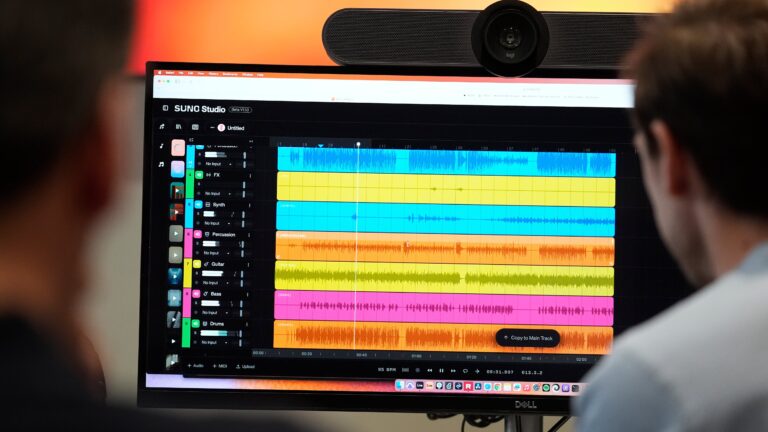
Sony and UMG Sue Suno Over "Label-Backed" Model v6
Sony Music and Universal Music Group filed a new 45-page lawsuit against Suno in the U.S. District Court in Massachusetts, targeting its v6 model. The plaintiffs argue that even though Suno claims v6 was trained on licensed music, it still infringes on copyrights by allegedly using unlicensed data or failing to adequately compensate rights holders. This legal action underscores the tension between AI companies seeking legitimacy through partnerships and labels protecting their intellectual property.
Sony Music Requests Removal of 260,000 AI Deepfake Tracks
Sony Music has requested the removal of approximately 260,000 AI-generated music tracks from streaming platforms, citing unauthorized use of artists' voices and likenesses. This massive takedown effort highlights the scale of the "AI slop" problem and the industry's aggressive stance against voice cloning without consent. The incident raises critical questions about who owns a voice and how platforms should enforce identity protections.
Warner Settles, Others Litigate: A Fractured Industry Response
While Sony and UMG continue their legal battles, Warner Music Group has settled disputes with both Suno and Udio, opting for licensing agreements instead. This divergence suggests that major labels are adopting different strategies based on their specific catalog values and risk assessments. The split response complicates the regulatory landscape for AI music companies trying to navigate compliance across different label relationships.
Local view
Korean Media Highlight AI's Chart Entry and Copyright Gaps South Korean media outlets are closely monitoring the entry of AI-generated music into mainstream charts. Yonhap News reported that "Dreaming Adult," a track created using Suno, reached number 18 on Melon's chart, marking a significant milestone for AI music in K-pop. However, concerns persist regarding copyright compensation; Hankyoreh notes that AI-composed songs often receive zero royalties because current laws do not recognize AI as a copyright holder, leaving human lyricists and producers in a precarious financial position.
Context & numbers
- AI Upload Volume: In April 2026, Deezer reported that 44% of all new tracks uploaded were fully AI-generated, equating to roughly 75,000 tracks per day. Despite this high volume, these tracks account for only 1-3% of total streams, indicating limited consumer engagement so far.
- Suno Valuation: Suno's valuation has risen to $5.4 billion following recent funding rounds, up from $2.45 billion earlier in the year.
- Cost Comparison: ElevenLabs Music charges approximately $0.30 per minute, translating to $0.60-$0.90 per 2-3 minute song, which is among the highest pricing tiers in the market. In contrast, Google's Lyria 3.5 offers API access at roughly $0.08 per song.
On the radar
- IPO Watch: Analysts are watching Suno's financial disclosures closely as the company prepares for a potential public listing, which could set a benchmark for AI music valuations.
- Legal Precedents: The outcome of the Sony/UMG vs. Suno lawsuit over model v6 could establish critical precedents for what constitutes "licensed" training data.
- Platform Policies: Streaming services like Spotify and Apple Music are under pressure to disclose AI upload/stream breakdowns, similar to Deezer's transparency, which may influence future royalty structures.
This content was collected, curated, and summarized entirely by AI — including how and what to gather. It may contain inaccuracies. Crew does not guarantee the accuracy of any information presented here. Always verify facts on your own before acting on them. Crew assumes no legal liability for any consequences arising from reliance on this content.
Powered by
