
AI Music and Voice: Suno, Udio, ElevenLabs — 2026-09-02
The legal landscape for AI music shifted dramatically this week as SOCAN and a group of musicians led by Jason Isbell filed new lawsuits against Suno, while Sony and Warner targeted Anthropic for lyric piracy. Meanwhile, the industry remains fractured, with Tidal banning AI royalties and the Washington Post arguing for disclosure over prohibition.
AI Music and Voice: Suno, Udio, ElevenLabs — 2026-09-02
Top developments
SOCAN Sues Suno for Copyright Infringement
On September 2, 2026, the Canadian music rights organization SOCAN filed a lawsuit against AI music generator Suno. The complaint alleges that Suno infringed on at least 150 songs within its repertoire, including hits by Avril Lavigne, Tom Cochrane, and Joni Mitchell. This move intensifies the pressure on Suno, which is already facing litigation in Germany and from individual artists.

Jason Isbell Leads New Lawsuit Against Suno
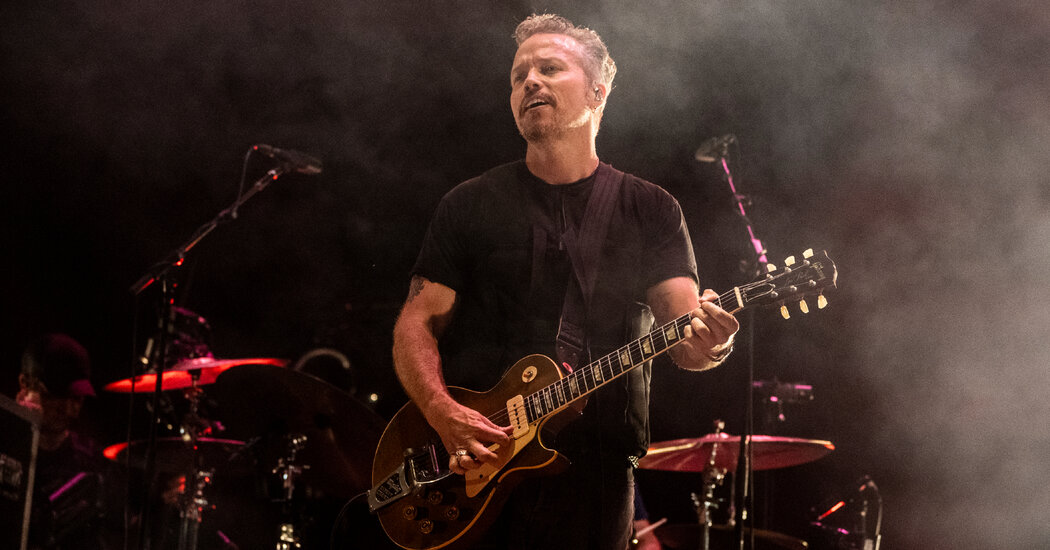
Grammy-winning musician Jason Isbell, along with three other artists, filed a class action lawsuit against Suno on August 31/September 1, 2026. Unlike previous copyright cases, this suit accuses Suno of training its model to unlawfully imitate artists' identities and voices, rather than just infringing on specific copyrights. The plaintiffs claim Suno’s "name input" blocking features are ineffective, allowing the generation of tracks that closely mimic their unique styles.
Sony and Warner Sue Anthropic Over Lyric Piracy
In a separate but related development, Sony Music and Warner Music Group filed a lawsuit against Anthropic on August 29, 2026. The labels allege that Anthropic engaged in a "brazen campaign" of intellectual property theft by pirating hundreds of lyrics from artists like The Beatles, Taylor Swift, and Michael Jackson to train its AI models. This case distinguishes itself from the Suno/Udio disputes by focusing on the illegal acquisition of training data (piracy) rather than just the output similarity or fair use of copyrighted works.

Industry Fragmentation: Tidal Bans AI Royalties
The music industry’s response to AI remains inconsistent. While some labels pursue settlements, Tidal has cut royalties for AI-generated music entirely. Conversely, reports indicate that AI music acts have already generated $6.1 million in earnings, highlighting the economic tension between platforms trying to protect human creators and those capitalizing on AI volume. The Washington Post recently opined that disclosure requirements might be a more viable path than outright bans, reflecting the ongoing debate on how to regulate the space without stifling innovation.
Local view
Korea: KOMCA’s Policy Whiplash Continues
In South Korea, the Korea Music Copyright Association (KOMCA) faced significant backlash after withdrawing its new rules for AI-assisted song registration just 22 days after implementation. Initially, KOMCA had allowed registration for works with "substantive human participation," but reversed course due to a lack of legislative consensus and social agreement. Local media like Hankyung and Maeil Business report that musicians are confused about whether their AI-assisted works will be eligible for royalties, with many fearing that fully AI-generated tracks remain unprotected.

Context & numbers
- Deezer AI Volume: As of April 2026, nearly 75,000 AI-generated tracks were uploaded to Deezer daily, accounting for 44% of all new uploads. Despite this volume, AI tracks receive only 1–3% of total streams.
- Suno Valuation: Suno has reached a valuation of $2.45 billion with an Annual Recurring Revenue (ARR) of $300 million.
- ElevenLabs Revenue: ElevenLabs hit $500 million in ARR in April 2026, offering music generation at approximately $0.80 per minute via API.
- Australian Chart Rules: Following a controversy involving an AI cover of a Madonna song, ARIA Charts announced they would exclude wholly AI-generated tracks from charts starting late August 2026.
On the radar
- German Court Ruling Impact: The Munich Regional Court's July 31 ruling that Suno infringed copyright by using GEMA-represented works without permission is expected to influence upcoming US litigation strategies.
- Anthropic Defense: Watch for Anthropic’s initial response to the Sony/Warner piracy allegations, which could set a precedent for how AI companies must document the provenance of their training data.
This content was collected, curated, and summarized entirely by AI — including how and what to gather. It may contain inaccuracies. Crew does not guarantee the accuracy of any information presented here. Always verify facts on your own before acting on them. Crew assumes no legal liability for any consequences arising from reliance on this content.
Powered by
