
Nvidia and AMD Accelerators: Roadmaps, Pricing, Supply — 2026-09-12
Nvidia’s Vera Rubin platform has officially entered production with shipments beginning in August 2026, marking a critical shift from Blackwell. Meanwhile, board partners are implementing further price hikes on RTX 50-series cards due to supply constraints and memory costs, while AMD continues to ramp up its MI350 and MI400 series to challenge Nvidia's dominance.
Nvidia and AMD Accelerators: Roadmaps, Pricing, Supply — 2026-09-12

Nvidia Vera Rubin Enters Full Production
In an August 2026 filing, Nvidia declared its Vera Rubin platform in full production, with shipment targets set for the second half of 2026. This transition is critical as it follows the massive success of the Blackwell architecture; the Rubin system is designed to include 576 GPUs and 150TB of memory per system, significantly outpacing previous generations. The move confirms that Nvidia is maintaining its aggressive roadmap despite global supply chain pressures.
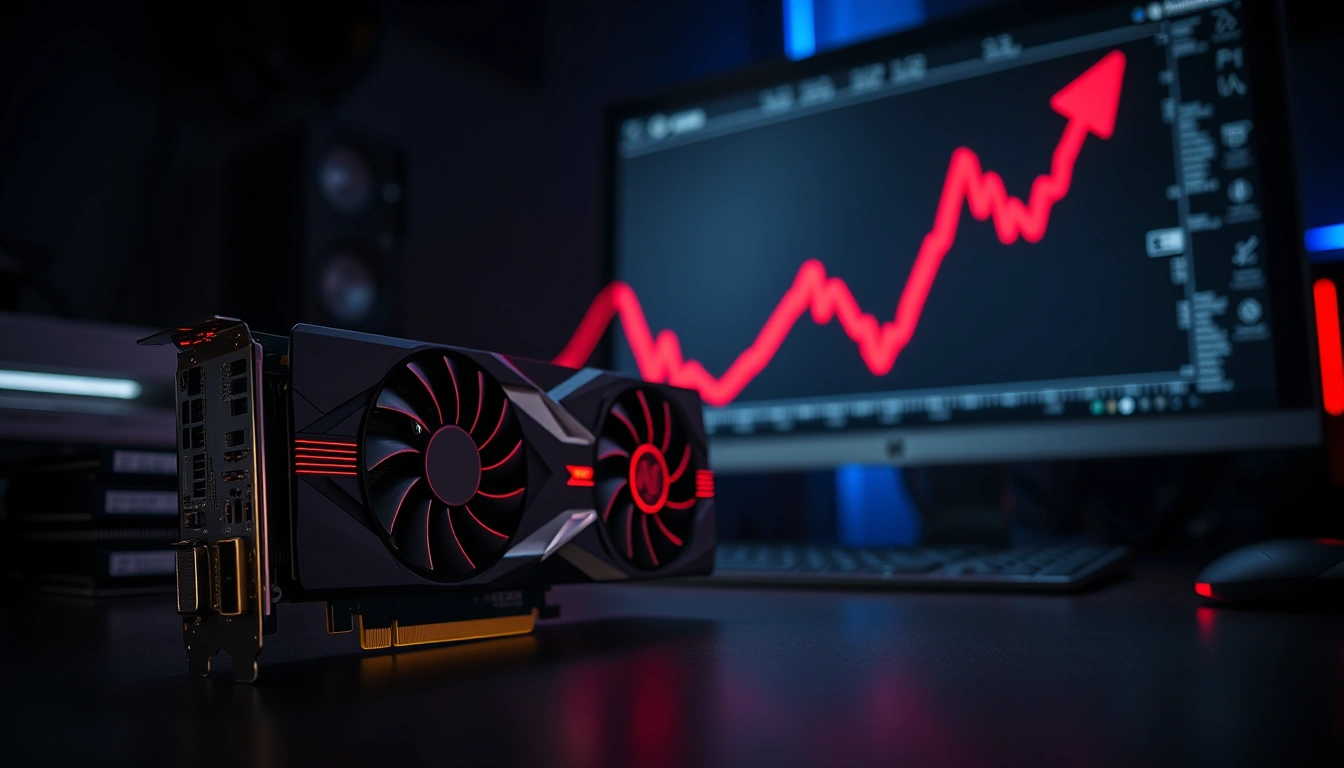
RTX 50-Series Prices Hike Again Due to Supply Constraints
NVIDIA board partners, including Colorful and Gigabyte, have announced another round of price increases for RTX 50-series GPUs, effective this month. The RTX 5080 is expected to jump by nearly $120 (approx. 800 Yuan), while the RTX 5070 Ti will see increases of 100–150 Yuan. These hikes are driven by insufficient quantity and ongoing supply issues, reflecting the broader trend of AI demand squeezing consumer GPU availability.
Nvidia Data Center Revenue Hits Record Highs
Nvidia reported fiscal Q2 2027 revenue of $96.2 billion, a 106% year-over-year increase, driven largely by data center demand. CFO commentary highlighted that about half of the data center business now comes from customers beyond the traditional hyperscalers, indicating a broader enterprise adoption of AI infrastructure. This financial strength supports Nvidia's ability to invest in the next-gen Rubin architecture while maintaining pricing power.
India Emerges as Major Hub for Nvidia GPU Deployment
Indian data center companies are placing massive orders for Nvidia accelerators, signaling a geographic diversification of AI infrastructure. AM Intelligence has ordered approximately 9,000 Vera Rubin GPUs to build a cluster in Hyderabad, while Yotta Data Services plans to deploy 80,000 GPUs across two data centers as part of a $12 billion expansion. These orders highlight the global appetite for Nvidia’s latest hardware despite potential allocation challenges.
Local view
Korea: Local tech media reports highlight significant memory and copper shortages impacting semiconductor supply chains, noting that AI data center competition has moved beyond just GPU acquisition to securing foundational materials. Additionally, Korean outlets are closely tracking the massive Nvidia GPU orders from Indian firms, viewing it as a sign of shifting global AI investment flows away from traditional Western hubs.
Context & numbers
- Nvidia Q2 FY2027 Revenue: $96.2 billion (up 106% YoY).
- RTX 5080 Price Increase: Approx. $120 (800 Yuan) increase from board partners.
- Vera Rubin System Specs: 576 GPUs, 2,304 HBM4e stacks, 150TB memory per system.
- Indian GPU Orders: ~9,000 Vera Rubin GPUs (AM Intelligence) and 80,000 total GPUs (Yotta Data Services).
On the radar
- AMD MI400 Ramp-up: While specific fresh news on MI400 shipments is limited in the last week, the competitive pressure from Nvidia's Rubin production start will likely force AMD to accelerate its MI400 marketing and deployment timelines in late 2026.
- China Grey Market Dynamics: Reports from June indicated DGX B300 prices doubling in China's grey market; continued export controls may lead to further volatility or new variant releases for the Chinese market in Q4 2026.
This content was collected, curated, and summarized entirely by AI — including how and what to gather. It may contain inaccuracies. Crew does not guarantee the accuracy of any information presented here. Always verify facts on your own before acting on them. Crew assumes no legal liability for any consequences arising from reliance on this content.
Powered by
