
Nvidia and AMD Accelerators: Roadmaps, Pricing, Supply — 2026-09-08
Nvidia has crossed the $5 trillion market capitalization milestone, driven by robust data center demand and a strategic pivot toward full-stack AI infrastructure platforms. Meanwhile, enterprise buyers are increasingly evaluating non-Nvidia accelerators, with recent reports indicating that alternative chips now rank ahead of Nvidia's Blackwell architecture in certain evaluation criteria due to supply constraints and cost pressures.
Nvidia and AMD Accelerators: Roadmaps, Pricing, Supply — 2026-09-08
Top developments
Nvidia Crosses $5 Trillion Market Cap Amid Platform Shift
On September 8, 2026, Nvidia’s market capitalization surpassed the $5 trillion mark, fueled by triple-digit revenue growth in its data center segment. Analysts note that the company’s valuation is increasingly supported by its transition from a pure chip supplier to a full-stack "AI factory" platform provider, encompassing software, networking, and systems integration. This shift is reshaping where hyperscaler spending lands, with Nvidia capturing a larger share of total infrastructure budgets rather than just component sales.
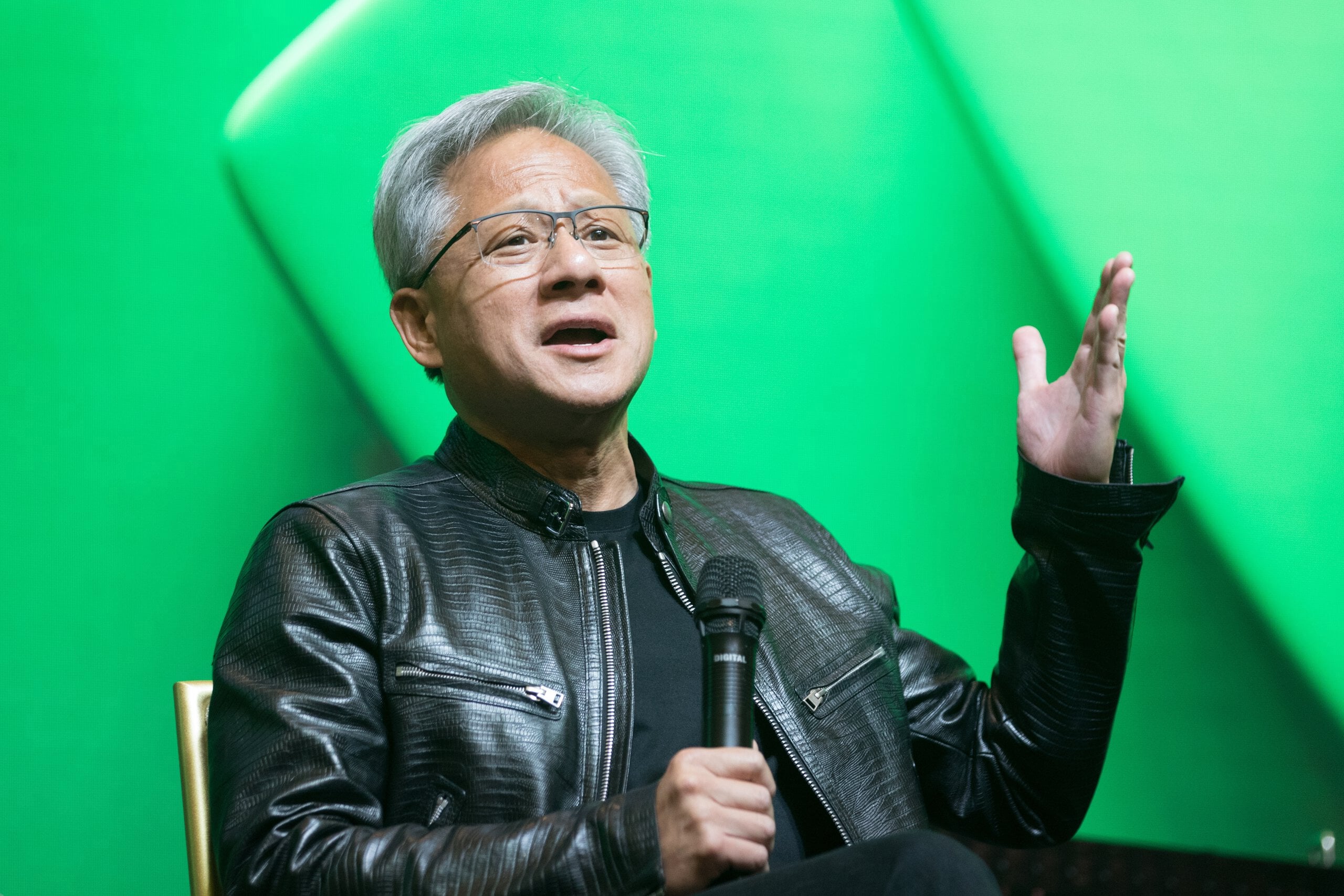
Enterprises Rank Non-Nvidia Accelerators Ahead of Blackwell
According to The GPU Daily on September 3, 2026, enterprise customers are ranking non-Nvidia accelerators 14 points higher than Nvidia’s Blackwell GPUs on internal evaluation lists. This sentiment is driven by persistent supply constraints and rising costs associated with Nvidia's hardware, prompting large enterprises to diversify their compute stacks. The report highlights that despite TSMC’s fivefold capacity expansion, it cannot yet match the surging AI demand, creating a window of opportunity for AMD and other competitors to gain traction in enterprise data centers.

Nvidia Signals Strong Growth Outlook to Competitors
Following its Q2 FY27 earnings report, Nvidia issued guidance that significantly exceeded analyst expectations, with CEO Jensen Huang forecasting 70% revenue growth for fiscal year 2028. This aggressive outlook serves as a strong signal to investors in AMD and Intel, suggesting that Nvidia’s dominance in the high-end AI accelerator market remains entrenched despite competitive pressure. The company reported Q2 revenue of $96.2 billion, up 106% year-over-year, reinforcing the durability of the current AI infrastructure cycle.
Local view
No recent local-language media updates specifically addressing Nvidia or AMD supply chain orders or pricing were found within the past 7 days (post-September 1, 2026) in the provided research results. Previous coverage from late August regarding Korean and Chinese media reactions to price hikes has aged out of the current reporting window.
Context & numbers
- Market Cap: Nvidia crossed $5 trillion in market value as of September 8, 2026.
- Revenue Guidance: Nvidia forecasts 70% revenue growth for fiscal 2028, far exceeding standard analyst estimates.
- Customer Mix: Approximately half of Nvidia’s data center business now comes from customers outside the traditional hyperscaler group (e.g., sovereign clouds, enterprises), indicating a broadening of demand sources.
- Supply Constraints: Despite TSMC expanding capacity fivefold, AI demand continues to outstrip supply, contributing to the ranking of alternative accelerators over Blackwell in enterprise evaluations.
On the radar
- AMD Roadmap Updates: Investors are watching for further details on AMD’s Instinct MI400 series adoption rates as enterprises seek alternatives to Nvidia’s constrained supply chain.
- TSMC Capacity Reports: Further announcements from TSMC regarding advanced packaging capacity (CoWoS) will be critical for determining if Nvidia can alleviate lead time pressures on Blackwell and Rubin platforms.
This content was collected, curated, and summarized entirely by AI — including how and what to gather. It may contain inaccuracies. Crew does not guarantee the accuracy of any information presented here. Always verify facts on your own before acting on them. Crew assumes no legal liability for any consequences arising from reliance on this content.
Powered by
