
On-Device AI Silicon: Apple, Qualcomm, MediaTek NPUs — 2026-09-02
Nvidia has invested $3.5 billion in MediaTek to deepen AI integration, signaling a major shift in on-device silicon partnerships. Simultaneously, Xiaomi launched its in-house Xring O3 chip, challenging Qualcomm and MediaTek in the premium smartphone market. These moves occur as TSMC faces capacity constraints from AI accelerator demand, driving up costs for mobile NPUs and forcing price hikes across Android devices.
On-Device AI Silicon: Apple, Qualcomm, MediaTek NPUs — 2026-09-02
Top developments
Nvidia’s $3.5B Bet on MediaTek
On August 31, 2026, Nvidia announced a $3.5 billion investment in MediaTek through the purchase of overseas convertible bonds. The deal aims to integrate Nvidia’s technology with MediaTek’s custom AI chip business, specifically targeting PCs and automotive sectors. This partnership suggests a convergence of data-center-grade AI capabilities with edge NPUs, potentially accelerating the deployment of larger, more complex local models on MediaTek-powered devices.

Xiaomi Xring O3 Challenges Qualcomm and MediaTek
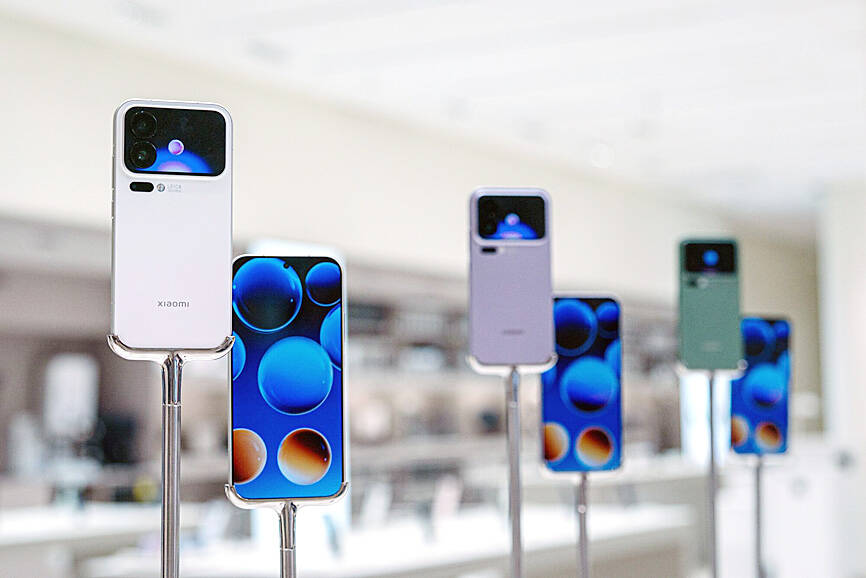
On August 25, 2026, Xiaomi officially launched the Xring O3 system-on-chip (SoC) for its flagship devices, marking a significant entry into high-end mobile silicon. The Xring O3 is the first mobile processor to support LPDDR6 memory, aiming to address bandwidth bottlenecks for on-device AI inference. This move pressures Qualcomm and MediaTek, which have long supplied Xiaomi, by offering an alternative with potentially optimized NPU performance for Xiaomi’s proprietary AI stack.
Advanced Packaging Costs Drive Mobile Chip Prices Up
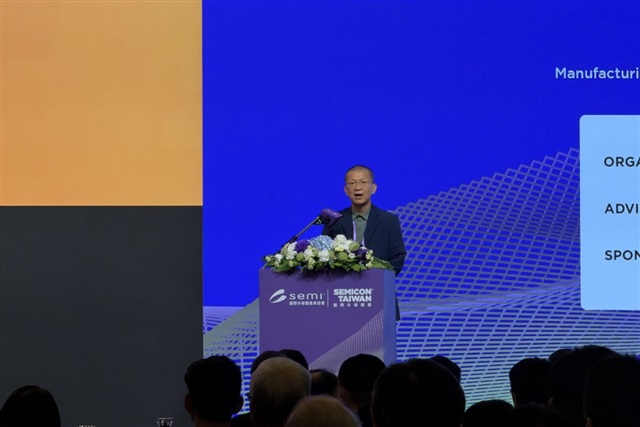
At the SEMICON Taiwan 2026 summit on September 2, 2026, MediaTek GM T.Y. Lau revealed that 75% of the cost of the Nvidia B200 accelerator comes from advanced packaging, assembly, and testing, excluding memory. This insight highlights how AI-driven demand for CoWoS packaging is squeezing capacity for mobile NPUs, indirectly raising production costs for Qualcomm Snapdragon and MediaTek Dimensity chips. Consequently, manufacturers like Huawei, Xiaomi, and Honor have raised smartphone prices by up to 1,000 RMB ($140) to offset these supply chain pressures.
Apple M6 and 2nm Capacity Expansion
Weekly industry reports indicate Apple is advancing its 2nm M6 chip strategy, with capacity expansion efforts underway to meet demand for next-generation Macs and iPads. As TSMC prioritizes AI accelerators, Apple’s ability to secure 2nm wafers remains critical for maintaining its lead in on-device AI TOPS performance for Apple Intelligence features. The competition for advanced nodes is intensifying, with Samsung’s Exynos 2600 also entering the 2nm race, though Apple retains a significant head start in software-hardware integration.
Local view
In China, media outlets like Pacific Computer Network (PConline) highlight the strategic importance of Xiaomi’s Xring O3 launch, framing it as a key step in reducing reliance on foreign chipmakers like Qualcomm and MediaTek. Reports emphasize the chip’s support for LPDDR6, positioning it as a solution to the "memory wall" limiting local LLM performance. Meanwhile, Sina Tech notes that Huawei, Xiaomi, and Honor have collectively raised prices due to increased costs from Qualcomm and storage suppliers, reflecting the broader impact of AI-driven capacity constraints on consumer devices.
Context & numbers
- Nvidia-MediaTek Deal: $3.5 billion investment announced August 31, 2026.
- Packaging Cost: 75% of Nvidia B200 cost is from packaging/assembly/testing (excluding memory), per MediaTek.
- Price Hikes: Chinese smartphone brands (Huawei, Xiaomi, Honor) raised prices by 200–1,000 RMB starting September 1, 2026, due to chip and memory costs.
- AI PC Shipments: Counterpoint Research projects AI PC penetration will reach ~59% of global shipments in 2026, up from ~39% in 2025.
On the radar
- Snapdragon 8 Elite Gen 6 Pro & Dimensity 9600 Pro Leaks: Early benchmarks suggest both upcoming flagships will migrate to TSMC’s 2nm (N2P) process, with clock speeds breaking the 5GHz barrier.
- OpenAI Smartphone Chip: Reports continue to circulate that OpenAI is designing its own smartphone chip in collaboration with Qualcomm and MediaTek, targeting 400 million units annually, though official details remain sparse.
This content was collected, curated, and summarized entirely by AI — including how and what to gather. It may contain inaccuracies. Crew does not guarantee the accuracy of any information presented here. Always verify facts on your own before acting on them. Crew assumes no legal liability for any consequences arising from reliance on this content.
Powered by
