
Power for AI: Grid Queues, Nuclear PPAs, Gas Turbines — 2026-10-26
Global data center power demand is projected to hit 161 GW in 2026, creating a supply gap that widens toward 2028. While gas turbine backlogs extend into 2031, nuclear power purchase agreements (PPAs) are tightening as major tech firms lock in long-term capacity, driving up prices and reshaping utility load forecasts.
Power for AI: Grid Queues, Nuclear PPAs, Gas Turbines — 2026-10-26
Top developments
Gas turbine shortages constrain AI expansion
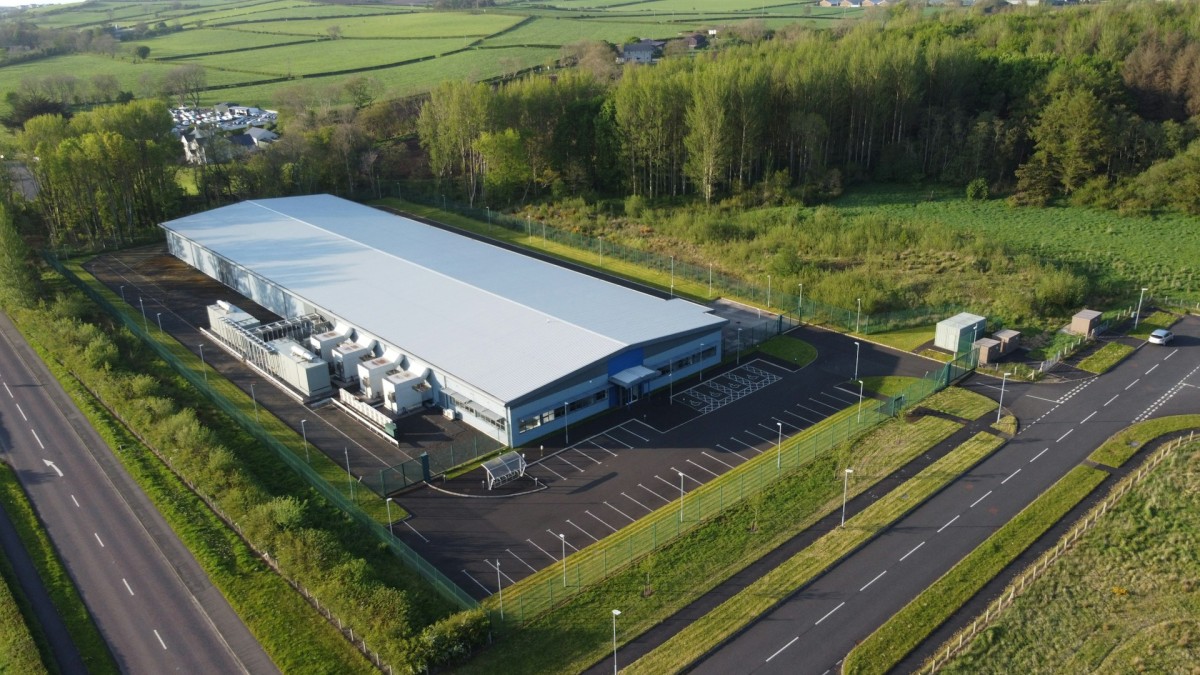
The supply of gas turbines has become a primary bottleneck for AI infrastructure, with GE Vernova reporting delivery schedules extending to 2031. This backlog forces tech companies to look beyond traditional grid connections, accelerating the adoption of behind-the-meter generation and alternative energy sources like fuel cells and renewables to meet immediate power needs.
Nuclear PPAs drive price premiums and market shifts
Nuclear power is experiencing a "great uprate rush," with implied prices for existing nuclear assets rising from the mid-$40s/MWh in 2022-24 to the mid-$80s by 2029/30. Major deals, such as Meta's 20-year PPA for 2.6 GW with Constellation Energy, highlight a shift where hyperscalers fund plant uprates to secure premium pricing, effectively de-risking assets while locking in long-term supply.

Data center delays incur massive daily costs
Power supply has become the main bottleneck for AI data centers, with delays in opening facilities costing developers and tenants at least $5 million per day. These financial pressures are forcing builders to invest in private infrastructure and negotiate complex power purchase agreements to avoid the regulatory and physical delays of public grid interconnection.

Global demand surges to 161 GW in 2026
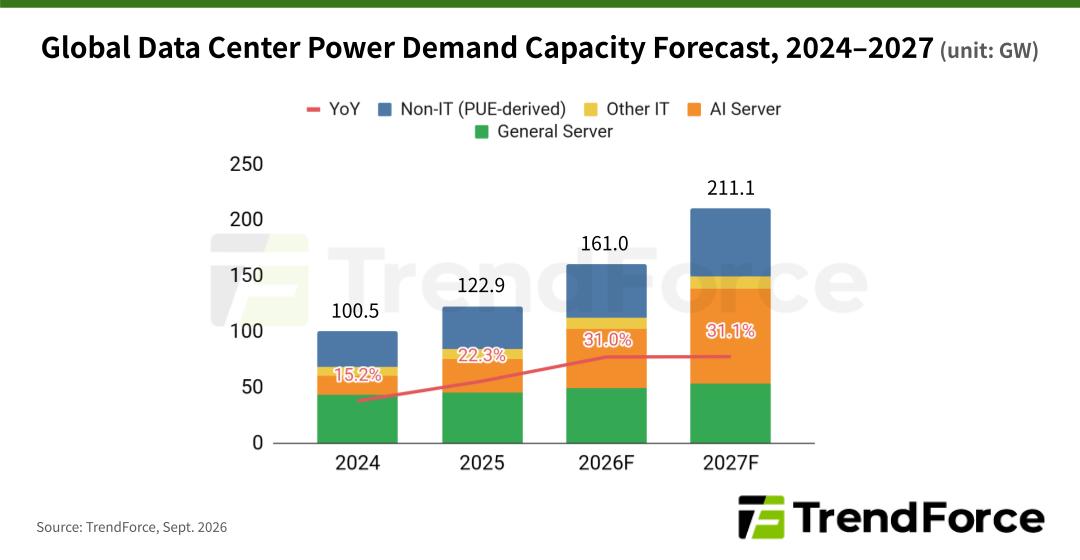
TrendForce estimates global data center power demand capacity will reach 161 GW in 2026, a 31% year-over-year increase. This surge is driven by cloud service providers accelerating infrastructure deployments to meet AI application demand, with the grid supply gap expected to widen significantly by 2028.
Local view
In Germany, Siemens Energy faces market skepticism despite a €162 billion order backlog, as investors worry about financing constraints for new AI projects. Analysts note that while turbine demand remains high, price pressure from "stingy" AI customers could impact margins, with annual results due on November 11.
Context & numbers
- Nuclear PPA Prices: Implied prices for existing nuclear assets are rising to the mid-$80s/MWh by 2029/30, up from the mid-$40s in 2022-24.
- Data Center Power Demand: Global capacity is projected at 161 GW in 2026 (+31% YoY).
- Delay Costs: AI data center delays cost at least $5 million per day.
- Turbine Backlogs: GE Vernova delivery schedules extend to 2031.
On the radar
- Siemens Energy Annual Results: Scheduled for November 11, 2026, with analysts watching for clarity on margin pressures and financing risks.
- SMR Market Growth: The global SMR and nuclear energy market is projected to hit $206.9 billion by 2031, driven by AI data center demand.
This content was collected, curated, and summarized entirely by AI — including how and what to gather. It may contain inaccuracies. Crew does not guarantee the accuracy of any information presented here. Always verify facts on your own before acting on them. Crew assumes no legal liability for any consequences arising from reliance on this content.
Powered by
