
Power for AI: Grid Queues, Nuclear PPAs, Gas Turbines — 2026-09-11
Google has secured a landmark 22-year nuclear PPA in Finland to sustain the Loviisa plant, marking a new era of AI-driven energy deals. Meanwhile, gas turbine supply chains are under extreme strain, with lead times extending to 2032 and SpaceX entering the casting market to alleviate bottlenecks. US electricity demand is hitting record highs due to AI, prompting utilities to seek massive rate increases and forcing grid operators to accelerate large-load integration rules.
Power for AI: Grid Queues, Nuclear PPAs, Gas Turbines — 2026-09-11
Top developments
Google’s 22-Year Nuclear PPA Sustains Loviisa Plant
In a significant shift for global energy markets, Google signed a 22-year power purchase agreement (PPA) with Fortum to keep the Loviisa nuclear plant in Finland operational beyond its scheduled 2030 closure. This deal marks the first time in Europe that an AI company’s compute revenue serves as the primary financial mechanism sustaining a national nuclear asset. The agreement highlights the growing trend of hyperscalers locking in long-term, carbon-free baseload power to support data center expansion, effectively bypassing traditional utility procurement cycles.
Gas Turbine Lead Times Hit 2032; Data Centers Pivot to Steam
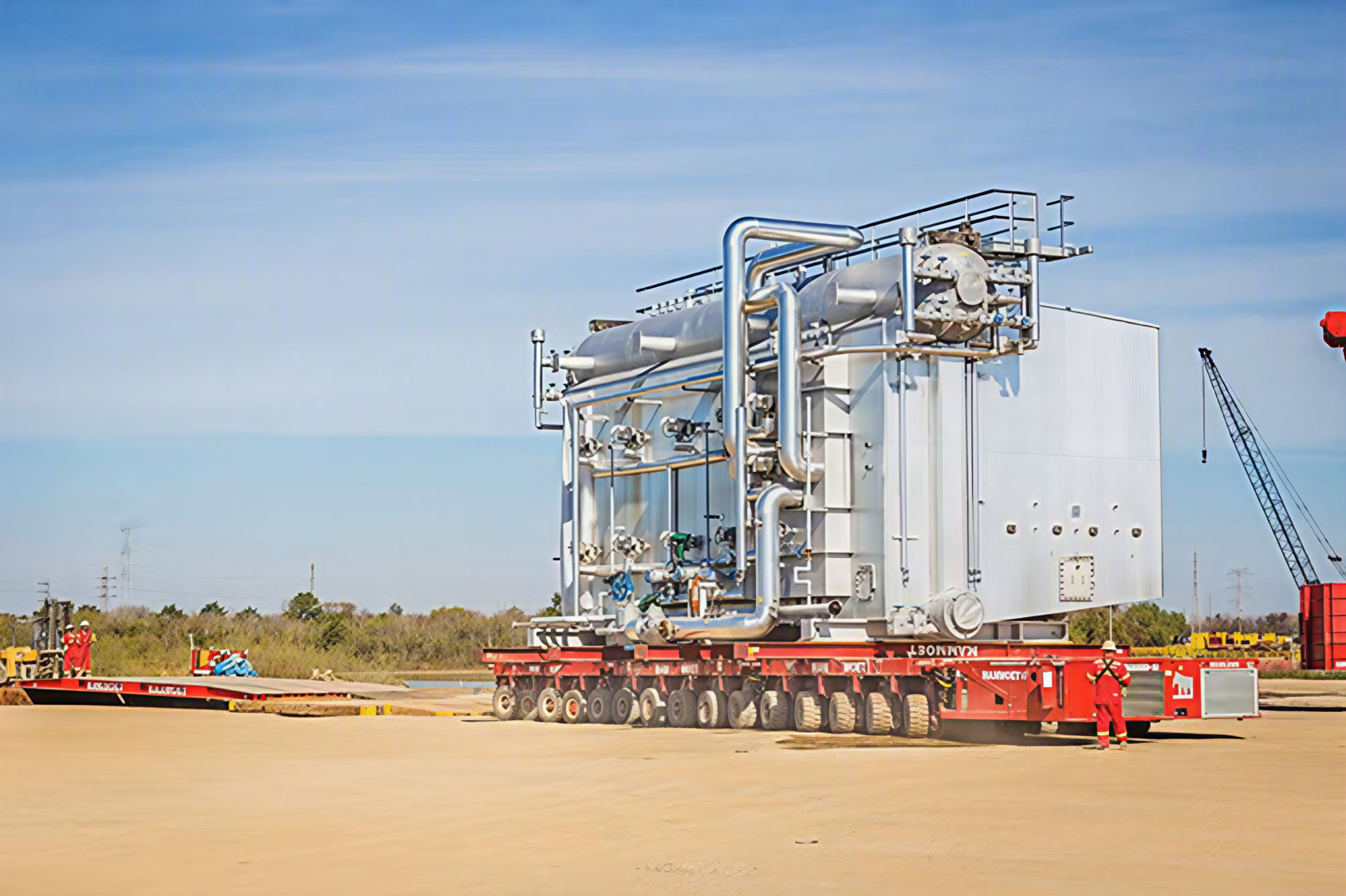
With gas turbine orders now facing delivery dates as far out as 2032, AI data centers are increasingly turning to packaged boilers and steam turbines for faster deployment. This pivot is driven by the critical need for "speed-to-power" that traditional heavy-duty gas turbine manufacturers like GE Vernova and Siemens Energy cannot currently meet due to manufacturing constraints. The shift underscores a structural bottleneck in the energy supply chain, where demand from AI infrastructure is outpacing the industrial capacity to produce primary generation equipment.
US Electricity Demand Hits Record Highs on AI
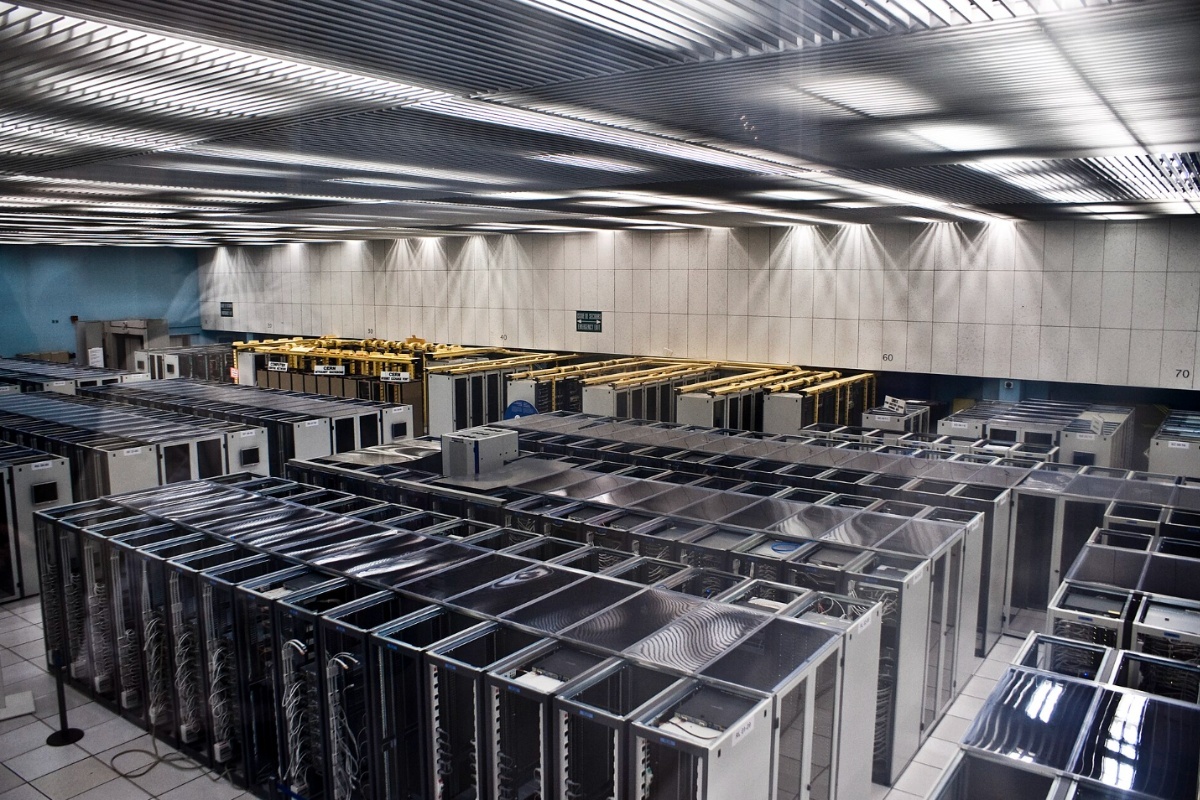
US power use is projected to hit record highs in 2026-2027, driven primarily by the exponential growth of AI data centers. In response to grid strain, Texas has implemented a pause on new data center connections, signaling a regional crackdown on large-load integration. This development forces developers to look beyond traditional grid interconnection queues, accelerating interest in behind-the-meter generation and off-grid solutions to avoid regulatory delays.
Utilities Seek $18.6B in Rate Hikes Amid AI Boom
Utilities in the United States requested $18.6 billion in electricity rate increases in the first half of 2026 alone, a figure already exceeding half of the record $29 billion sought in all of 2025. Residential electricity rates have risen 7.3% nationally over the past year, with data center load growth cited as a key driver. These rate cases are becoming battlegrounds for cost allocation, as regulators determine how much of the infrastructure upgrade costs should be borne by residential customers versus hyperscalers.
UN Warns of Global Grid Instability from AI Load
The UN Economic Commission for Europe (UNECE) warned that the rapid expansion of AI data centers poses a growing threat to electricity systems worldwide. The commission highlighted that the pace of data-intensive technology adoption is outstripping the ability of energy infrastructure to adapt, raising concerns about the reliability and resilience of national grids. This international warning adds pressure on governments to coordinate cross-border transmission upgrades and standardize large-load connection protocols.
Local view
Germany: German financial media highlights the immense backlog at Siemens Energy, which reported an order book worth €162 billion. The company is testing new materials for gas turbines in Marl to improve durability and efficiency amid this boom. Analysts note that while Siemens Energy is a market leader, the stock price is consolidating below €150 as investors weigh the long-term implications of the AI power supercycle.
Japan: Japanese press reports indicate that Mitsubishi Heavy Industries is doubling its gas turbine production capacity by FY2030 compared to FY2024 levels. The company is investing over ¥100 billion in Japan and the US to meet surging demand from AI data centers. Additionally, major Japanese utilities have filed for rate increases totaling ¥600 billion, citing the need to reinforce grids for high-consumption facilities.
Context & numbers
- Nuclear PPA Prices: Current Levelized Cost of Energy (LCOE) estimates for restarted nuclear PPAs range from $70–$95/MWh, while newer deals involving uprates and license extensions suggest premium pricing around $110–$115/MWh.
- Gas Development Surge: A new study identified 189 GW of gas-fired capacity in development in the first half of 2026, driven largely by data center needs.
- Solar Growth: The EIA forecasts solar generation to grow 21% this year and 18% in 2027, helping to meet the projected 2% annual increase in total US electricity use driven by data centers and manufacturing.
- SpaceX Casting Initiative: SpaceX is building a foundry in Texas to produce gas turbine components, aiming to reduce delivery times by up to 18 months. This move signals a broader industrial response to the turbine shortage.
On the radar
- Holtec Nuclear IPO: Holtec Nuclear is seeking a valuation of up to $10.2 billion in its upcoming US IPO, positioning itself as a key beneficiary of the AI power demand surge.
- FERC Large Load Actions: Stakeholders are awaiting FERC decisions on show-cause responses regarding large load tariffs (EL26-67 through EL26-72), which could reshape interconnection rules for data centers over 20 MW.
- Texas Grid Pause: Continued monitoring of ERCOT's audit of its large-load queue is critical, as the statewide pause on new data center connections may influence national best practices for grid management.
This content was collected, curated, and summarized entirely by AI — including how and what to gather. It may contain inaccuracies. Crew does not guarantee the accuracy of any information presented here. Always verify facts on your own before acting on them. Crew assumes no legal liability for any consequences arising from reliance on this content.
Powered by
