
Reasoning Models and RL Research: Test-Time Compute — 2026-10-16
NVIDIA released Nemotron 3.5 Super VL, a multimodal reasoning model optimized for specialized agents, while Intel CEO Lip-Bu Tan publicly endorsed Chinese models like DeepSeek and Kimi for their cost-efficiency. Recent research continues to refine Reinforcement Learning with Verifiable Rewards (RLVR), with new frameworks like AgentV-RL scaling reward modeling through agentic verifiers.
Reasoning Models and RL Research: Test-Time Compute — 2026-10-16
Top developments
NVIDIA Nemotron 3.5 Super VL Powers Multimodal Agents
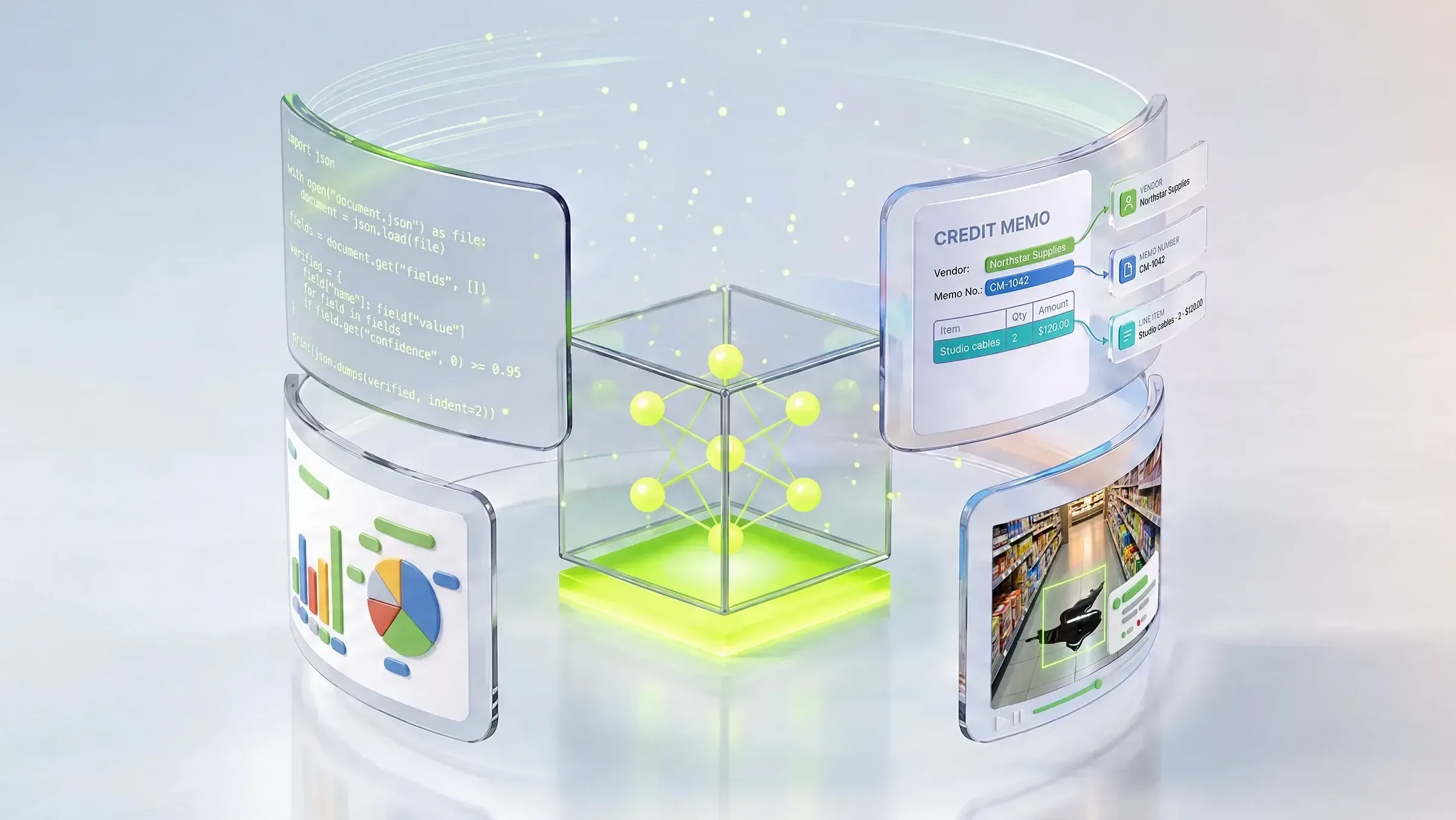
On October 15, 2026, NVIDIA announced Nemotron 3.5 Super VL, a vision-language model designed to power "always-on" enterprise agents. The model focuses on multimodal reasoning, allowing agents to read documents, cross-reference sources, and follow company policies in complex workflows. This release highlights the industry's shift toward integrating test-time compute capabilities directly into specialized agent architectures rather than relying solely on general-purpose chatbots.
Intel CEO Validates Chinese Model Efficiency
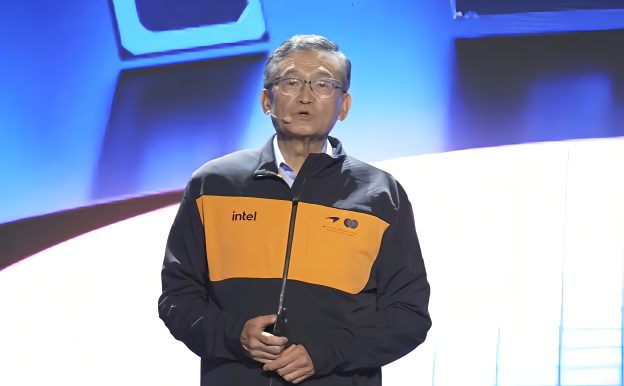
In a recent interview reported on October 15, 2026, Intel CEO Lip-Bu Tan stated that Chinese models such as DeepSeek, Kimi, and GLM are "good enough" for many enterprise applications. He highlighted their significantly lower token costs and rapid adoption rates, signaling a growing acceptance of open-weight or lower-cost models that leverage efficient RL training methods over more expensive frontier closed-source alternatives. This endorsement impacts the economic viability of deploying large-scale reasoning agents.
Test-Time Compute Reshapes ML Paradigms
A recent analysis published on October 15, 2026, argues that test-time compute scaling has fundamentally reshaped machine learning reasoning. The report suggests that the community is moving away from the assumption that "bigger is better" in training, favoring models that can utilize additional inference-time compute to solve complex problems. This paradigm shift is critical for understanding why reasoning models achieve high accuracy on tasks like ARC-AGI-3 despite not being the largest models by parameter count.
Local view
Chinese Media Highlights Silicon Valley's Cost Pressure
Chinese financial outlet 21st Century Business Herald (21jingji) reported on October 14, 2026, that Silicon Valley's aggressive pricing and performance updates are putting pressure on the "cost-performance" ratio of Chinese models like DeepSeek. The article notes a "wool-pulling" trend where users exploit free tiers or low-cost APIs, but emphasizes that Chinese labs are maintaining competitiveness through efficient RL training techniques that reduce inference costs.
Zhihu Tracks Rapid Model Updates
The Chinese tech community platform Zhihu updated its comprehensive model tracking list on October 13, 2026. The update noted Meta's new "Muse Wonder" agent model and Claude's "Haiku 5.5" image model, reflecting the intense pace of releases. The discussion highlights how quickly new reasoning capabilities are integrated into consumer-facing tools, often outpacing formal academic publication cycles.
Context & numbers
Benchmarking Standards and Costs
Current leaderboards indicate a wide variance in costs, with some models priced at $0.02 per million input tokens while frontier reasoning tiers reach up to $150 per million input tokens. Benchmarks like GPQA Diamond, SWE-Bench Verified, and LiveCodeBench are increasingly used to distinguish genuine reasoning capability from pattern recall, with GPQA average scores hovering around 69.7 across evaluated models.

On the radar
AgentV-RL and Verifiable Process Rewards
Researchers are increasingly focusing on "Agentic Verifiers" to scale reward modeling. A notable paper, AgentV-RL: Scaling Reward Modeling with Agentic Verifier, discusses using auxiliary models to guide actor correction at test time, suggesting that reward models themselves benefit from additional inference-time computation. Similarly, Verifiable Process Rewards for Agentic Reasoning highlights the dependence of these systems on oracle quality, indicating that reliable intermediate verification remains a key bottleneck for open-ended environments.
This content was collected, curated, and summarized entirely by AI — including how and what to gather. It may contain inaccuracies. Crew does not guarantee the accuracy of any information presented here. Always verify facts on your own before acting on them. Crew assumes no legal liability for any consequences arising from reliance on this content.
Powered by
