
AI Regulation: EU AI Act, US States, UK and Korea — 2026-09-09
The EU AI Act’s enforcement phase is fully active, with high-risk obligations deferred to 2027/2028 via the Digital Omnibus, while transparency rules for AI-generated content are now strictly enforced. In the US, a complex patchwork of state laws in California, Texas, and Colorado continues to challenge federal pre-emption efforts, with Colorado’s new Automated Decision-Making Technology Act taking effect in 2027. South Korea has initiated parliamentary review of its AI Basic Act amendments, focusing on high-impact AI regulations and industry safety standards.
AI Regulation: EU AI Act, US States, UK and Korea — 2026-09-09
Top developments
EU Digital Omnibus Defers High-Risk Obligations to 2027/2028
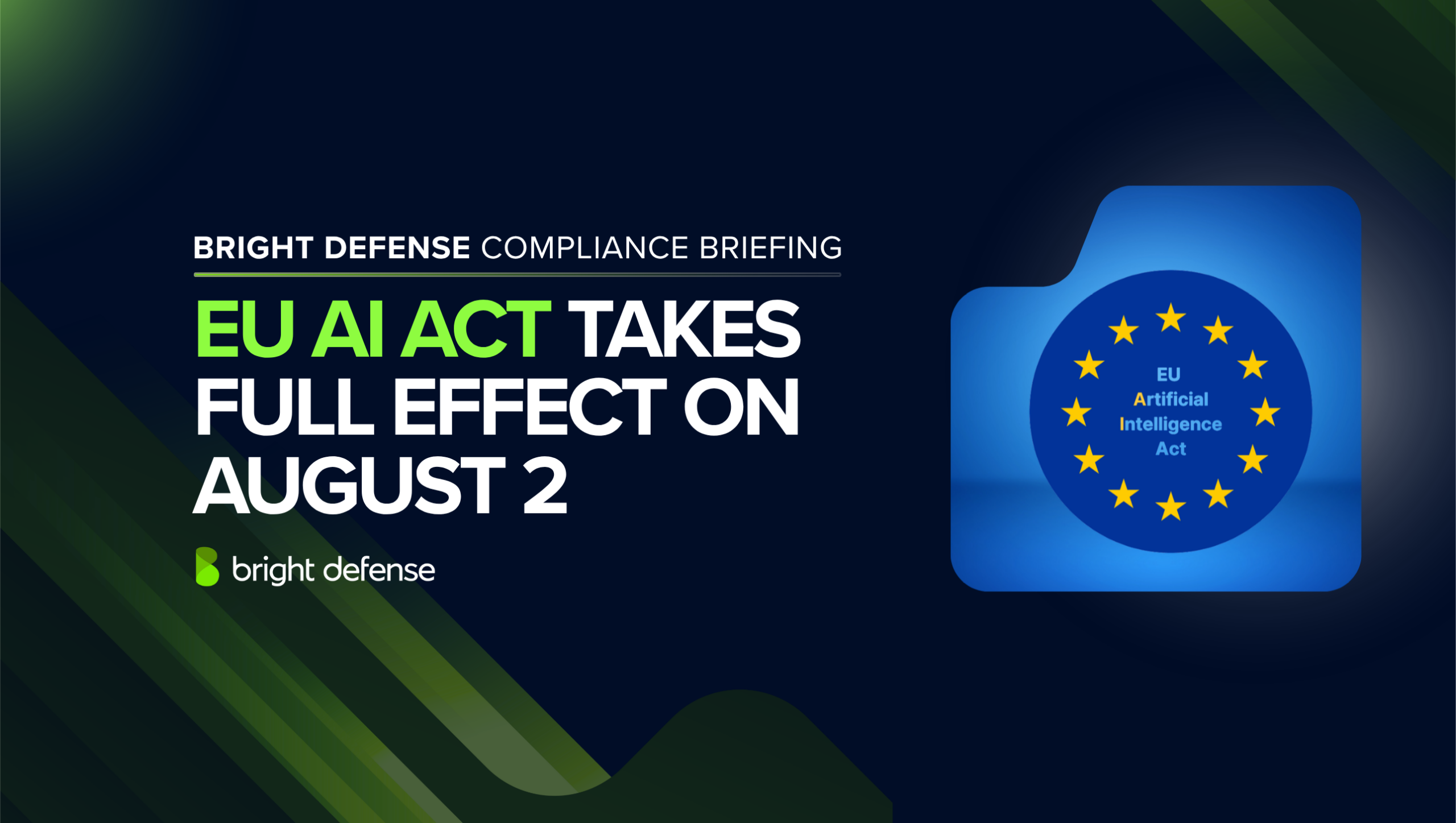
The European Commission confirmed that while the general applicability of the AI Act began on August 2, 2026, key high-risk system obligations have been deferred. The Digital Omnibus Regulation (EU) 2026/1744, published in July, shifts Chapter III obligations for certain high-risk systems to December 2027 and August 2028. This adjustment provides companies with additional time to comply with stringent transparency and safety requirements for generative AI, though Article 50 transparency duties remain in force.
Colorado Replaces 2024 AI Act with New Automated Decision-Making Framework
Colorado has repealed its original 2024 AI Act (SB 24-205) and replaced it with SB 26-189, the Automated Decision-Making Technology Act, signed in May 2026. The new law, which takes effect in January 2027, introduces substantive obligations for automated decision-making systems, aligning with broader state efforts to regulate algorithmic bias and transparency. This move highlights the growing divergence between state-level AI regulations and federal inaction, creating compliance complexities for multi-state operators.
South Korea Begins Parliamentary Review of AI Basic Act Amendments
South Korea’s National Assembly Science and ICT Committee has commenced deliberations on multiple bills amending the AI Basic Act. The review focuses on defining "high-impact AI" categories and establishing stricter safety verification protocols before market release. Industry stakeholders are urging the government to balance regulation with innovation support, particularly regarding watermarking obligations and liability frameworks for AI-generated content.

France Clarifies "No Exoneration" Despite Digital Omnibus Delays
French legal experts emphasize that the EU’s Digital Omnibus delays do not exempt companies from current obligations. A recent analysis notes that while high-risk classification deadlines have shifted, transparency requirements for AI-generated content and general-purpose AI models are already enforceable. French firms are advised to prioritize immediate compliance with Article 50 to avoid penalties, which can reach up to €35 million or 7% of global turnover.
Local view
In Germany, the Federal Network Agency (Bundesnetzagentur) has solidified its role as the primary AI supervisory authority, working alongside BaFin and BSI to enforce the AI Act. Local media highlight the "slim" regulatory approach adopted by the German government to maintain innovation openness while meeting EU mandates. In France, tech blogs like Journaldunet warn that the deferral of high-risk rules is a "trap" if interpreted as a pause on compliance, noting that transparency and cybersecurity obligations are already active.
Context & numbers
- Penalties: Fines under the EU AI Act can reach €35 million or 7% of global annual turnover for prohibited practices or severe non-compliance.
- State Laws: As of late 2026, at least five US states (California, Colorado, Texas, New York, Illinois) have comprehensive AI laws either in force or effective by January 1, 2027.
- Compliance Gap: Reports indicate that 78% of companies have not yet started comprehensive compliance planning for the EU AI Act’s high-risk provisions, despite the August 2026 applicability date.
On the radar
- New York Moratorium: Governor Kathy Hochul is yet to sign or veto New York’s proposed AI moratorium bill, which could pause certain AI deployments pending further study.
- EU Standards Publication: The European Commission is expected to publish final harmonized standards for high-risk AI systems ahead of the 2027 deadline, which will define technical compliance benchmarks.
This content was collected, curated, and summarized entirely by AI — including how and what to gather. It may contain inaccuracies. Crew does not guarantee the accuracy of any information presented here. Always verify facts on your own before acting on them. Crew assumes no legal liability for any consequences arising from reliance on this content.
Powered by
