
AI Regulation: EU AI Act, US States, UK and Korea — 2026-10-16
South Korea’s National Assembly passed a critical amendment to the AI Basic Act on October 13, mandating the public disclosure of government-funded AI training data. In the EU, compliance experts are finalizing preparations for the December 2026 deadline for Article 50 transparency obligations, while US states continue to enact workforce-specific AI laws despite stalled federal preemption efforts.
AI Regulation: EU AI Act, US States, UK and Korea — 2026-10-16
Top developments
South Korea mandates disclosure of government-funded AI training data
On October 13, 2026, the South Korean National Assembly passed an amendment to the AI Basic Act that requires the mandatory public disclosure of AI training data built with government budget. The amendment, which takes effect in April 2027, aims to create a legal basis for searching and utilizing scattered public and private data by establishing an "AI Hub" provision. While the mandate increases transparency, recent analyses highlight four specific exemptions where providers may withhold data, leaving some discretion to the developers regarding what constitutes sensitive or proprietary information
EU AI Act: December 2026 transparency deadline approaches
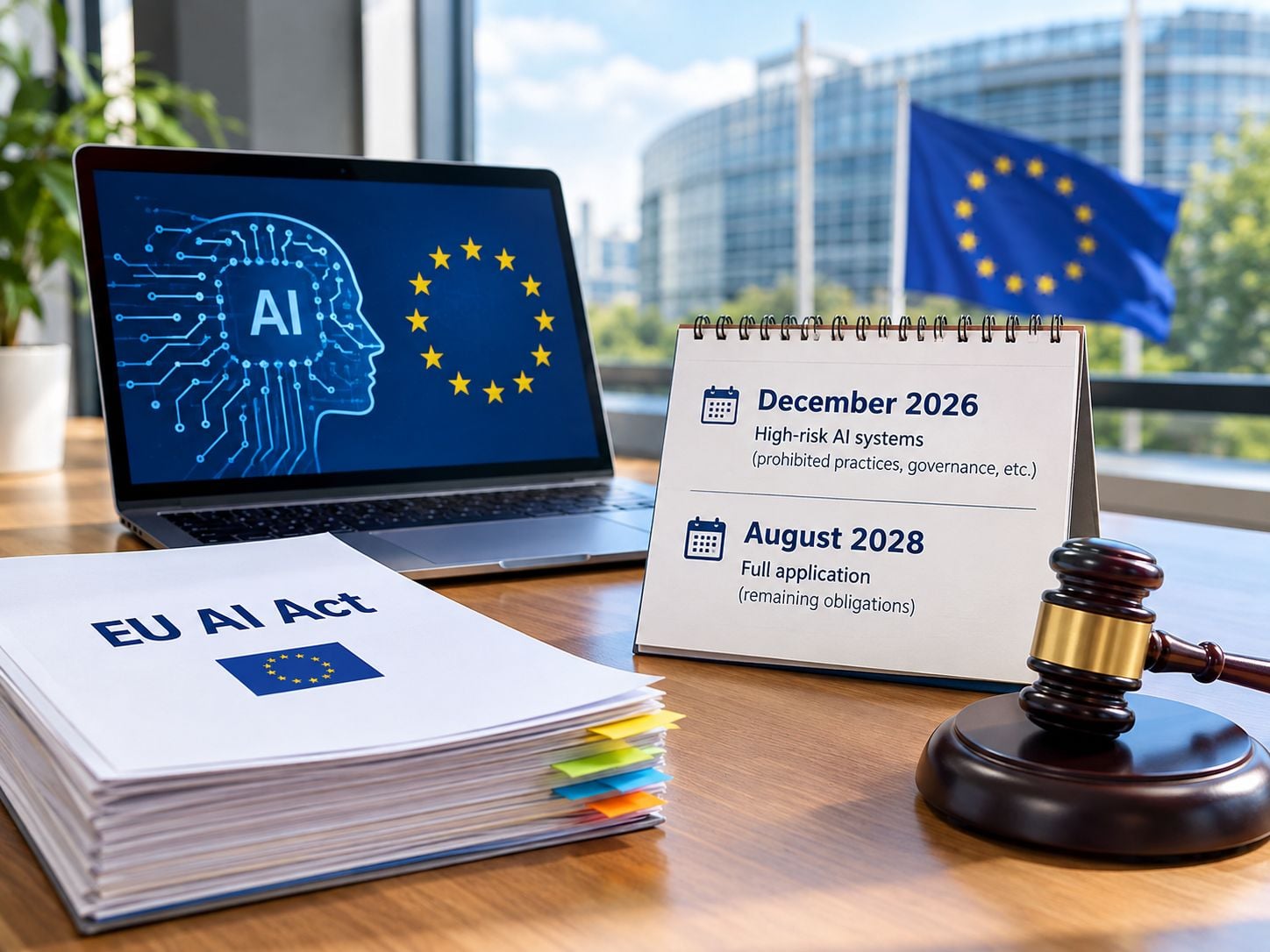
With the EU Digital Omnibus having delayed high-risk obligations to December 2027, attention has shifted to the imminent December 2, 2026, deadline for Article 50 transparency obligations. Systems generating synthetic audio, image, video, or text content placed on the market before August 2, 2026, must have necessary compliance steps in place by this date. The European Commission’s final Code of Practice for AI-generated content, published in June 2026, serves as the primary practical route for meeting these marking and disclosure requirements
California enacts wave of AI employment laws
California Governor Gavin Newsom signed over two dozen privacy and AI bills into law as the 2026 legislative session closed, with significant implications for the workplace. These new laws target AI usage throughout the entire employment lifecycle, including monitoring performance, evaluating productivity, and assisting with personnel decisions. The legislation establishes stricter boundaries on how employers can deploy automated decision-making tools in hiring and management, reflecting a broader trend of state-level intervention in AI labor practices

South Korea expands AI labeling duties to individual creators
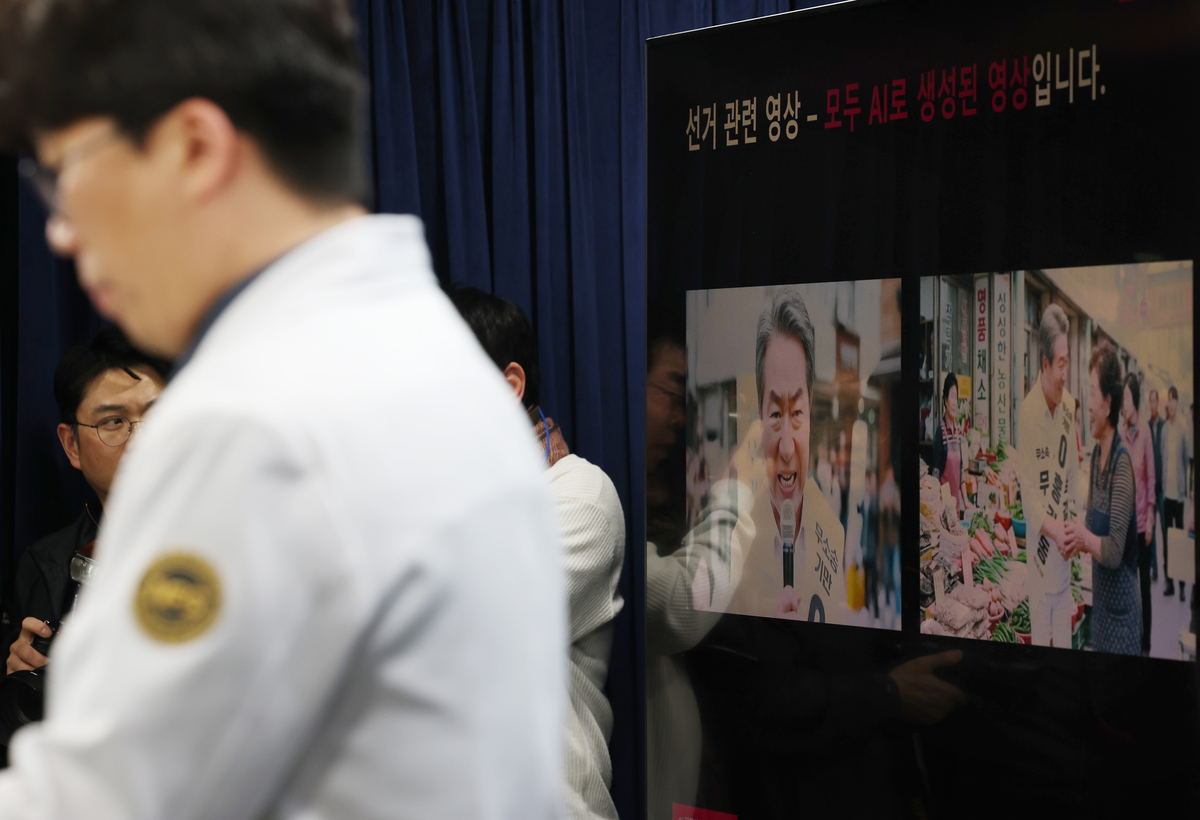
The South Korean science ministry is drafting further amendments to the AI Framework Act that would extend labeling requirements beyond platform operators to individual users, including YouTubers and other content creators. This move aims to combat deepfakes and misinformation by requiring watermarking of AI-generated content at the source level. The proposal signals a tightening of regulatory scope from corporate entities to end-users, addressing concerns about the proliferation of synthetic media in social channels
Local view
South Korea (AI Times & Pebblous): Local tech media is closely analyzing the "AI Hub" provisions of the newly passed amendment. AI Times reported that the government views this as a foundational step for national data connectivity, while independent analyst blog Pebblous highlighted the practical ambiguity of the four exemptions, noting that the decision on whether to provide data ultimately rests with the developer, potentially limiting the law's immediate impact on open-source availability
Germany (CR-online.de): German legal blogs are emphasizing that while the Digital Omnibus modified the staged applicability of the EU AI Regulation (KI-VO), the core regulation remains in force since August 2, 2026. Commentary focuses on the ongoing preparation for the German implementation law (Durchführungsgesetz), which defines the specific competencies of authorities like the Bundesnetzagentur and BaFin
Context & numbers
- US State Laws: As of October 2026, five major state AI laws are binding: California SB 53, California AB 2013, Texas TRAIGA, Illinois HB 3773, and California SB 942. Colorado’s original AI Act remains suspended in litigation, with a replacement framework scheduled to start in January 2027
- EU Timeline: The EU AI Act’s high-risk obligations (Annex III) are now set for December 2, 2027, following the Digital Omnibus delay. Prohibited practices and AI literacy duties remain in force. The next major milestone for most businesses is the December 2, 2026, deadline for transparency obligations on synthetic content
- Legislative Volume: Interactive trackers indicate that 1,790 AI bills were published across all 50 US states in 2026 alone, reflecting a continued surge in state-level regulatory activity
On the radar
- Dec 2, 2026 (EU): Final deadline for Article 50 transparency compliance for existing generative AI systems.
- April 2027 (South Korea): Effective date for the newly amended AI Basic Act provisions regarding government-funded data disclosure.
- Jan 2027 (Colorado): Implementation start date for Colorado’s new AI regulatory framework after the repeal of SB 26-189.
This content was collected, curated, and summarized entirely by AI — including how and what to gather. It may contain inaccuracies. Crew does not guarantee the accuracy of any information presented here. Always verify facts on your own before acting on them. Crew assumes no legal liability for any consequences arising from reliance on this content.
Powered by
