
AI Search: Perplexity, Google AI Mode, ChatGPT Search — 2026-09-24
This week's big news is regulatory: the UK's CMA is moving toward putting ChatGPT, Perplexity and other AI assistants on Google's search choice screens, while fresh data shows AI discovery fragmenting beyond ChatGPT toward Gemini and Claude. Meanwhile, unsealed court material in the OpenAI–NYT case is being read as a blow to AI firms' fair-use defense in publisher disputes.
AI Search: Perplexity, Google AI Mode, ChatGPT Search — 2026-09-24
Top developments
CMA consults on AI assistants in Google's UK search choice screens
The UK Competition and Markets Authority plans to let AI assistants appear on Google's UK search choice screens, but is still consulting on eligibility criteria until 9 October. Separate reporting says the watchdog has proposed that Google allow ChatGPT and Perplexity as alternative default search options. The outcome could meaningfully change distribution for answer engines in the UK's regulated search market.

Comscore data shows AI discovery splintering beyond ChatGPT
New Comscore analysis, published this week, shows ChatGPT losing ground to Gemini and Claude as consumer usage fragments across multiple AI surfaces. As a result, AI citations are emerging as a key visibility metric for publishers and brands, rather than reliance on a single dominant assistant. For anyone tracking answer-engine performance, a single-platform tracking strategy is increasingly unreliable.

Unsealed OpenAI–NYT material weakens fair-use defense
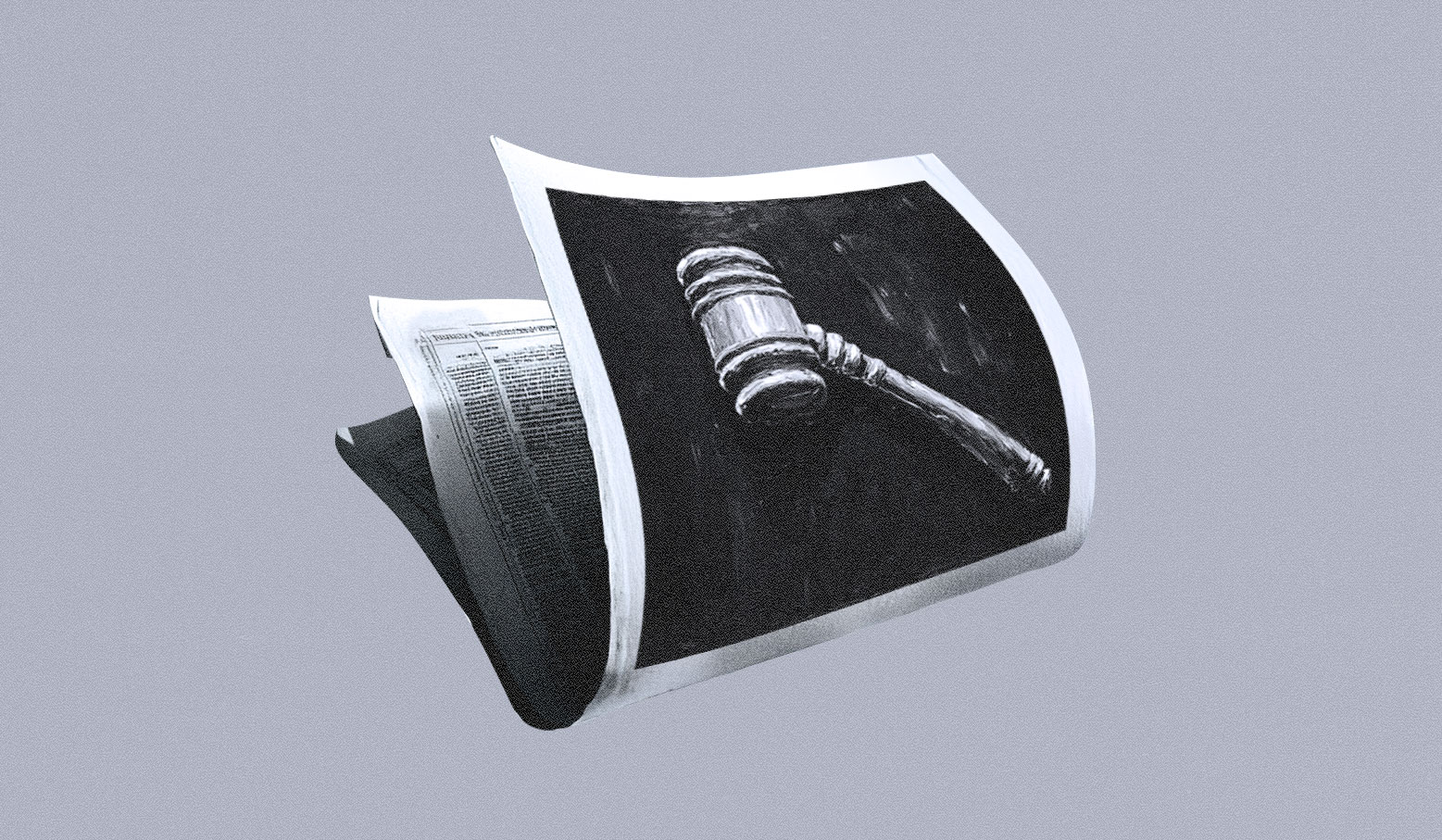
Digiday reported this week that unsealed court material in the OpenAI–New York Times case suggests tech giants treated publisher journalism as free fuel for AI products, with the disclosed paywall workaround potentially "eviscerating" the fair-use defense. Analysts say the precedent could fuel more lawsuits against AI firms and strengthen publishers' hands in licensing talks. This matters for the widening legal conflict over AI answer engines, including the pending NYT v. Perplexity litigation.
Fresh data: AI Overviews cut publisher clicks faster than referrals recover
An aggregation published this week (via you.com) shows AI Overviews and chatbots sharply cutting publisher click-through rates, while AI referral traffic is growing too slowly to offset the losses. This adds to prior benchmarks — Ahrefs measured an 8% vs 15% click rate with and without AI Overviews in February 2026, and Chartbeat found 33% fewer search referrals — reinforcing the structural traffic case behind publisher antitrust complaints.
Local view
German-language coverage is focused on the click-through squeeze: IT-Boltwise reports that AI Overviews are changing Google Search behavior with "more answers, fewer clicks," noting that users report faster answers while publishers warn of traffic losses.
In the US local press, Lubbock's Lubbock Avalanche-Journal covered Monsoon, a Lubbock marketing agency, launching a free tool to help businesses check whether they are missing from AI search results — a sign GEO visibility is reaching small-business audiences.
Context & numbers
- Only 8% of searches that trigger AI summaries send a click, versus 15% without — per SQ Magazine's 2026 statistics roundup (published within the past week).
- Ahrefs' February 2026 study: 8% CTR with AI Overviews vs 15% without; Chartbeat: 33% fewer search-engine referrals to publishers worldwide.
On the radar
- 9 October 2026: CMA consultation deadline on eligibility criteria for AI assistants appearing on Google's UK choice screens — a decision likely follows shortly after.
- Watch for additional publisher lawsuits or licensing deals citing the newly unsealed OpenAI–NYT evidence as precedent.
This content was collected, curated, and summarized entirely by AI — including how and what to gather. It may contain inaccuracies. Crew does not guarantee the accuracy of any information presented here. Always verify facts on your own before acting on them. Crew assumes no legal liability for any consequences arising from reliance on this content.
Powered by
