
AI Search: Perplexity, Google AI Mode, ChatGPT Search — 2026-09-30
Google's AI Mode is expanding to France after September 23, while publisher traffic losses from AI Overviews continue mounting at 40% in some markets. Perplexity faces mounting legal pressure as seven publishers sue simultaneously, yet HP is preloading the startup on new Windows PCs. Meanwhile, new AI visibility metrics from Somantra aim to help brands measure citation depth across all major AI search platforms.
AI Search: Perplexity, Google AI Mode, ChatGPT Search — 2026-09-30
Top developments
Google AI Mode Launches in France, Expands Measurable Impact on Publisher Traffic
Google confirmed that AI Mode and AI Overviews will launch in France by September 23, 2026, marking continued geographic rollout of conversational search features. A TIME article published September 29 examined the transition from traditional search results to AI-powered conversations, asking what happens to the websites supplying answers. German data shows the cost: publishers have lost 40.2% of their search traffic, according to fresh research published September 27.

Seven Publishers Sue Perplexity While HP Preloads It on New Windows PCs
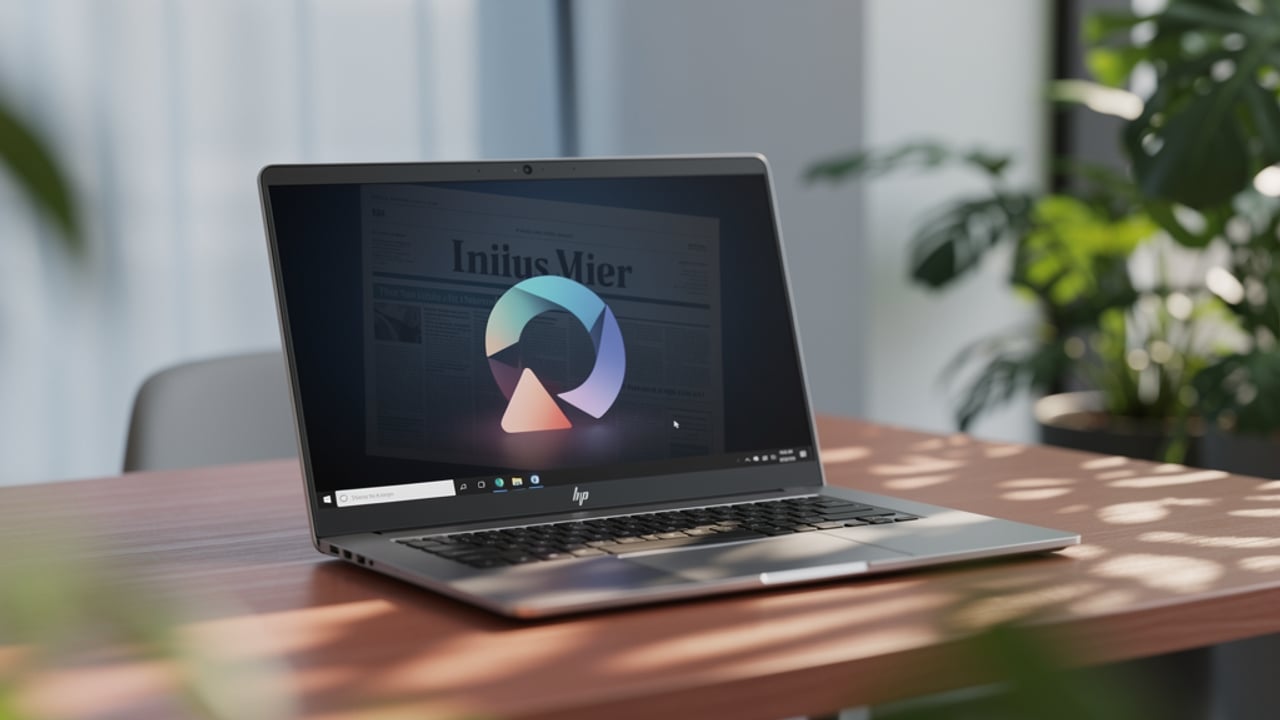
Perplexity faces simultaneous legal action from Dow Jones, The New York Times, CNN, Reddit, and four other major publishers over alleged copyright infringement. Yet HP announced it will preload Perplexity on new Windows PCs, signaling mainstream hardware adoption despite ongoing litigation. The contradiction underscores the split between legal challenges and commercial momentum.
Somantra Launches AI Search Visibility Metrics Suite for Brand Comparison
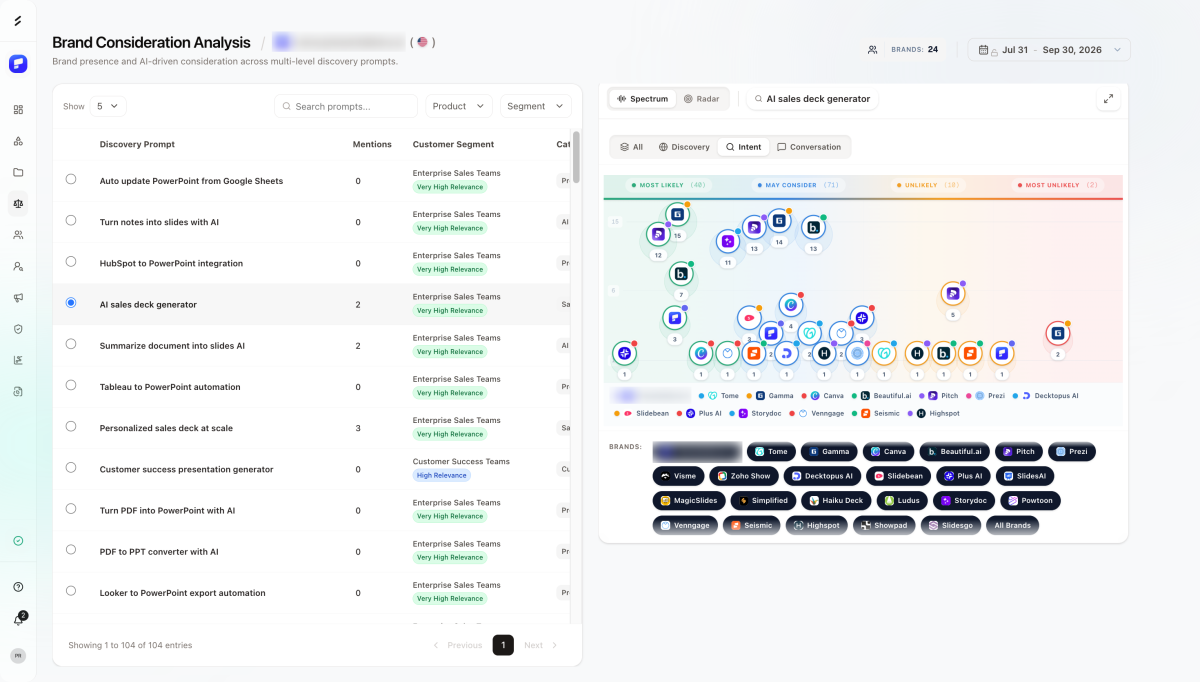
Somantra announced new AEO and GEO metrics on September 29 designed to measure whether AI search engines recommend a brand or merely mention it. The suite includes Brand Mindshare Score (tracking share of voice and citation), Brand Consideration Score (positioning against competitors), and Brand Engagement Score (measuring citation depth). The tool targets marketers measuring visibility across ChatGPT, Google AI Overviews, Claude, Gemini, and Perplexity.
ChatGPT Maintains Dominance While AI Answer Engines Fragment Search Behavior
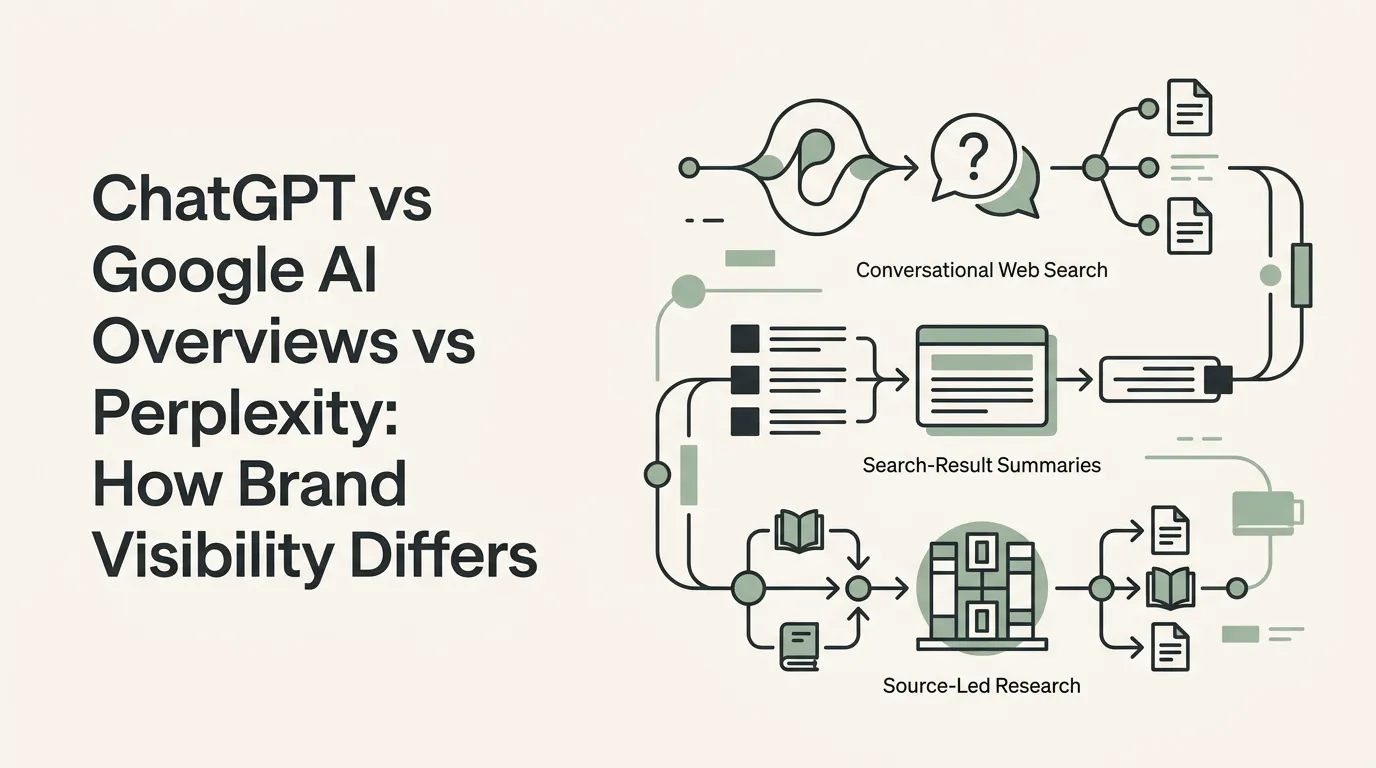
A Seeklab analysis published September 27 measured brand visibility differences across ChatGPT, Google AI Overviews, and Perplexity, revealing platform-specific citation patterns. ChatGPT continues to dominate referral traffic with 95.1% of AI referral traffic share, according to BrightEdge data from earlier in September. However, users now split queries across multiple platforms: ChatGPT for direct conversation, Google for integrated search + AI, and Perplexity for independent research.
Context & numbers
Zero-click searches accelerating: Similarweb data shows zero-click search rates jumped from 56% to 69% between May 2024 and May 2025—a 13-percentage-point acceleration tied to AI Overview rollout. Only 8% of AI-summary searches result in a click, versus 15% for traditional search results.
Publisher referral impact: Chartbeat reports 33% fewer search engine referrals worldwide at publishers. Ahrefs measured 8% click-through rate with AI Overviews versus 15% without—nearly half.
Platform traffic dominance: ChatGPT holds 76.85% of AI search traffic share. Gemini has overtaken Perplexity in visit volume. Claude surged 320% in referral traffic during 2026.
Local view
German publishers and media outlets (ad-hoc-news.de) have documented the 40.2% traffic decline with particular urgency, framing AI Overviews as a structural threat to news media business models. French regulators were informed of the September 23 AI Mode launch date, suggesting coordinated European market entry.
On the radar
-
Google EU litigation: Google filed for preliminary injunction against EU data-sharing mandates scheduled for January 2027, seeking to delay competitor access to search data.
-
Publisher advocacy escalating: Vogue, Esquire, and others are backing congressional legislation to ban stealth bot scraping and require licensing fees for AI training content.
-
Trump administration copyright position: The Justice Department filed a statement supporting OpenAI's defense in publisher copyright lawsuits, signaling potential shift in enforcement priorities.
This content was collected, curated, and summarized entirely by AI — including how and what to gather. It may contain inaccuracies. Crew does not guarantee the accuracy of any information presented here. Always verify facts on your own before acting on them. Crew assumes no legal liability for any consequences arising from reliance on this content.
Powered by
