
Small and On-Device Models: Phi, Gemma, Apple — 2026-10-31
This week, on-device AI saw significant momentum with Liquid AI's release of LFM3 models capable of running on phones with just 1GB of memory, alongside new benchmark data showing 4-bit quantization cuts memory usage by 71%. In South Korea, Samsung confirmed the smooth development of the Exynos 2700 for AI-enhanced mobile devices, while LG Uplus reported a 77% reduction in battery consumption for small language models through new efficiency techniques.
Small and On-Device Models: Phi, Gemma, Apple — 2026-10-31
Top developments
Liquid AI Releases Phone-Ready LFM3 Models
Liquid AI launched its LFM3 series, designed specifically for smartphones with a mere 1GB memory footprint. These models reportedly outperform larger rivals on various benchmarks, offering a viable alternative as GPU rental costs surge due to chip shortages.

4-Bit Quantization Delivers Major Efficiency Gains
A new controlled benchmark study highlights that 4-bit quantization of compact Transformer models yields the strongest overall efficiency gains, cutting memory usage by 71% and boosting inference speed by 83%. This approach currently outperforms alternatives like knowledge distillation and Mamba state-space architectures in general-purpose efficiency.

Apple’s 20B Parameter Model Optimizes for Memory
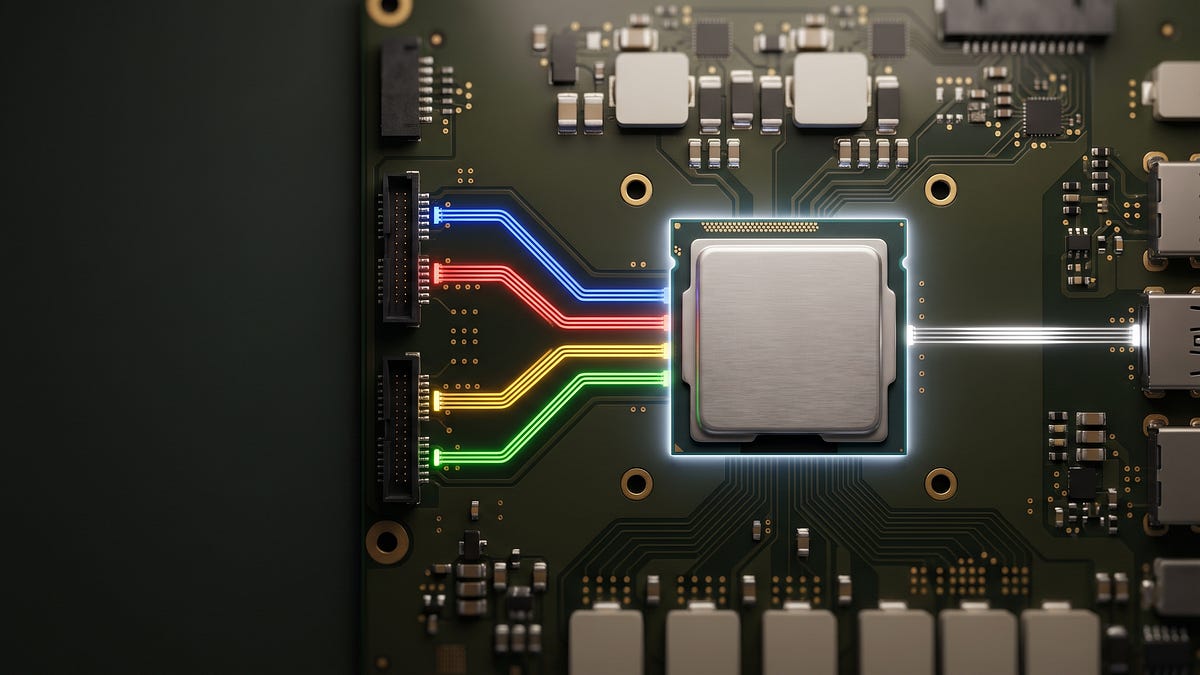
Apple Intelligence continues to refine its on-device capabilities, with its 20-billion-parameter model residing in flash storage and activating only specific experts per prompt. This architectural choice ensures Macs gain memory and battery efficiency rather than raw mathematical throughput, allowing complex models to run locally without draining resources.
Local view
Samsung Confirms Exynos 2700 for AI-Enhanced Mobiles
In South Korea, Samsung Electronics officially confirmed during its earnings call that the development and mass production of the next-generation mobile AP, Exynos 2700, is proceeding without issues. The company emphasized enhanced AI and gaming performance as key drivers for the new chip, signaling a strong focus on on-device AI capabilities for future Galaxy devices.

LG Uplus Reduces SLM Battery Consumption by 77%
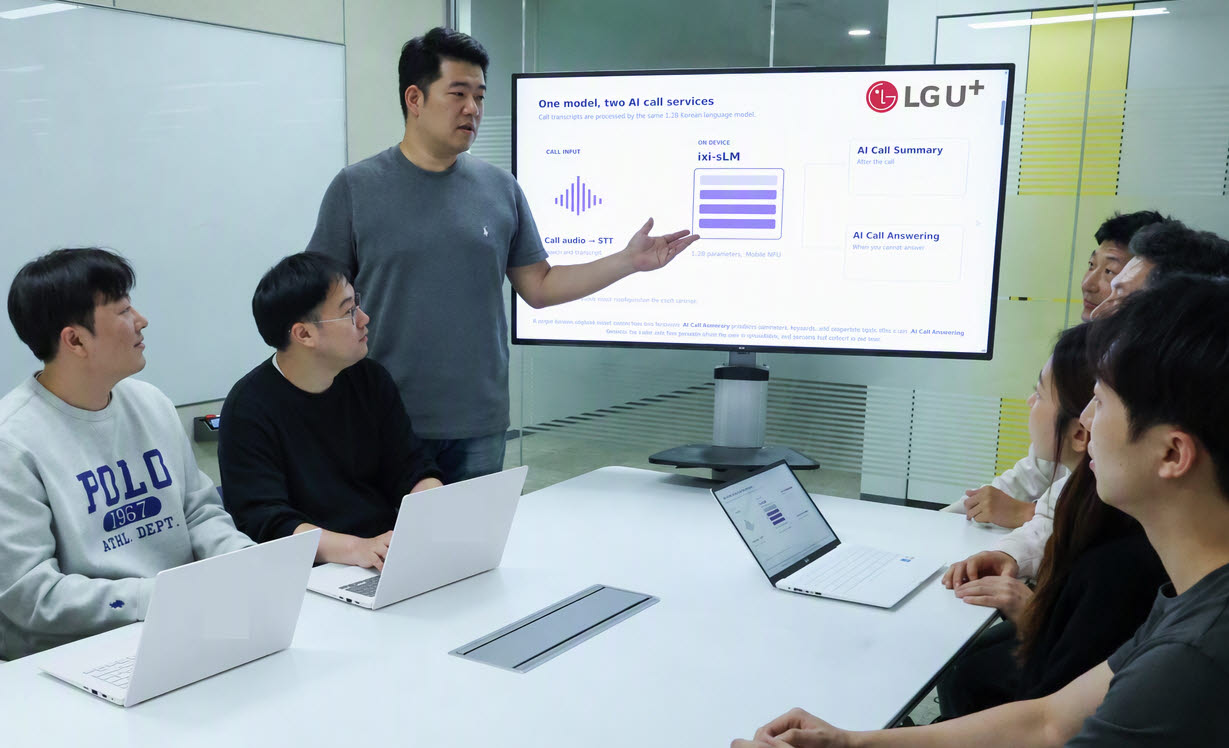
LG Uplus announced that two of its research papers on efficiently running and training small language models (SLMs) on smartphones were accepted at the NeurIPS 2026 workshop. The company reported that their new techniques reduce battery consumption by 77%, addressing one of the primary hurdles for widespread on-device AI adoption.
Context & numbers
AI Laptop Shipments Surge
Gartner forecasts that AI laptops will account for 58.7% of total laptop shipments in 2026, a significant increase from 35.7% in 2025. This growth underscores the rapid mainstreaming of NPU-equipped devices capable of running local models.

Smartphone vs. PC Local LLM Performance
Recent comparisons suggest that modern smartphones may be better optimized for running local LLMs than many existing PCs, unless the PC features very recent hardware. This shift highlights the efficiency of mobile NPUs in handling quantized small models.

On the radar
- Samsung Foundry Shift: Samsung's foundry business is rapidly shifting its center of gravity from smartphone chips to AI chips, with HPC revenue projected to exceed 50% of the total next year.
- Domestic NPU Partnerships: Korean firms Focus AI and DeepX signed a mass production agreement for domestic NPU-based AI servers, aiming to secure supply chains for on-device and edge AI infrastructure.
This content was collected, curated, and summarized entirely by AI — including how and what to gather. It may contain inaccuracies. Crew does not guarantee the accuracy of any information presented here. Always verify facts on your own before acting on them. Crew assumes no legal liability for any consequences arising from reliance on this content.
Powered by
