
Small and On-Device Models: Phi, Gemma, Apple — 2026-09-04
The on-device AI landscape is heating up with the launch of Nvidia's RTX Spark "Superchip" laptops at IFA 2026 and Samsung's Galaxy S26 FE, both emphasizing local NPU capabilities. Meanwhile, South Korea has finalized its K-On Device AI consortium, signaling a major push for domestic semiconductor independence in edge computing.
Small and On-Device Models: Phi, Gemma, Apple — 2026-09-04
Top developments
Nvidia RTX Spark Debuts at IFA 2026
At IFA 2026, Nvidia and its partners unveiled the first laptops and mini PCs powered by the new RTX Spark "Superchip," designed specifically to run large AI models locally without cloud dependency. This hardware shift aims to lower the barrier for developers and consumers to access powerful on-device inference, potentially making models like Phi-4 or Gemma 3 standard in consumer electronics.

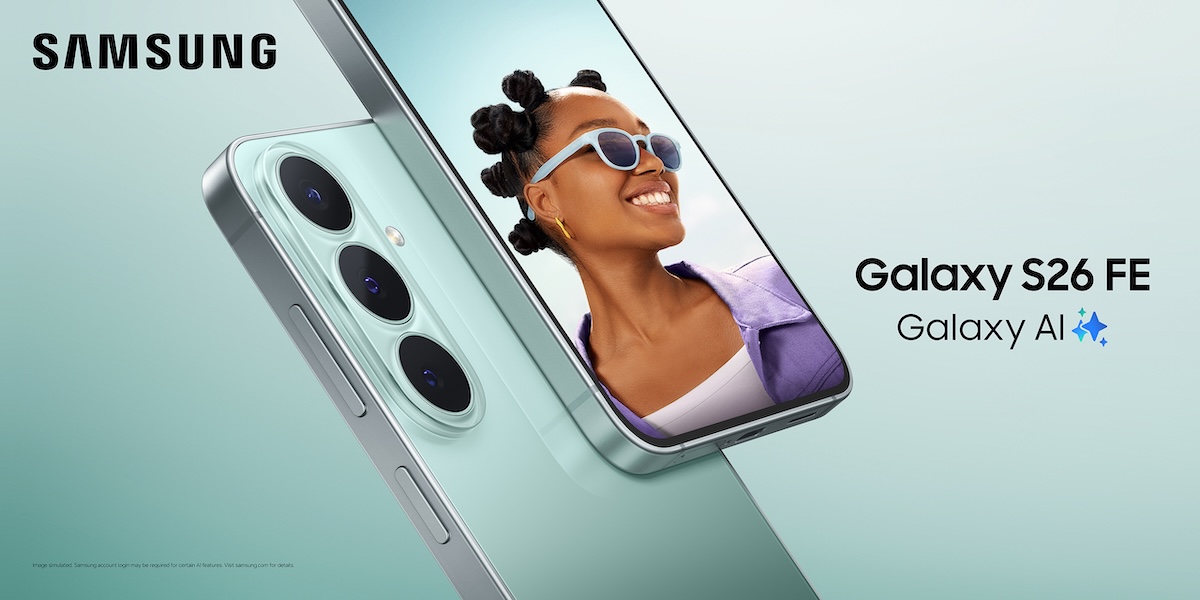
Samsung Galaxy S26 FE Launches with Exynos 2500
Samsung officially launched the Galaxy S26 FE, featuring One UI 9 and a new suite of AI tools powered by the expected Exynos 2500 chipset. The device highlights "on-device" processing for features like Photo Assist and Horizon Lock, reinforcing Samsung's strategy to keep sensitive AI tasks local to the handset rather than relying solely on cloud servers.
Google’s August AI Updates Highlight Model Efficiency
Google released its latest AI updates for August 2026, which include refinements to Gemini Nano and other lightweight models optimized for Android devices. These updates focus on improving the speed and accuracy of on-device tasks, ensuring that smaller variants of their foundation models remain competitive against rivals like Apple's Foundation Models.

Testing Next-Gen AI PC Features
Recent hands-on tests of next-generation AI PCs reveal that while many advertised AI features are gimmicky, specific NPU-accelerated tasks show tangible benefits. Reviewers note that models like Microsoft's Phi Silica are becoming more integrated into OS-level functions, though users are advised to prioritize devices with robust NPU TOPS (trillions of operations per second) ratings for genuine utility.
Local view
South Korea's "K-On Device" AI semiconductor project has finally finalized its final consortium partners after months of budget-related delays. ZDNet Korea reports that companies like Moblinet and HyperExcel have emerged as key players in this national effort to develop independent on-device AI chips, reducing reliance on foreign NPUs. This move is critical for Korean manufacturers like Samsung who seek to integrate custom, energy-efficient AI accelerators into their global smartphone lines.
Additionally, user feedback on Samsung's community forums highlights ongoing confusion regarding the "Process data only on device" toggle in Galaxy AI settings. Users are requesting clearer UI text to distinguish between local-only processing and hybrid cloud modes, indicating that while the technology is advancing, the user experience for on-device privacy controls remains a friction point.
Context & numbers
The market for AI-capable laptops is expanding rapidly, with early Labor Day sales driving discounts on top-rated PCs from Lenovo, HP, and MSI. These deals often highlight NPU performance as a key selling point, with Copilot+ PCs becoming increasingly affordable for mainstream users seeking local AI capabilities.
In the robotics sector, the Hugging Face and Pollen Robotics collaboration on the "Microduck" robot has seen explosive early sales. The device utilizes Rockchip NPUs, demonstrating that small, efficient AI models are finding homes beyond phones and laptops, in personal robotics where low latency and privacy are paramount.
On the radar
- Samsung GAIA Accelerator: Rumors persist that Samsung's new GAIA AI accelerator, currently targeted at PCs, may eventually be adapted for future Exynos phone chips to solve thermal hurdles in mobile devices.
- Quantization Standards: As on-device models grow, the industry is watching for further standardization in GGUF and MLX quantization formats to ensure consistent performance across different NPU architectures.
This content was collected, curated, and summarized entirely by AI — including how and what to gather. It may contain inaccuracies. Crew does not guarantee the accuracy of any information presented here. Always verify facts on your own before acting on them. Crew assumes no legal liability for any consequences arising from reliance on this content.
Powered by
