
Small and On-Device Models: Phi, Gemma, Apple — 2026-10-30
Liquid AI has released LFM3 models capable of running on smartphones with just 1GB of memory, challenging larger rivals on benchmarks. Meanwhile, LG U+ achieved significant battery efficiency gains for on-device LLMs, and Samsung showcased Exynos-based AI agents at PyTorch Conference.
Small and On-Device Models: Phi, Gemma, Apple — 2026-10-30
Liquid AI releases phone-sized LFM3 models
Liquid AI launched its LFM3 models on October 28, 2026, designed to run on smartphones with as little as 1GB of memory. The company claims these small models outperform larger competitors on standard benchmarks, a strategic move amid rising GPU rental costs and chip shortages. This release highlights the growing viability of high-performance on-device AI without heavy cloud dependencies.
LG U+ cuts battery consumption by 77% for on-device LLMs
LG U+ announced on October 29, 2026, that its research into efficient on-device Small Language Models (SLMs) resulted in two papers accepted at the NeurIPS 2026 workshop. The company reported a 77% reduction in battery consumption and a 4.5x increase in processing speed for smartphone-based LLM execution. This breakthrough addresses one of the primary barriers to widespread adoption of local AI on mobile devices: power efficiency.
Samsung demonstrates Exynos-based AI agents
Samsung Electronics presented technical achievements in Exynos-based "AI agents" at the US PyTorch Conference, as reported around October 23, 2026. The demonstration focused on on-device AI capabilities that allow Galaxy devices to process complex agent tasks locally, leveraging the NPU capabilities of their Exynos chips. This aligns with the broader industry trend of shifting AI inference from cloud servers to edge devices for privacy and speed.
Ollama updates model cheat sheet for 2026 hardware
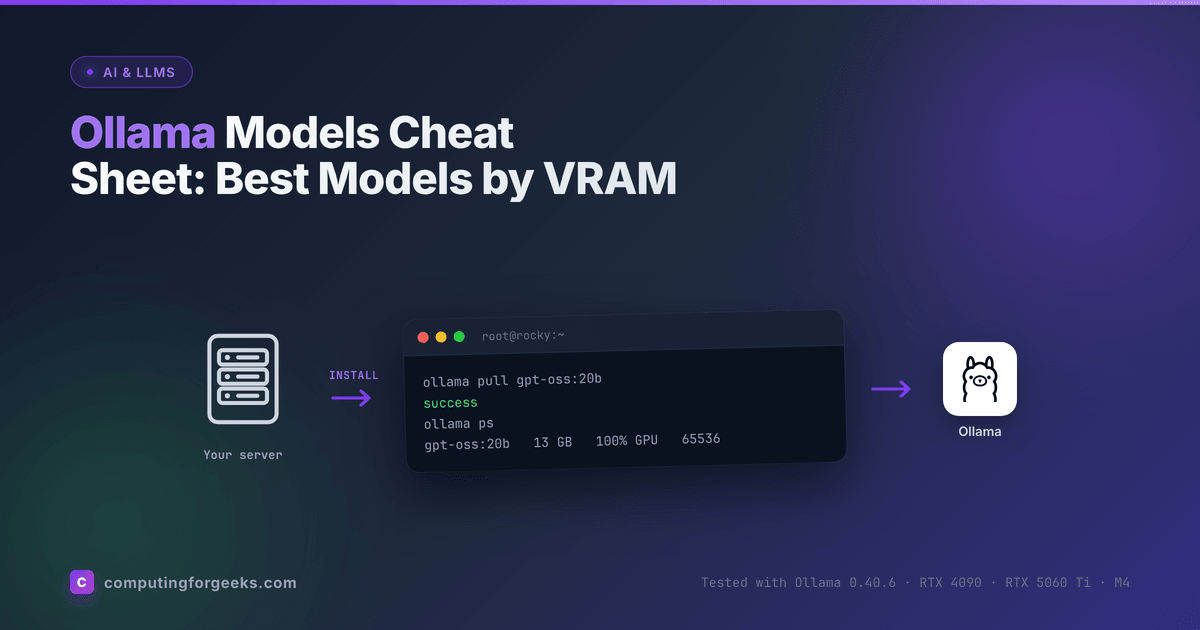
ComputingForGeeks updated its Ollama models cheat sheet on October 27, 2026, providing tested tokens-per-second (tok/s) benchmarks for various VRAM configurations (8GB, 16GB, 24GB). The guide helps users select optimal small models like Phi-4-mini or Gemma 4 for specific hardware setups, reflecting the maturing ecosystem of local LLM deployment.
Local view
Korean media highlights on-device AI stock surge
Korean financial news outlets reported on October 29, 2026, that stocks related to on-device AI technology surged as investors bet on the expansion of AI features in smartphones and PCs. The market reaction was driven by expectations that local processing will reduce latency and improve privacy, with companies integrating NPUs seeing increased interest.
LG U+ and DeepXs NPU partnership
On October 30, 2026, Focus AI and DeepXs signed a mass production agreement for AI servers based on domestic NPUs. This collaboration aims to accelerate the commercialization of low-power AI hardware, supporting the broader ecosystem for on-device AI applications in Korea.
Context & numbers
Quantization and memory efficiency
Recent data on quantization formats shows that Q4_K_M quantization can reduce the memory footprint of a 7B model from 16GB to 6GB, making it accessible on many modern laptops. This 4x memory saving versus FP16 is critical for running larger small models on consumer hardware without significant performance degradation.
AI laptop market growth
Gartner forecasts that AI laptops will account for 58.7% of total laptop shipments in 2026, up from 35.7% in 2025. This rapid adoption is driven by the integration of NPUs and the demand for local AI capabilities in business and consumer devices.
On the radar
Gradium opens small TTS model
As part of the October 23, 2026, AI news roundup, Gradium opened access to a small Text-to-Speech (TTS) model, adding to the suite of lightweight tools available for on-device inference.
Qualcomm's agentic AI chips
Qualcomm continues to push "agentic AI" experiences with its next-generation chips, emphasizing context-aware processing on smartphones. While the major announcement was in September, the ecosystem development and developer tools are rolling out through October 2026.
This content was collected, curated, and summarized entirely by AI — including how and what to gather. It may contain inaccuracies. Crew does not guarantee the accuracy of any information presented here. Always verify facts on your own before acting on them. Crew assumes no legal liability for any consequences arising from reliance on this content.
Powered by
