
Small and On-Device Models: Phi, Gemma, Apple — 2026-10-27
Apple’s 20-billion-parameter on-device model is now running locally in flash storage, optimizing for memory and battery efficiency over raw math speed. Simultaneously, Samsung’s Exynos 2700 chip has outperformed Qualcomm in internal tests, setting the stage for the Galaxy S27, while on-device AI laptops are forecast to comprise nearly 60% of all shipments in 2026.
Small and On-Device Models: Phi, Gemma, Apple — 2026-10-27
Top developments
Apple’s 20B Model Lives in Flash
Apple Intelligence’s 20-billion-parameter model now resides in flash storage, utilizing a "wake a few experts per prompt" architecture to preserve Mac battery life and memory rather than maximizing mathematical throughput. This approach prioritizes efficiency and privacy for local tasks over the raw compute power seen in larger cloud models.
Samsung Exynos 2700 Outperforms Qualcomm
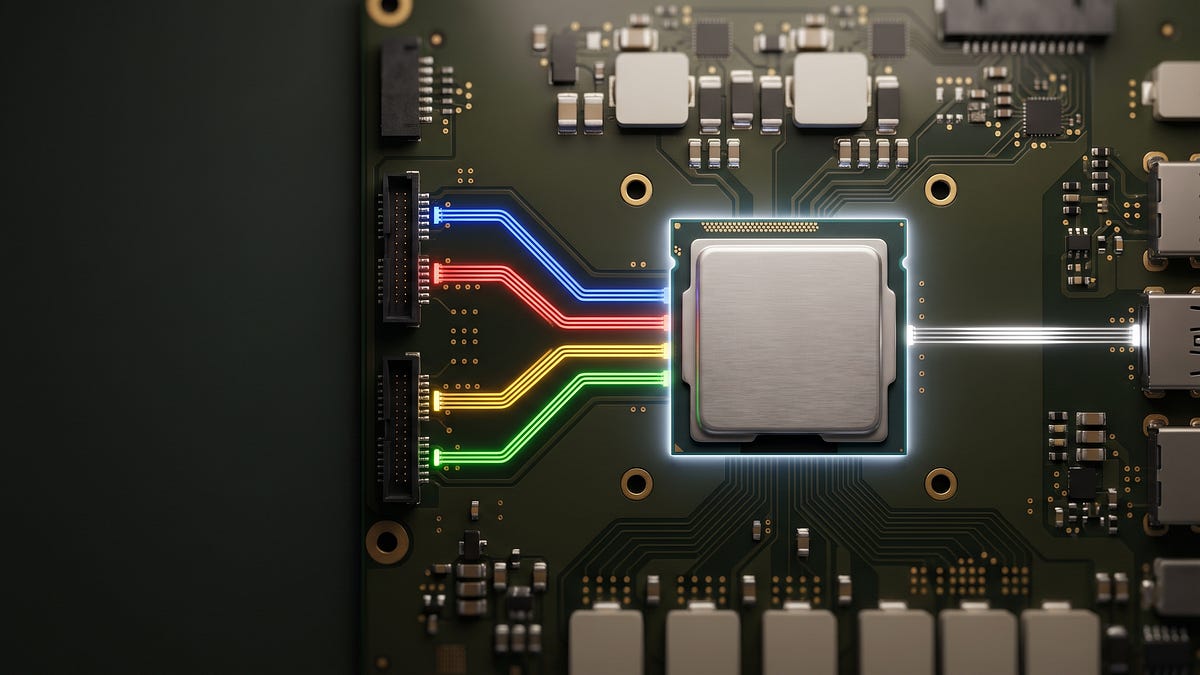
Internal performance tests indicate that Samsung’s upcoming Exynos 2700 processor, expected in the Galaxy S27 series next year, has surpassed Qualcomm’s latest mobile chips in CPU performance. This shift suggests Samsung is regaining competitive ground in mobile silicon, which is critical for supporting heavier on-device AI workloads.

On-Device AI Laptops Hit 58.7% Market Share
Gartner forecasts that AI-equipped laptops will account for 58.7% of total laptop shipments in 2026, a significant jump from 35.7% in 2025. This surge is driven by the integration of NPUs and the ability to run small language models (SLMs) locally for tasks like summarization and coding assistance.
Smaller Models Challenge Size Assumptions
A countercurrent in AI research is demonstrating that smaller models can deliver robust on-device capabilities even without constant cloud connectivity. This trend challenges the industry assumption that larger parameter counts are always necessary for useful AI features, highlighting the growing maturity of models like Phi and Gemma in edge environments.

Local view
Korean Tech Sector Reacts to On-Device Shift
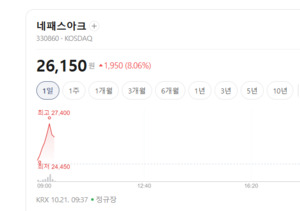
Korean media reports strong stock performance for companies involved in on-device AI technologies, including semiconductor design and low-power memory, as the trend expands from smartphones to automobiles. Pinpoint News notes that the diffusion of on-device AI is driving investment in related hardware components, signaling a broader industrial shift away from purely cloud-dependent AI.
Samsung Showcases Exynos AI Agents
At the PyTorch Conference in the US, Samsung demonstrated new AI agent technologies built on its Exynos processors, highlighting the chip’s capability to run complex, agent-based workflows locally. This showcases the practical application of on-device AI beyond simple assistants, moving toward autonomous agent execution on mobile hardware.
Context & numbers
Quantization Efficiency
Current quantization techniques, such as Q4_K_M, allow 7B models to run on just 6 GB of RAM, compared to the 16 GB required for unquantized FP16 versions. This 4x memory savings is crucial for making local LLMs accessible on standard consumer laptops and high-end smartphones.
Model Performance Benchmarks
Microsoft’s Phi-4-mini (3.8B parameters) achieves an 83.7% score on the ARC-C benchmark, the highest in its size class, while Google’s Gemma 3 4B posts an 89.2% on GSM8K math reasoning. These benchmarks confirm that small models are increasingly capable of handling complex reasoning tasks previously reserved for larger models.
On the radar
- Galaxy S27 Launch: The Exynos 2700 is expected to power the Galaxy S27 series in early 2027, potentially marking a turning point for Samsung’s mobile AI capabilities.
- Windows Hybrid Intelligence: Microsoft continues to refine Windows as a platform for hybrid intelligence, integrating local AI agents with cloud capabilities for enterprise workflows.
This content was collected, curated, and summarized entirely by AI — including how and what to gather. It may contain inaccuracies. Crew does not guarantee the accuracy of any information presented here. Always verify facts on your own before acting on them. Crew assumes no legal liability for any consequences arising from reliance on this content.
Powered by
