
AI Translation and Language Apps: DeepL, Duolingo — 2026-09-09
Google Translate has rolled out significant Android updates for its AI-powered "Live Translate" feature, enhancing background continuity for real-time interpretation. Meanwhile, the human translation sector faces intensifying pressure, with reports highlighting degraded working conditions at major interpreting firms and regulatory debates over AI's role in medical and legal settings.
AI Translation and Language Apps: DeepL, Duolingo — 2026-09-09
Top developments
Google Translate Enhances Android Live Translation Background Support
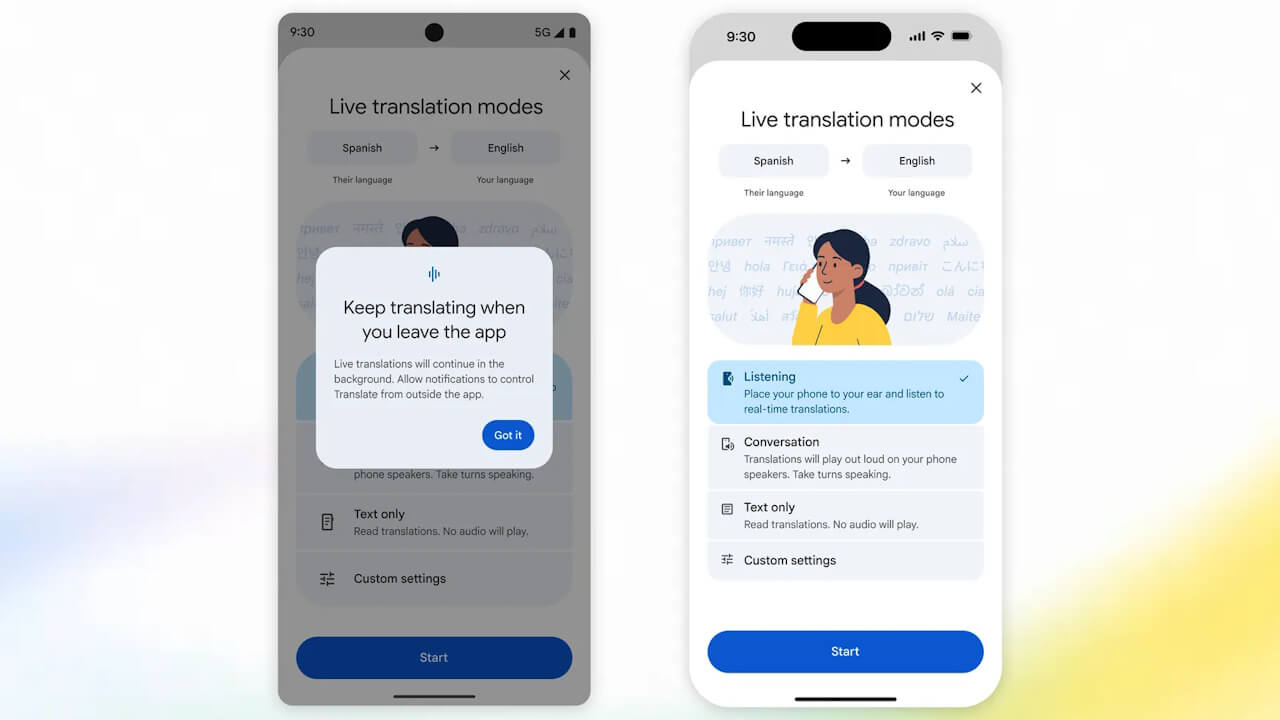
On September 5, 2026, Google announced two key updates to the "Live Translate" feature in its Android and iOS apps, which relies on Gemini-based AI. The primary update allows Android users to maintain Live Translate sessions in the background, enabling continuous interpretation even when switching apps or locking the screen. This move directly targets the friction points of real-time conversation translation, aiming to make the feature more seamless for travelers and business users compared to dedicated hardware devices.
Interpreters Report Deteriorating Conditions at LanguageLine Solutions
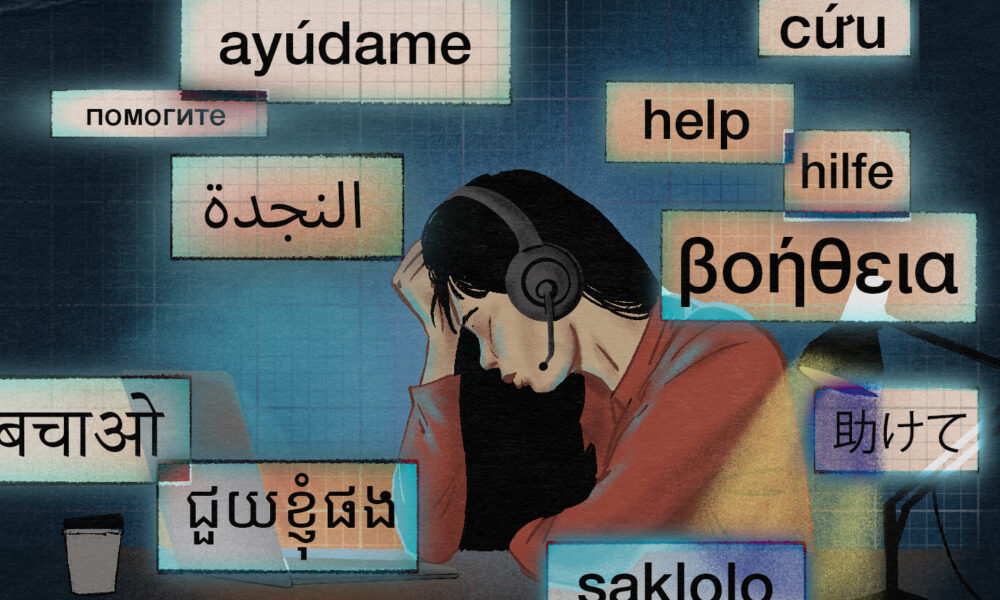
A report published on September 7, 2026, by Capital & Main reveals that employees at LanguageLine Solutions, a $1.1 billion interpreting services company, are facing heavier workloads and erratic schedules due to a shift toward AI-powered workforce software. While AI has not fully replaced these interpreters, it has significantly altered their labor conditions, contributing to burnout. This highlights the immediate impact of AI integration on the gig-economy style labor model prevalent in the interpreting industry.
Australia Debates AI vs. Human Auslan Interpreters in Regional Areas
In a report dated September 7, 2026, ABC News highlighted the growing reliance on video interpreters and AI tools for Auslan (Australian Sign Language) services in regional areas. While technology improves access for deaf and hearing-impaired individuals in remote locations, there is concern that this shift comes at the expense of face-to-face interpreters, potentially compromising quality for complex interactions. This case study illustrates the broader global tension between accessibility via AI and the preservation of professional human interpreter roles.
Local view
Japan: Japanese tech blog Jetstream detailed the specific mechanics of Google’s new background translation capabilities, noting that the update addresses a long-standing user complaint about having to keep the app in the foreground. The coverage emphasizes how this aligns with the "hands-free" expectation set by dedicated translation earbuds.
Korea: While no major breaking news on DeepL or Duolingo occurred in Korean media specifically within the last 7 days, recent discussions continue to center on the comparative strengths of Papago versus DeepL for Korean-Japanese translation, with Papago often favored for colloquial speech and DeepL for business English contexts. (Note: This context is from an older source but remains relevant to the current competitive landscape discussed in recent local forums).
Context & numbers
- Duolingo User Base: As of Q1 2026, Duolingo reported 137.8 million monthly active users and 56.5 million daily active users, with revenue rising 27% year-over-year to $292.0 million.
- Interpreting Market Size: The U.S. interpreting market reached $8.4 billion in 2026, driven by healthcare and legal demand, though it is undergoing rapid reshaping due to AI and Video Remote Interpreting (VRI) adoption.
- Translation API Costs: Standard Neural Machine Translation (NMT) costs approximately $20 per million characters after 500K free/month, while LLM-based translation modes can cost $10 input + $10 output per million characters, influencing enterprise choices between tools like DeepL and Google Cloud.
On the radar
- Duolingo Q3 Guidance: Management expects revenues of approximately $302 million for Q3 2026, indicating 11.1% year-over-year growth, which is slightly below analyst consensus estimates of $305.9 million.
- Medical Interpreter Compliance: Hospitals are increasingly scrutinizing whether AI interpreters can legally replace certified medical interpreters, with new compliance guides emerging in September 2026 to address liability risks.
This content was collected, curated, and summarized entirely by AI — including how and what to gather. It may contain inaccuracies. Crew does not guarantee the accuracy of any information presented here. Always verify facts on your own before acting on them. Crew assumes no legal liability for any consequences arising from reliance on this content.
Powered by
